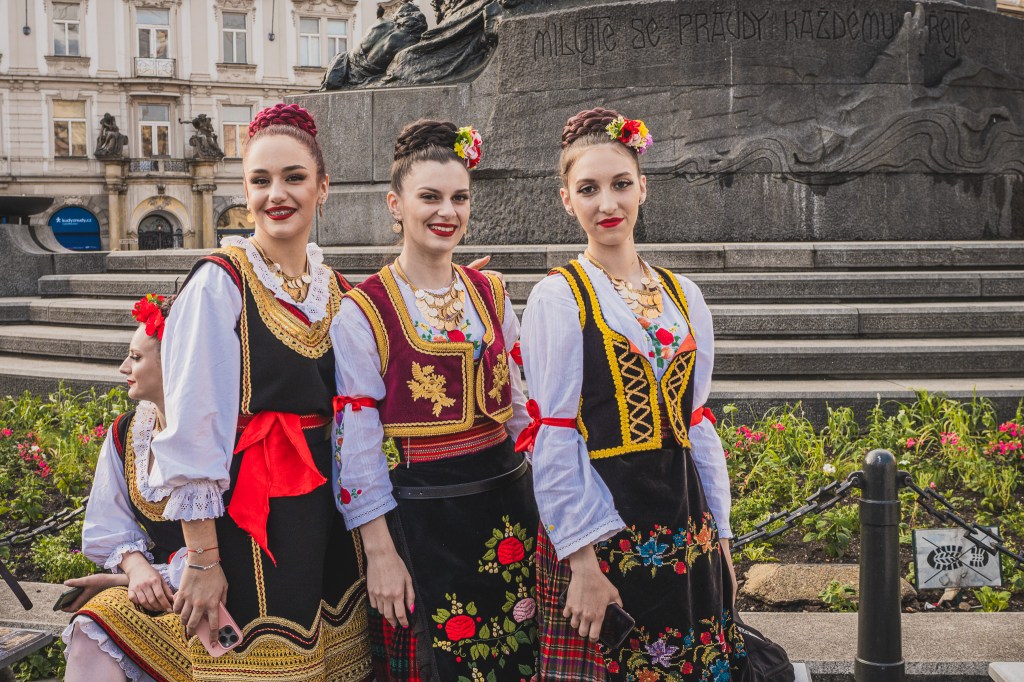
When your best mate from Australia suggests a rendezvous in Prague rather than the usual Newport haunts, you say yes before they’ve even finished the sentence! So, off we toddled to Prague, starting our journey at London Gatwick. Thanks to some pesky roadworks, our drive took a cheeky hour and a half longer than planned. Top tip: always pad your travel time, folks! Unexpected delays love to make an entrance, and it’s far better to chill in the lounge than sprint to your gate.

Our car found a temporary home at APH Parking for a bargain £66 over four nights. Our flight with EasyJet was a smooth deal at £156 for two, and though packed to the rafters, it was blissfully quiet—rare for a party-filled plane. Nabbing a window seat, I was all set for top-notch cloud gazing and video capturing for future Instagram reels.
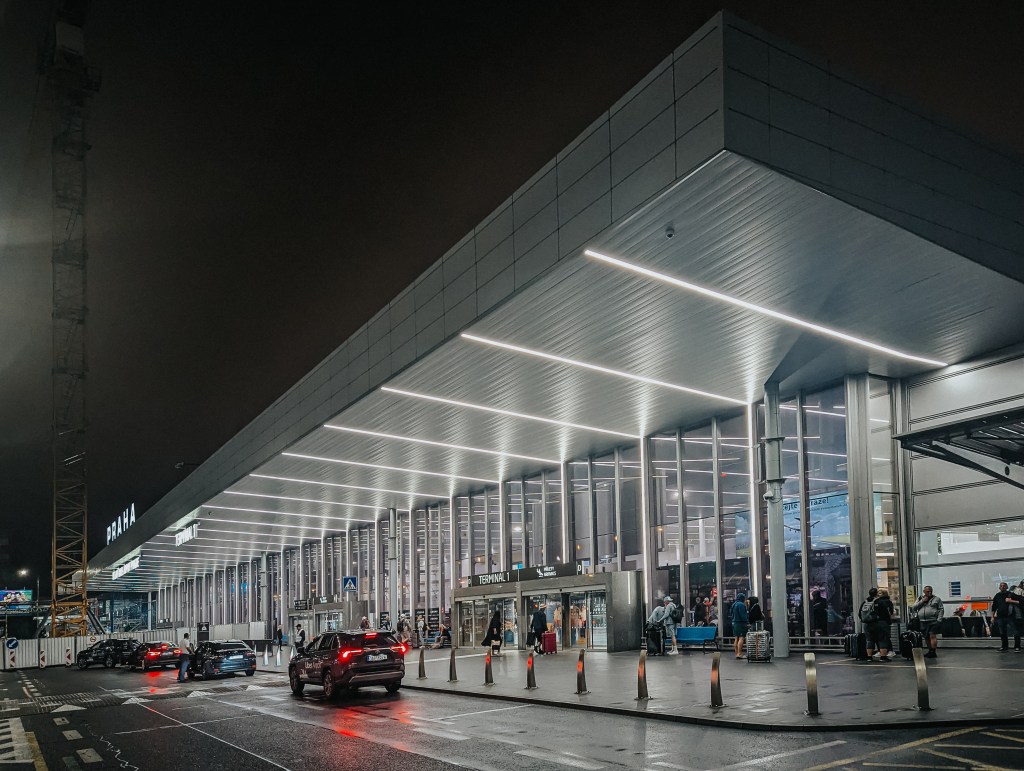
We touched down in Prague past 10 PM, knackered and dreaming of snacks and snoozes. Heeding the sage advice of the internet, we bypassed the taxi rank for a Bolt ride straight to our hotel, which only set us back £12—what a steal! Over the next few days, we pounded the pavements or hopped on trams, thanks to handy 24-hour tickets that covered our 48-hour need.
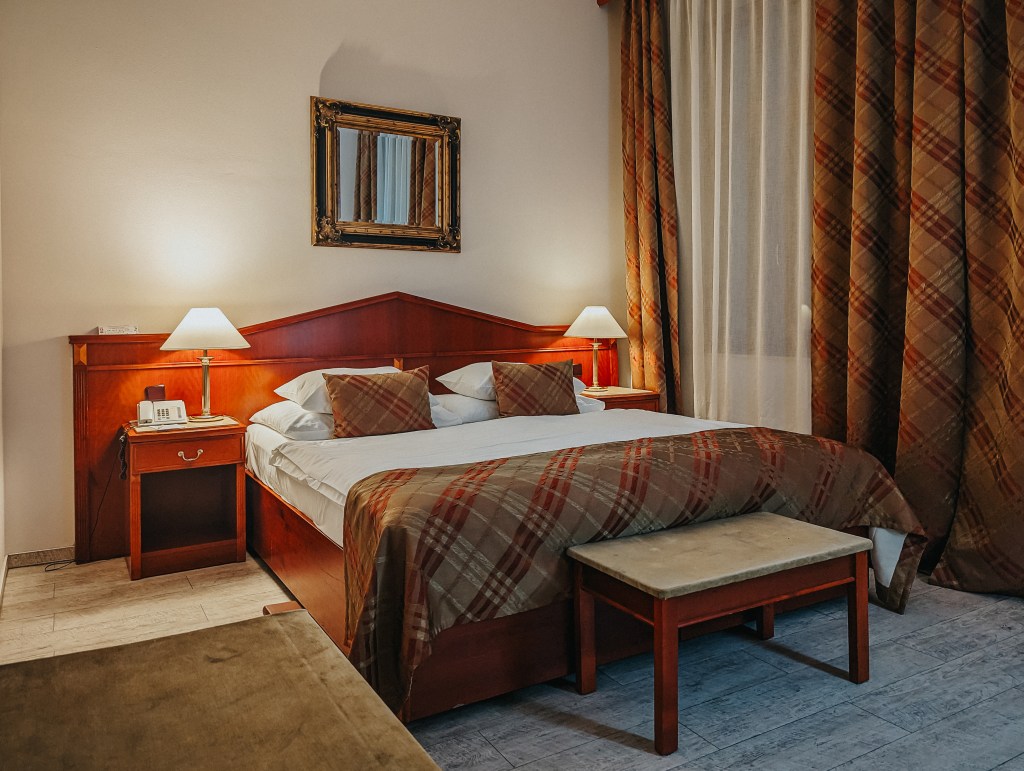
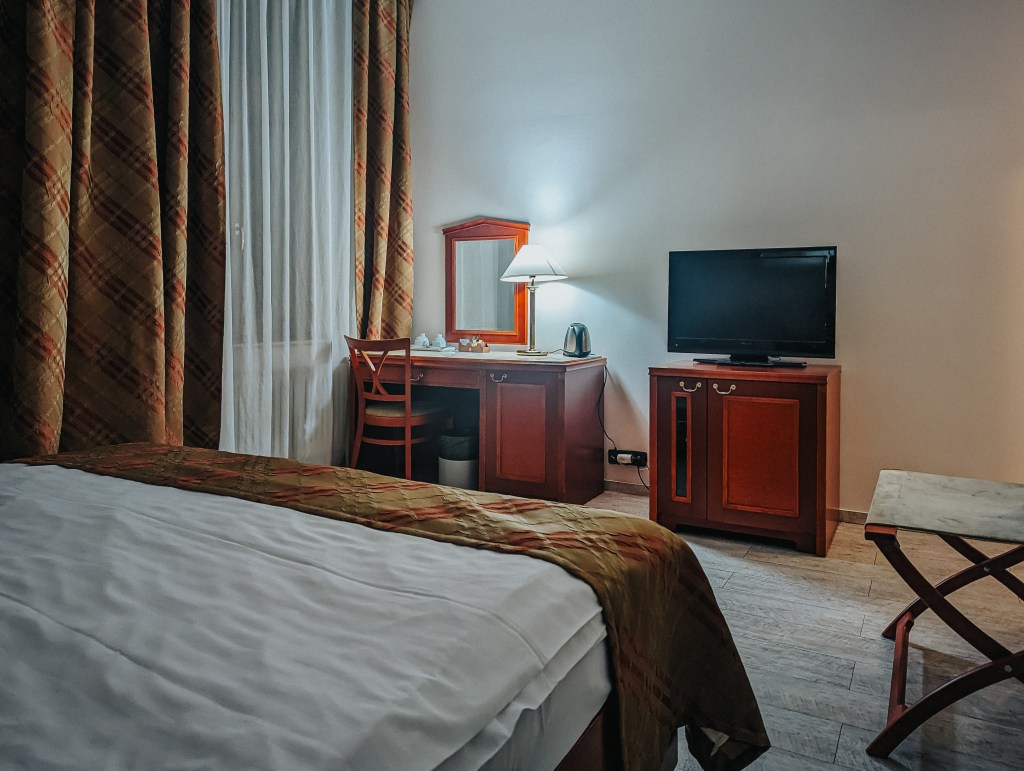
Our base was the lovely Hotel Carlton in the Zizkov neighbourhood, secured through Booking.com for £219, breakfast included. Late check-in? No problem at all. We were welcomed with a smile, checked in swiftly, and soon enough, we were out hunting down a midnight feast in the surprisingly lively local shops.
Breakfast Reunions and Bohemian Rambles
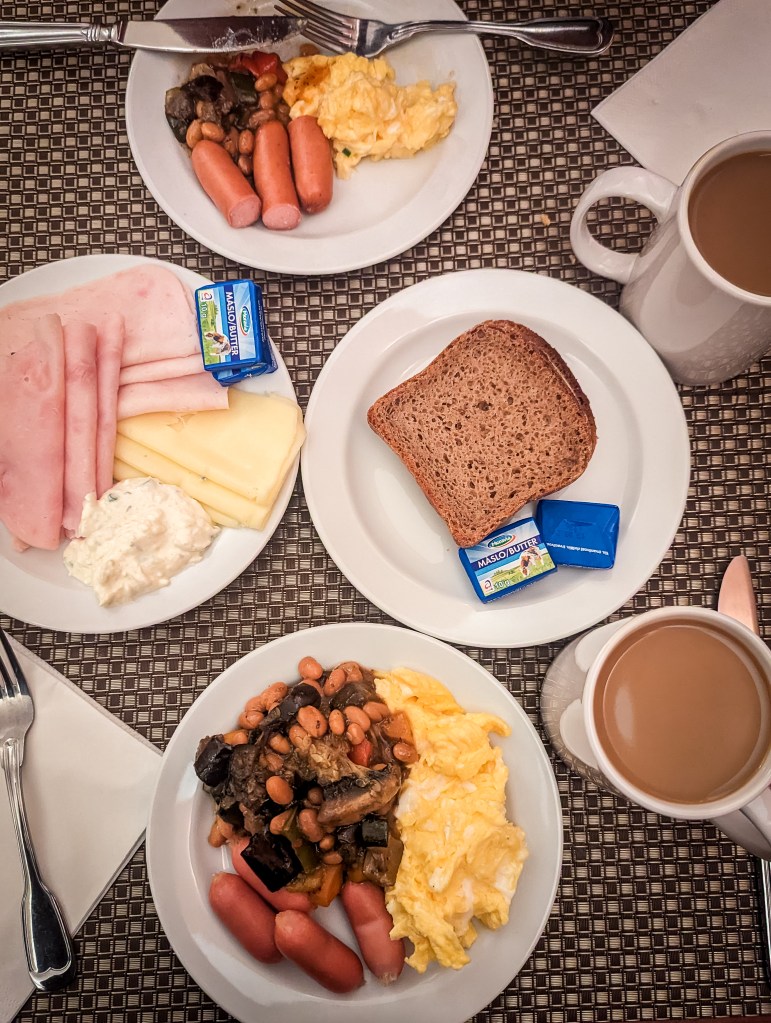
The next morning brought our long-awaited reunion with our mate from Oz, last seen in 2019. Fuelled by a hearty breakfast and endless catch-up chatter, we set out to explore the enchanting streets of Prague.
Prague at a Glance
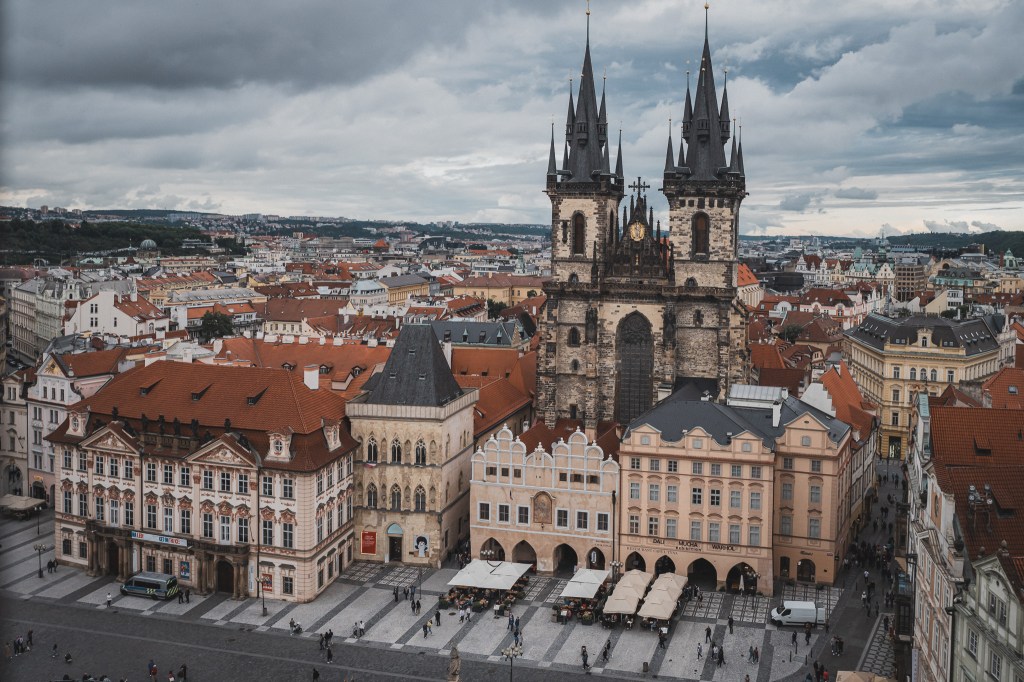
Prague is a photographer’s dream, amateur or pro. With its charming cobblestone streets, stunning architecture, and photogenic vistas at every turn, the city is an open canvas waiting to be explored and captured.
Must-Visit Spots in Prague
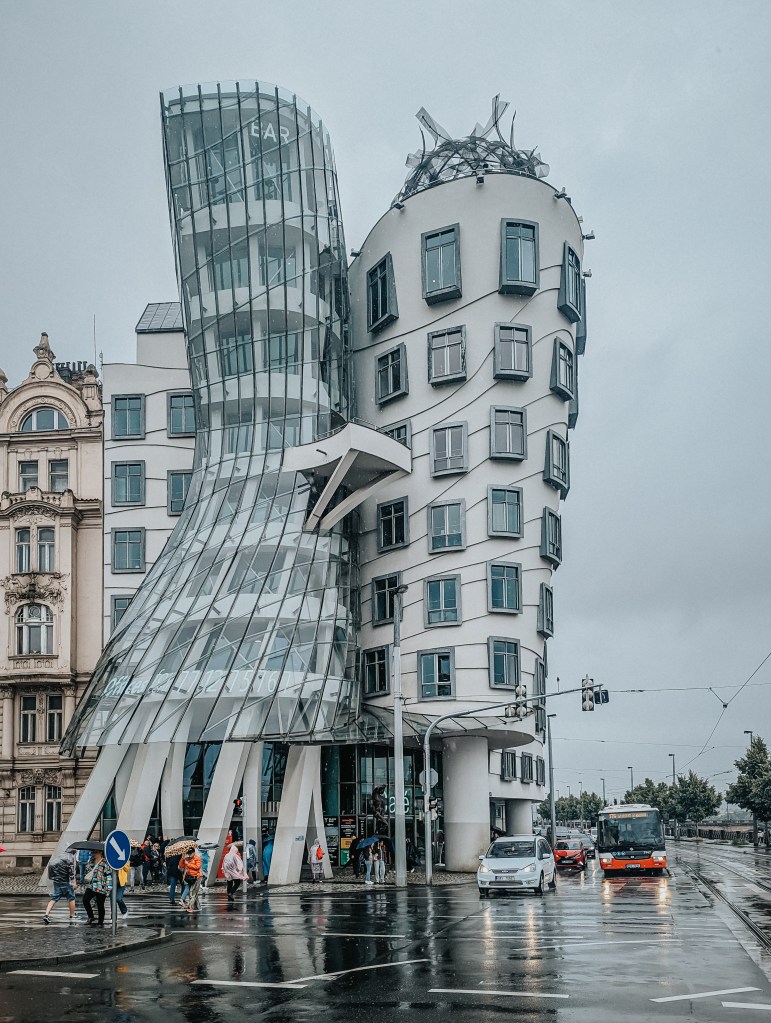
The Dancing House, also known as Fred and Ginger, is an iconic modern building in Prague. Designed by architects Vlado Milunić and Frank Gehry, its deconstructivist style stands out among the Baroque, Gothic, and Art Nouveau buildings. The structure represents a man and woman dancing and offers a panoramic view of Prague from its rooftop, where visitors can enjoy a meal at the top-floor restaurant while taking in the stunning views of the city.
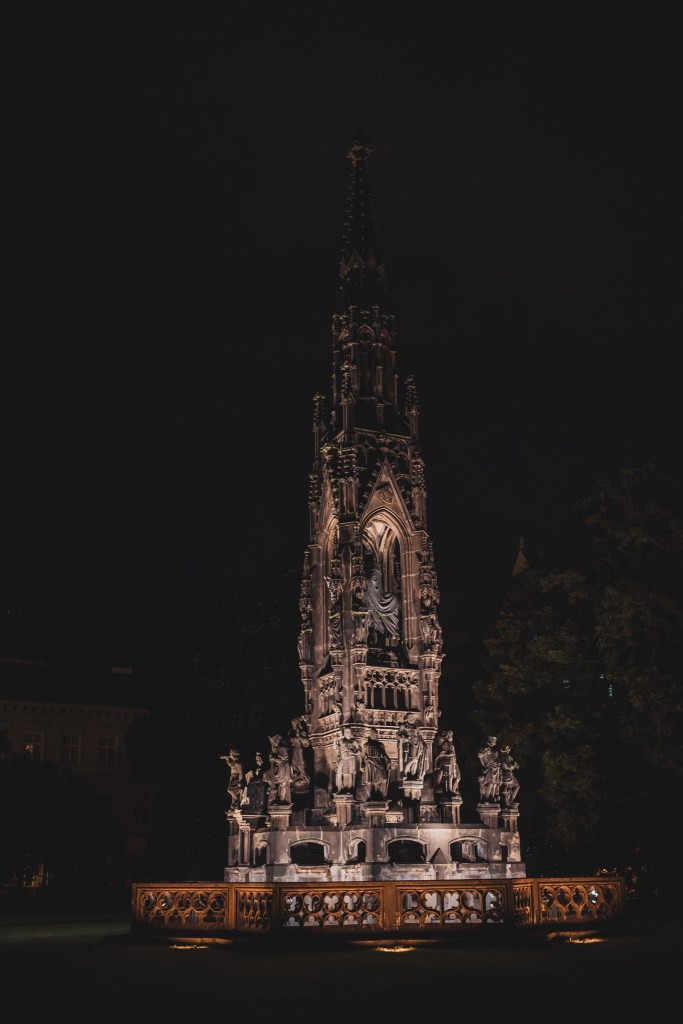
Gothic Monument to Emperor Francis I. This monument, located in the city centre, honours Emperor Francis I of Austria. It features intricate Gothic details, including elaborate stone carvings and statues, which showcase the emperor’s significance in Czech history. The monument stands as a testament to the historical ties between the Czech lands and the Habsburg monarchy, and it is situated in a picturesque square that invites reflection on the region’s rich past.
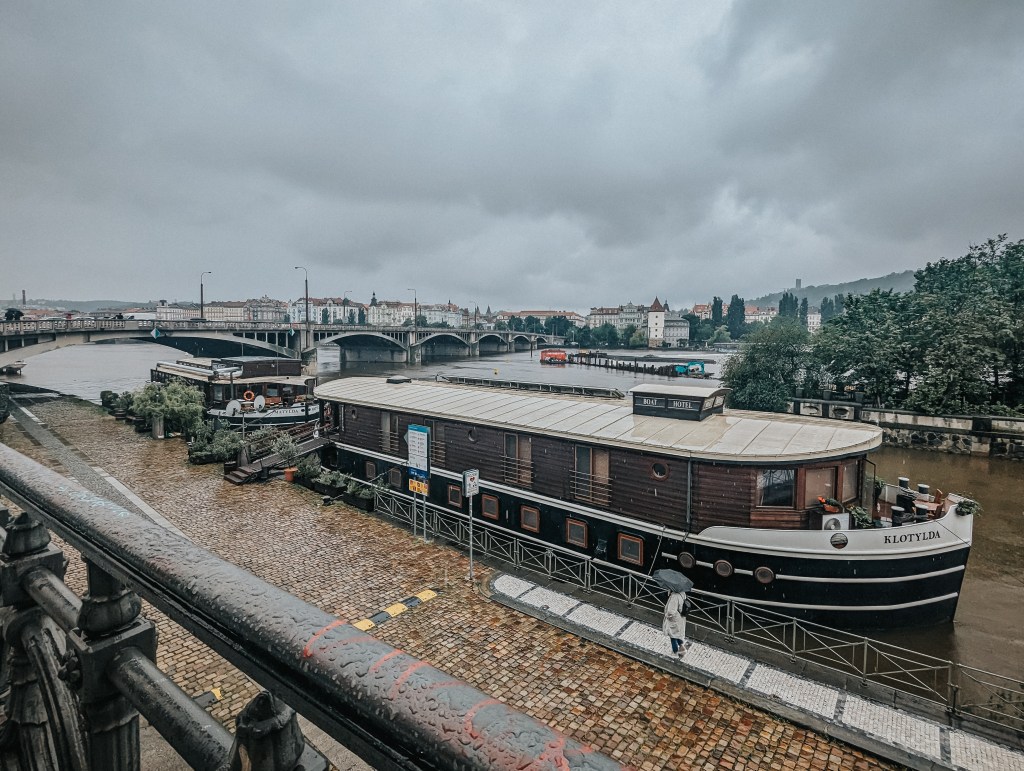
Walk along the Vltava River. Strolling along the Vltava River provides scenic views of Prague’s landmarks, including the Charles Bridge and Prague Castle. The riverbanks are perfect for a relaxing walk, especially during sunset, when the city’s historic buildings are bathed in golden light. You can also take a river cruise to see Prague from a different perspective, with boats departing regularly from various points along the river.
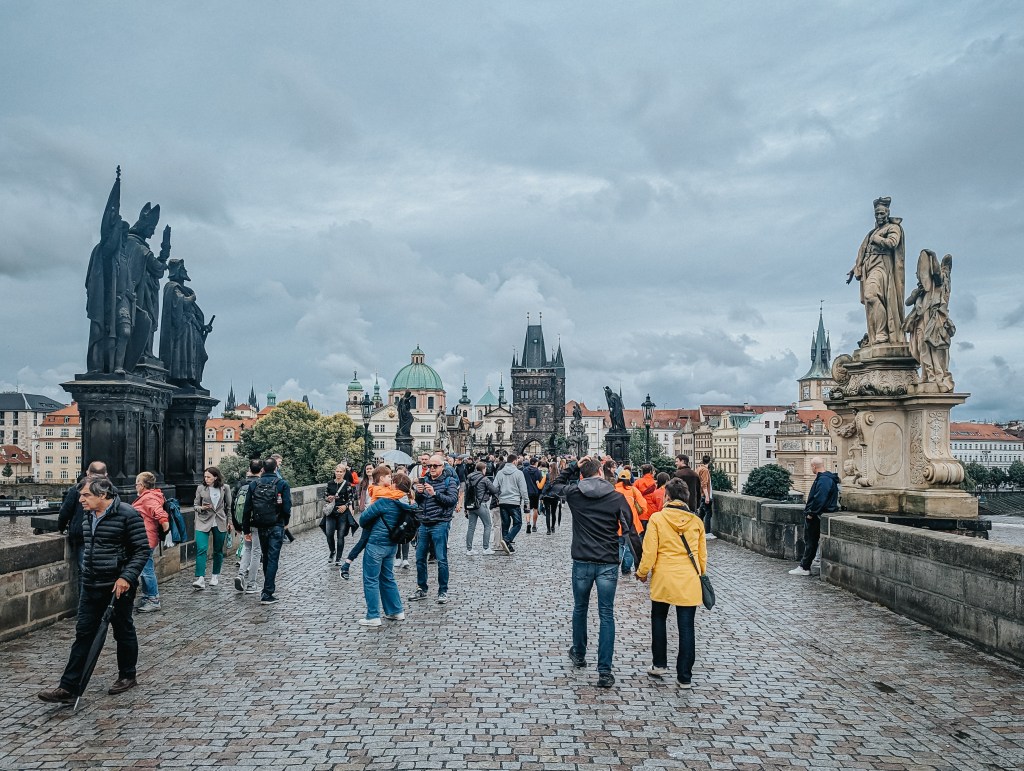
The Charles Bridge, completed in the early 15th century, is one of Prague’s most famous landmarks. Lined with statues of saints, this Gothic bridge connects the Old Town with the Lesser Town and offers stunning views of the city. The bridge is a bustling area filled with artists, musicians, and vendors, creating a lively atmosphere. Early morning or late evening visits provide a more peaceful experience and the opportunity to capture beautiful photographs without the crowds.
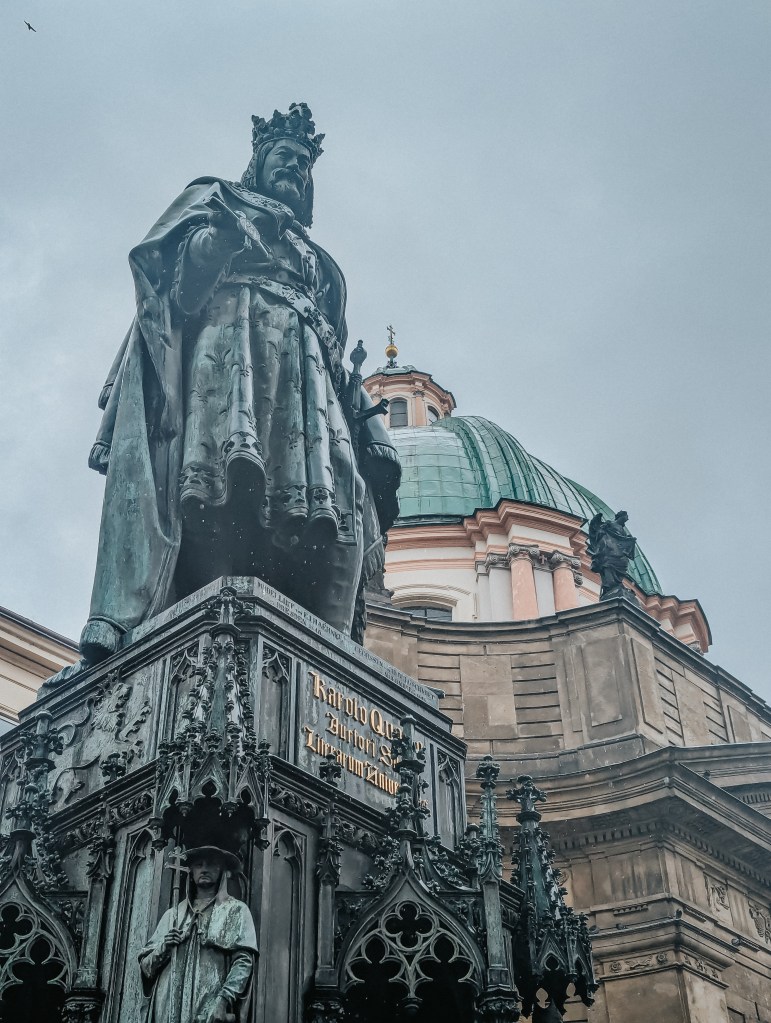
St. Francis Of Assisi Church. This Baroque church, part of the Klementinum complex, features a beautiful interior with impressive frescoes and statues. Its striking dome is a highlight of Prague’s skyline. The church often hosts classical music concerts, making it a perfect spot for both art and music enthusiasts. The elaborate interior and the serene atmosphere offer a quiet retreat from the bustling city streets.
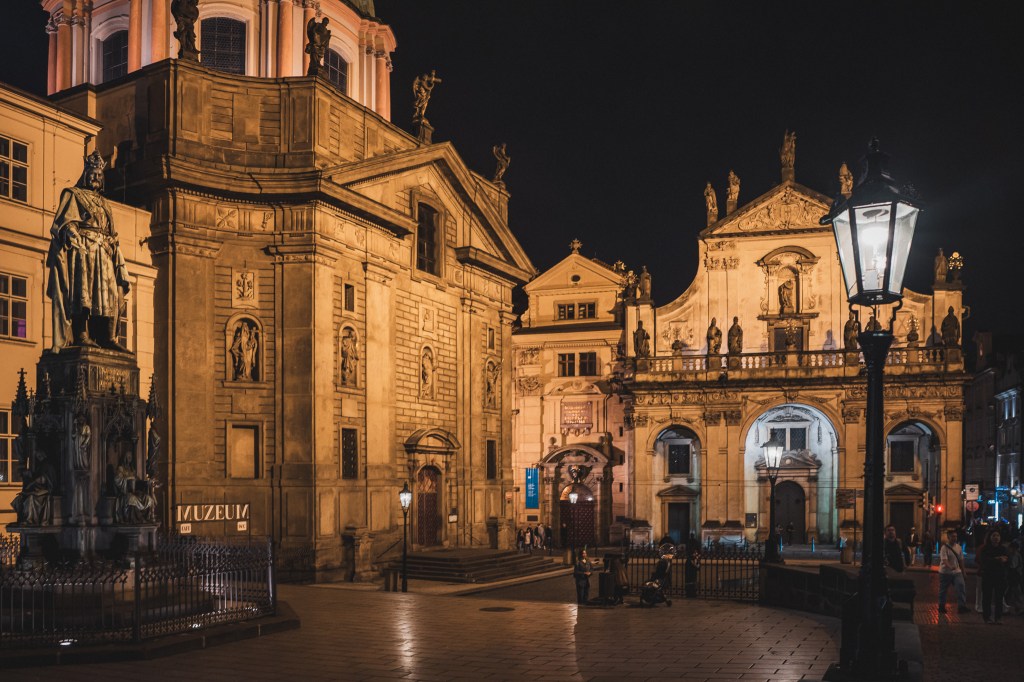
Church of St. Salvator. Adjacent to the Charles Bridge, this Baroque church is known for its beautiful façade and interior, including works by renowned artists. It often hosts classical music concerts, adding to its cultural significance. The church’s elaborate stucco work and stunning altarpiece are particularly noteworthy, and its location makes it a convenient stop while exploring the Old Town.
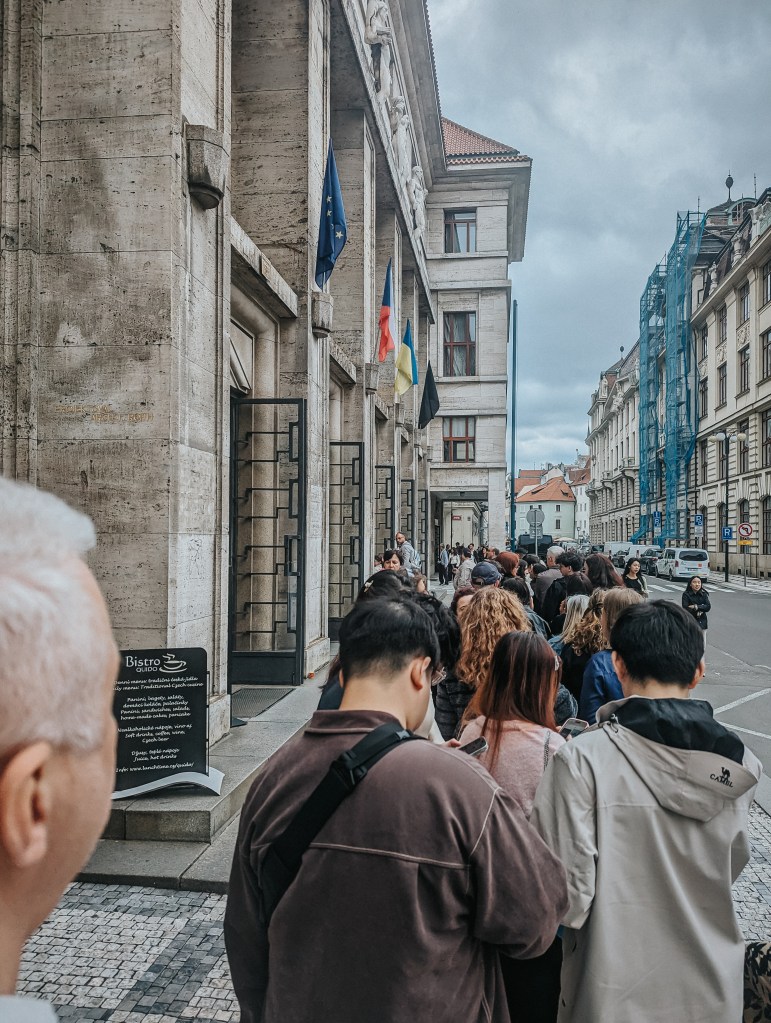
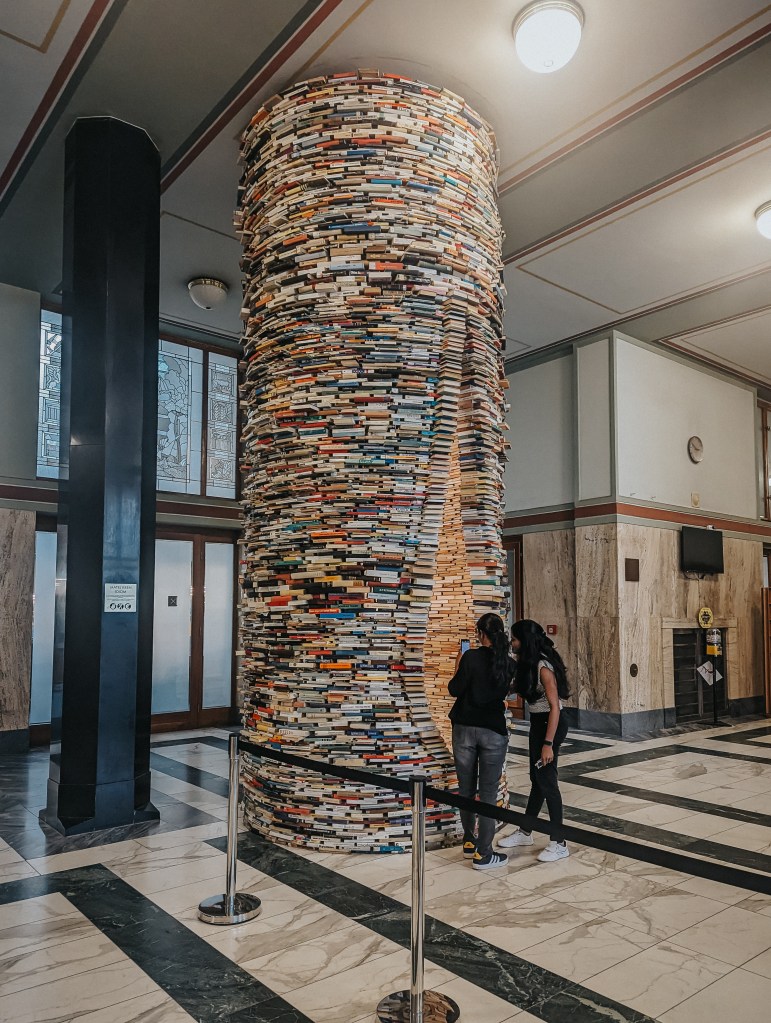
Fall Down the Rabbit Hole at Prague Municipal Library. Inside the Prague Municipal Library, you’ll find a fascinating art installation resembling a rabbit hole, created by Matej Kren. It’s made from hundreds of books and mirrors, creating an illusion of an infinite tunnel. This installation, known as “Idiom,” is a must-see for literature lovers and those interested in unique art experiences. The library itself is also worth exploring, with its beautiful architecture and extensive collection of books. Just expect to wait in a queue.
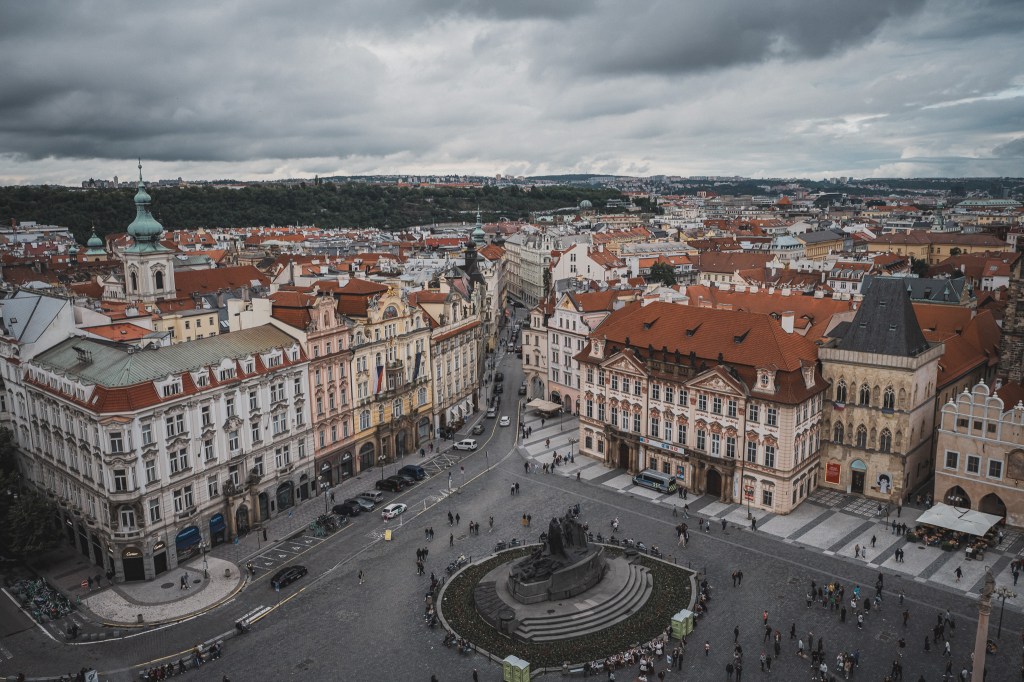
Old Town Square. The heart of Prague, Old Town Square, is surrounded by historic buildings, including the Old Town Hall, the Church of Our Lady before Týn, and St. Nicholas Church. It’s a lively area with street performers, markets, and cafes. The square is also home to the famous Astronomical Clock, which draws crowds every hour to watch its procession of the Twelve Apostles. The vibrant atmosphere makes it an ideal place to start your exploration of Prague.
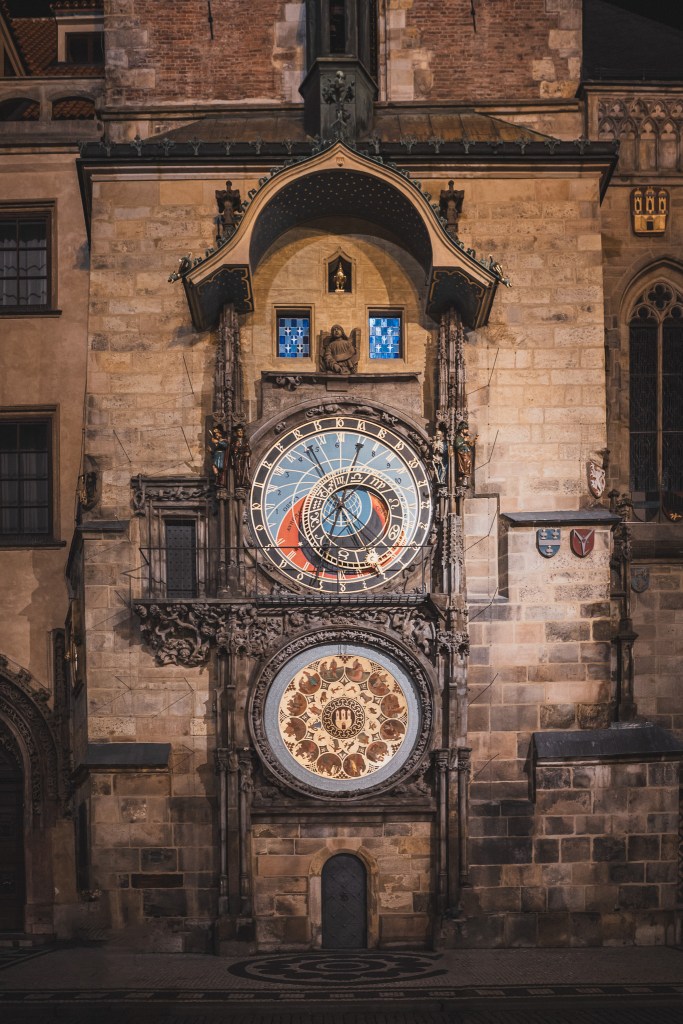
Astronomical Clock. Prague’s Astronomical Clock, located on the Old Town Hall, is a medieval marvel. Installed in 1410, it features an hourly show with the Twelve Apostles and other figures moving in procession. The clock also displays astronomical information and the current position of celestial bodies. It is one of the oldest and most well-preserved mechanical clocks in the world, making it a significant historical and technological landmark.
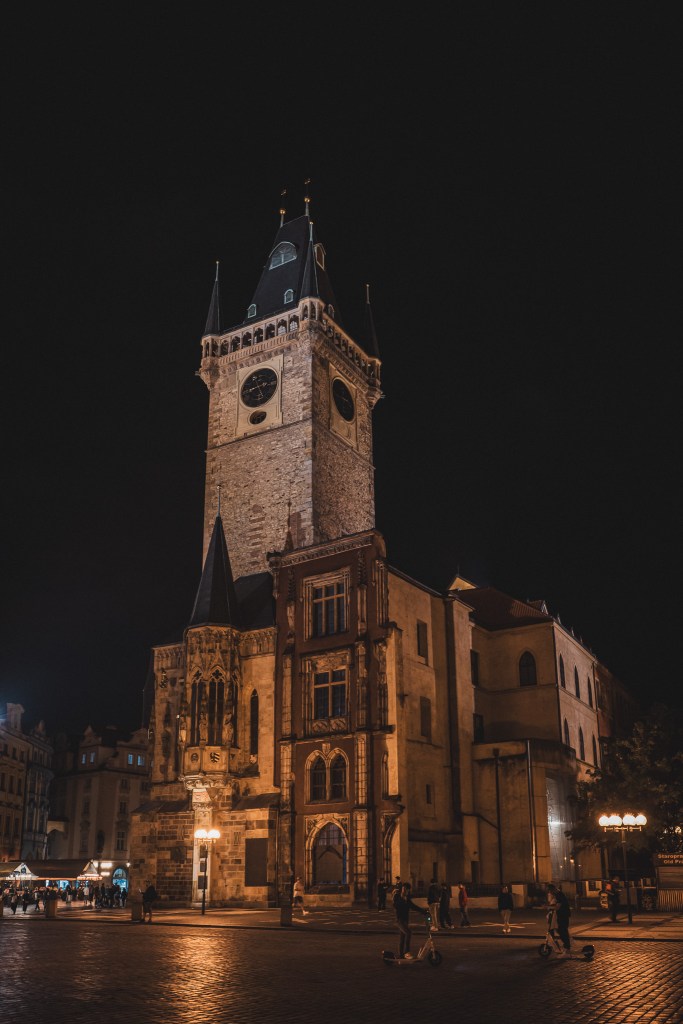
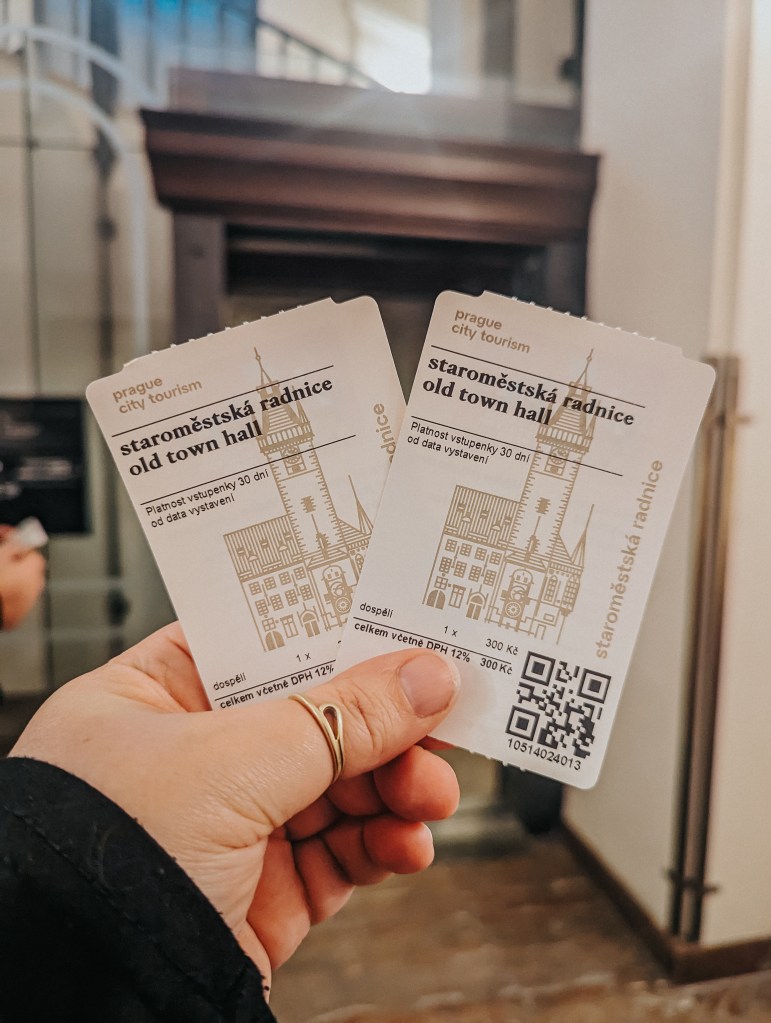
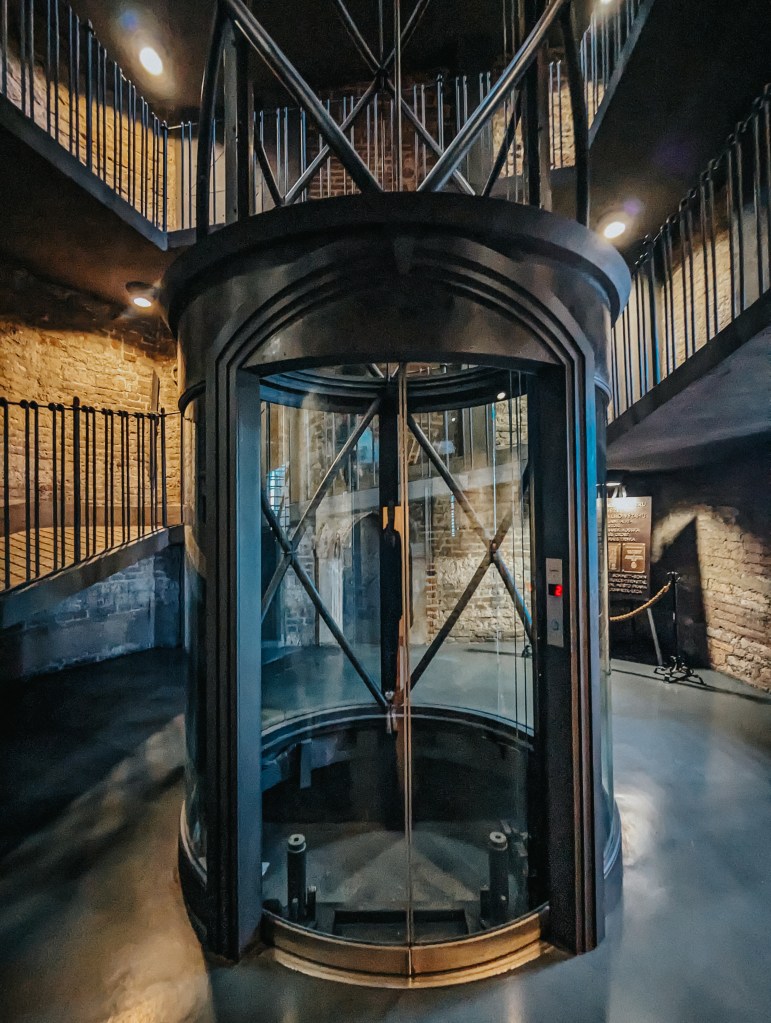
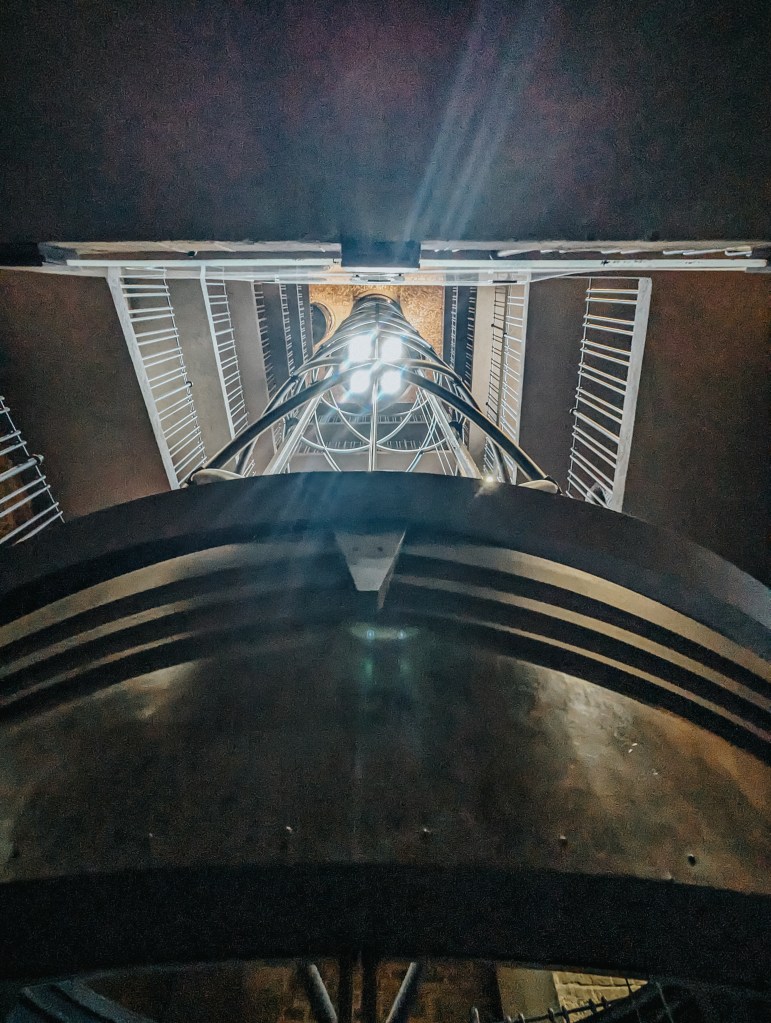
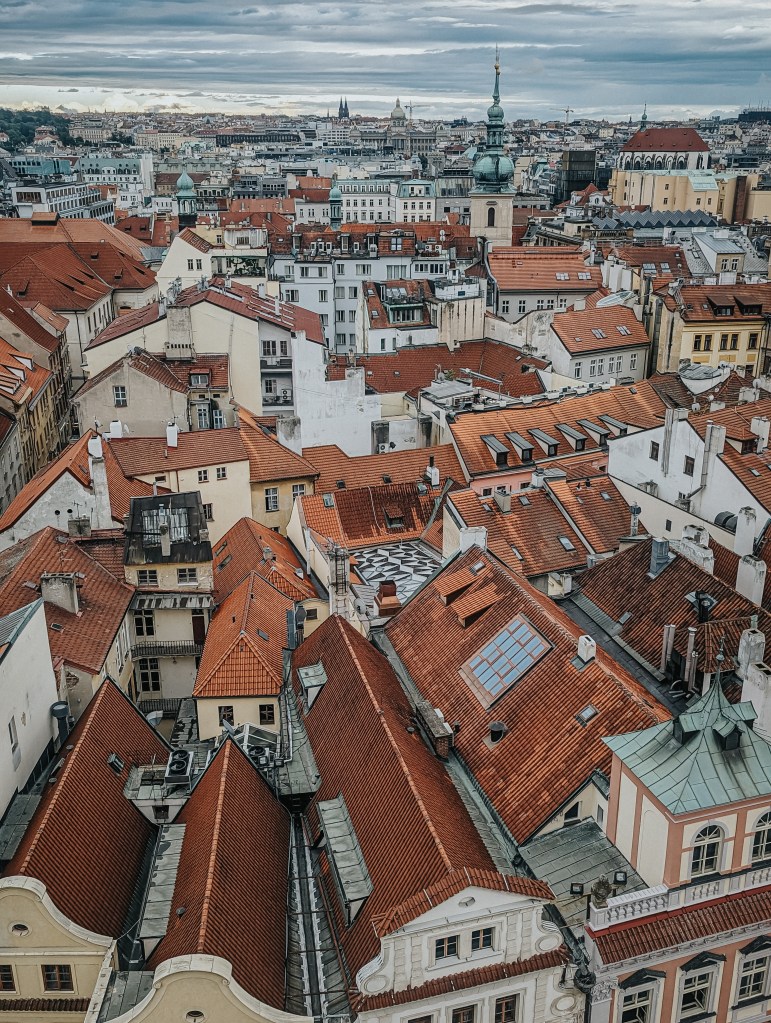
Astronomical Clock Tower. For a fee, you can take a lift up the Astronomical Clock Tower to enjoy panoramic views of Prague. Be mindful of the additional cost for the lift, which applies to all tower attractions in the city. The view from the top is spectacular, offering a 360-degree perspective of Prague’s red rooftops, historic buildings, and bustling streets below. It’s a must-visit for photographers and those wanting a bird’s-eye view of the city.
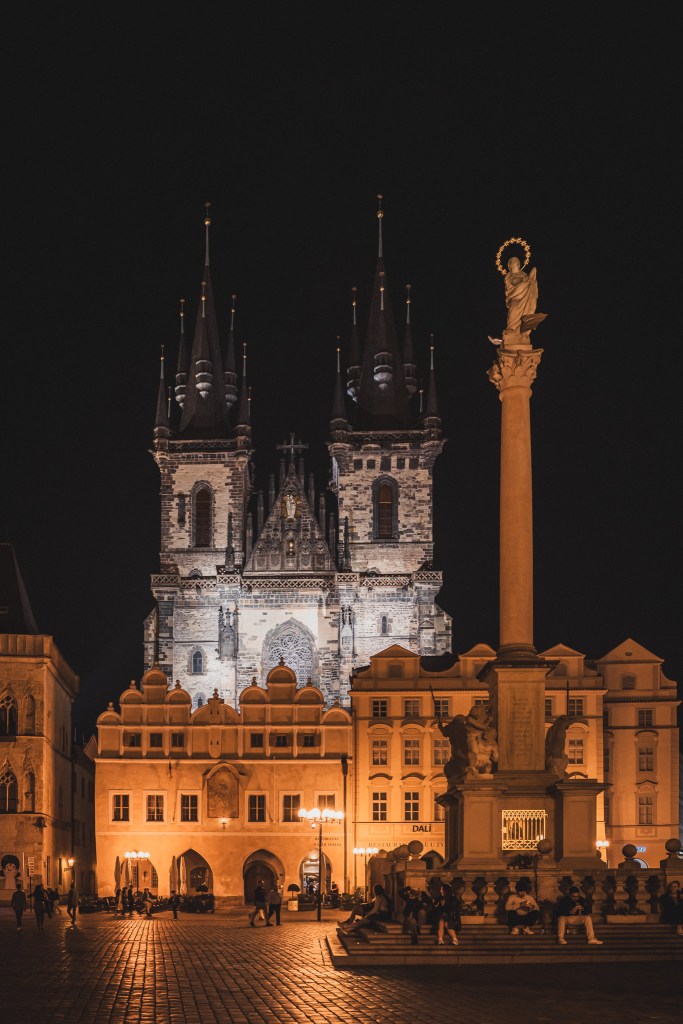
Church of Our Lady before Týn. Dominating the Old Town Square, this Gothic church is known for its twin spires and magnificent interior. It holds the tomb of the astronomer Tycho Brahe. The church’s exterior is iconic, with its dark, towering spires creating a dramatic silhouette against the sky. Inside, the Baroque decorations contrast beautifully with the Gothic architecture, and the history of the church is deeply intertwined with Prague’s medieval past.
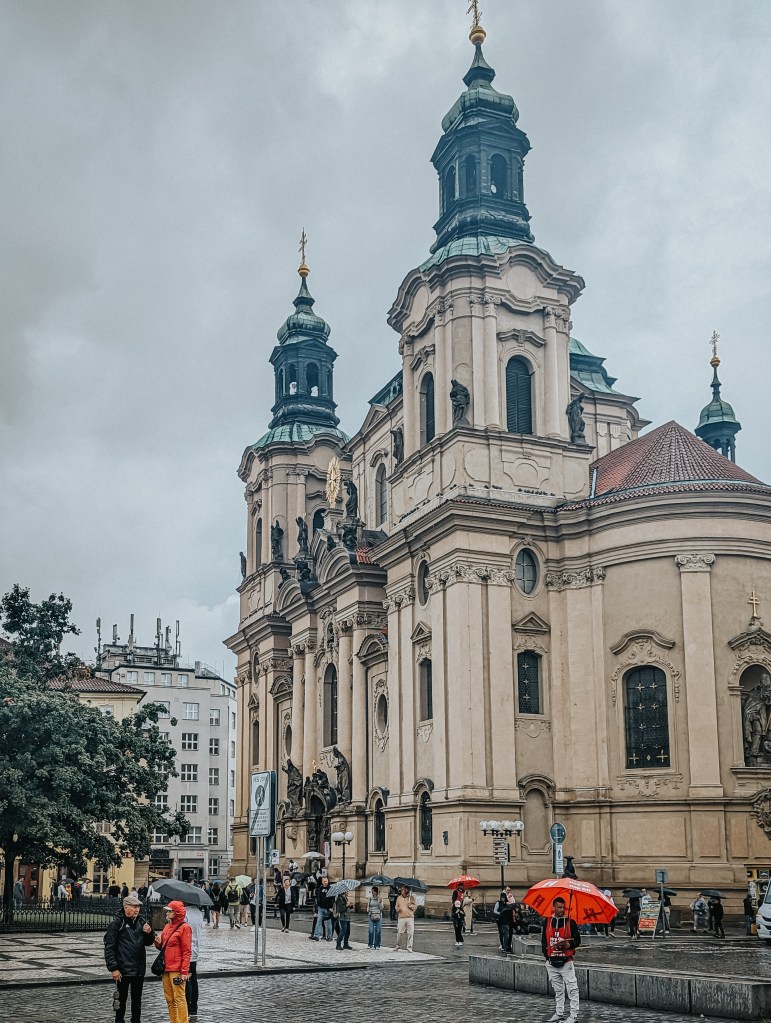
St. Nicholas Church. This Baroque masterpiece features stunning frescoes, a grand organ, and beautiful chandeliers. It’s a must-visit for architecture and music lovers alike. The church regularly hosts classical music concerts, taking advantage of its excellent acoustics and magnificent organ. The richly decorated interior and the impressive ceiling frescoes make it one of Prague’s most beautiful churches.
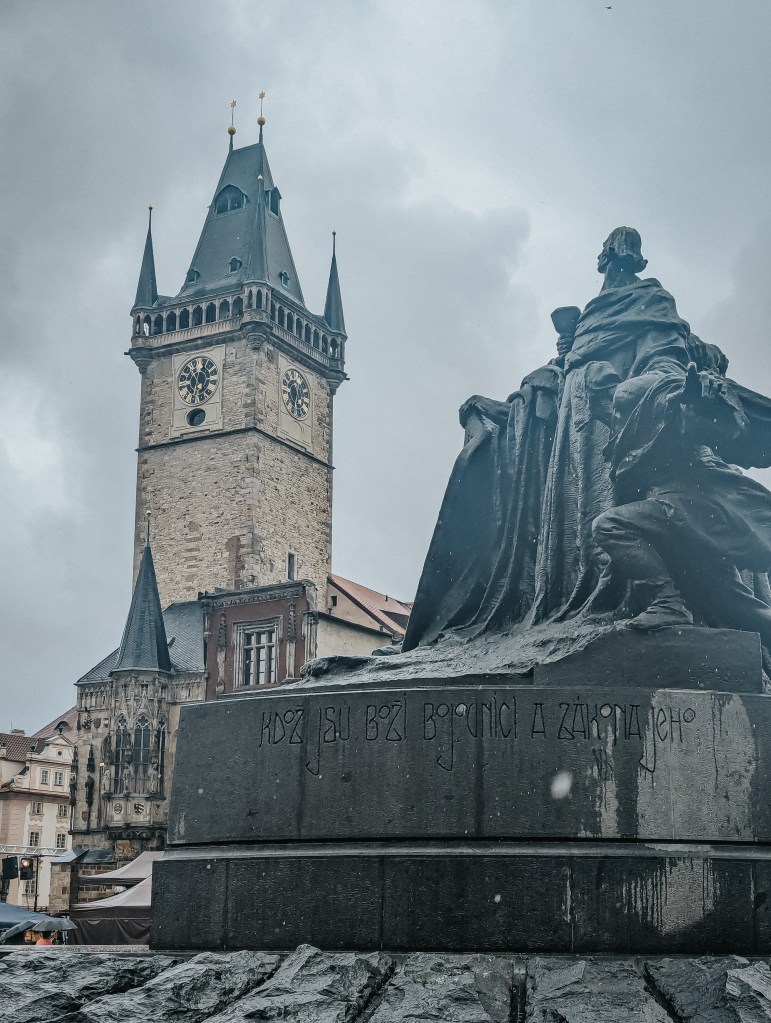
Jan Hus Memorial. Erected in 1915, this memorial in Old Town Square honours Jan Hus, a Czech religious reformer. It symbolises national pride and the struggle for freedom. The monument is a powerful representation of Hus’s impact on Czech history and his role in the early Protestant movement. It serves as a reminder of the country’s long-standing fight for religious and political independence.
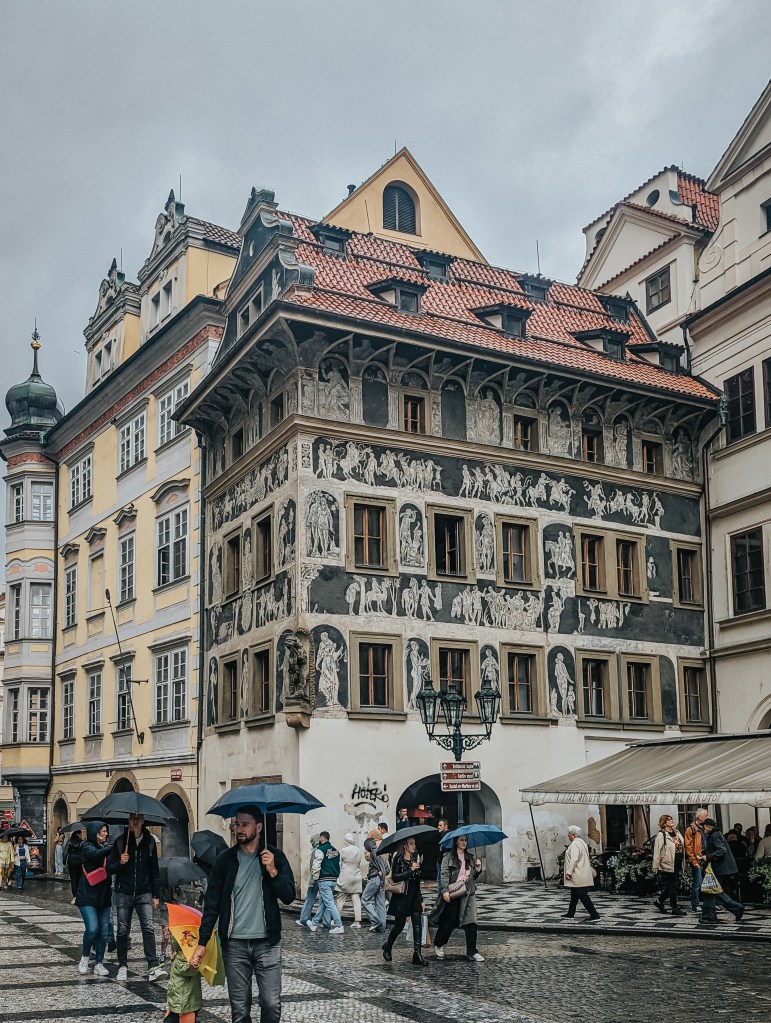
The House at the Minute. Located near the Old Town Hall, this Renaissance building is famous for its intricate graffito decorations depicting scenes from biblical and classical mythology. The building’s façade is a work of art, with detailed designs that tell stories from the past. It is also historically significant as the childhood home of Franz Kafka, one of Prague’s most famous literary figures.
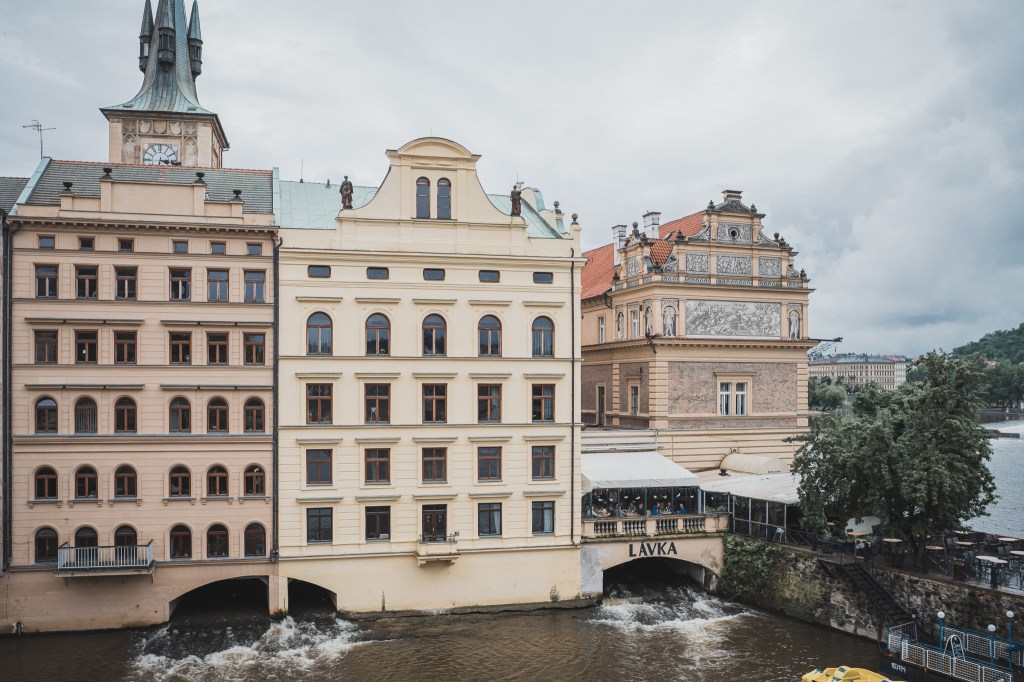
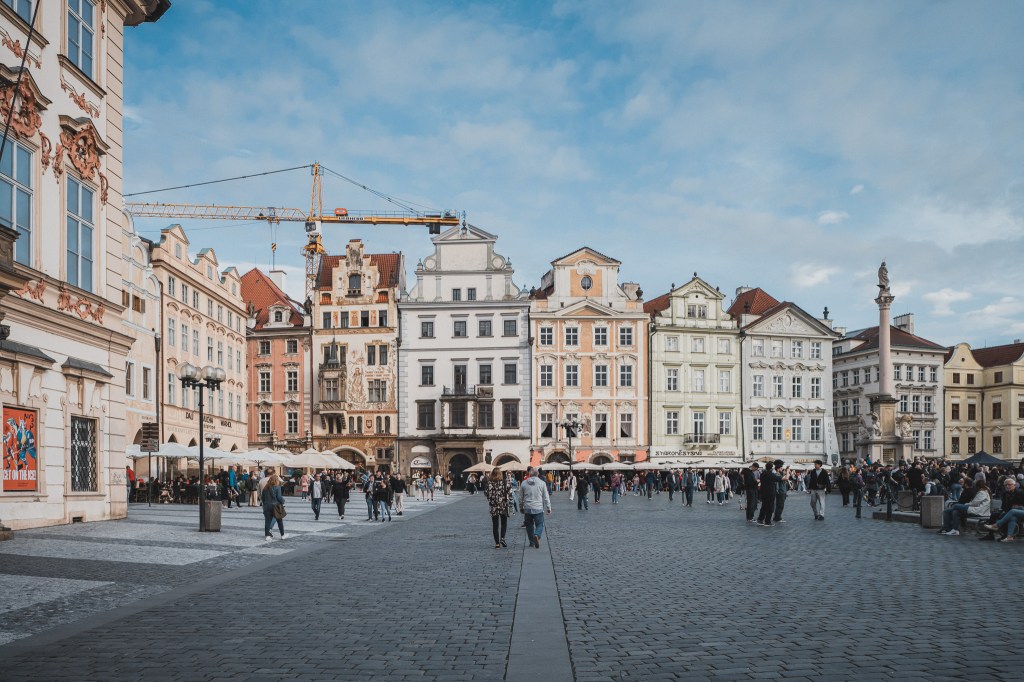
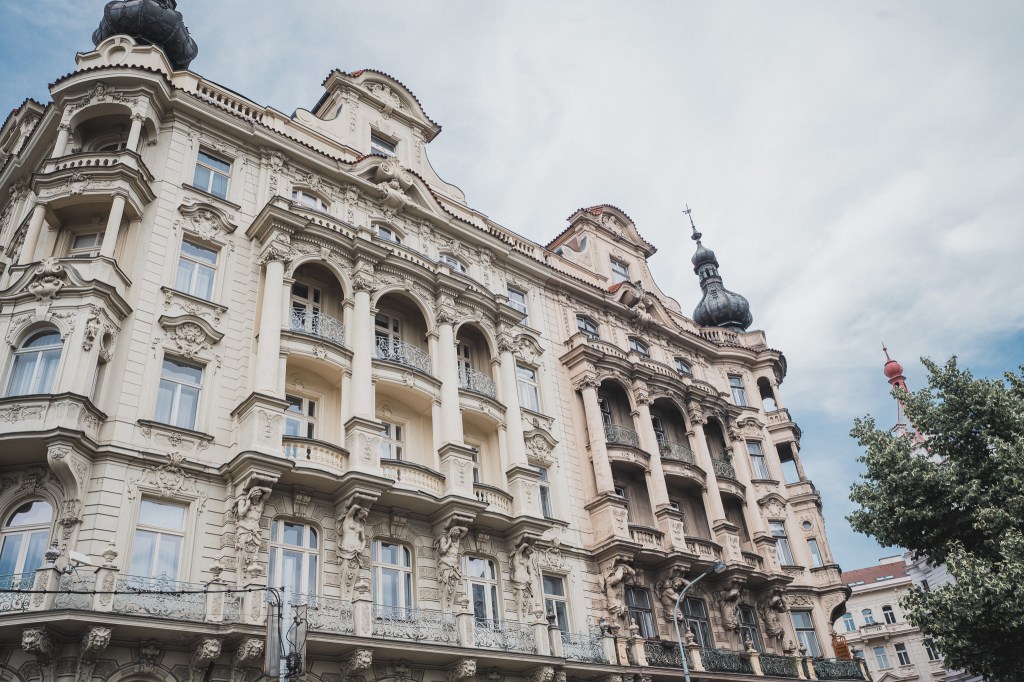
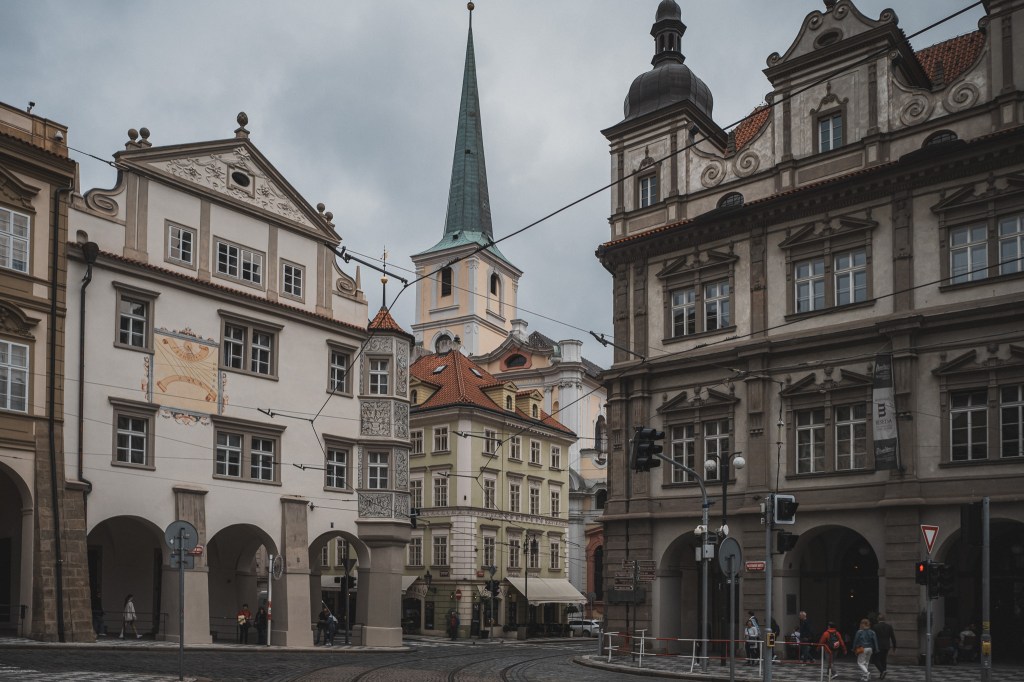

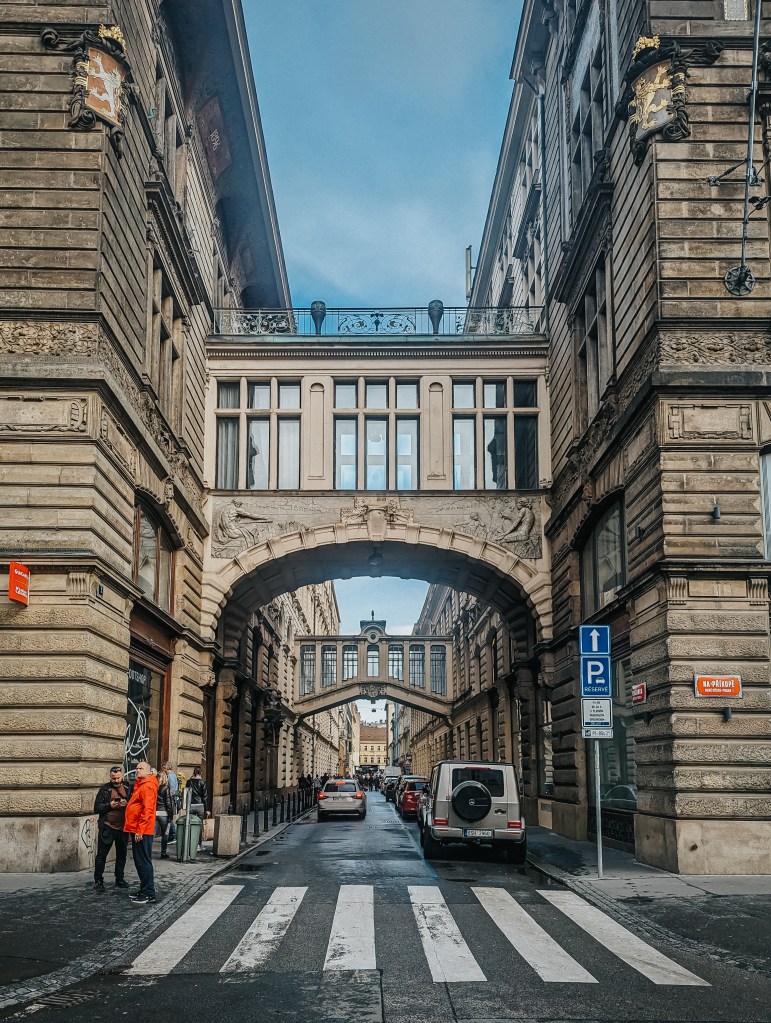
Prague Architecture. Prague’s architecture is a blend of Gothic, Baroque, Renaissance, and modern styles. Take time to appreciate the facades, courtyards, and hidden details throughout the city. Each building tells a story, from the medieval structures of the Old Town to the modernist and contemporary designs that have been integrated into the city’s fabric. Walking tours are available that focus on Prague’s architectural heritage, providing insights into the history and design of its buildings.
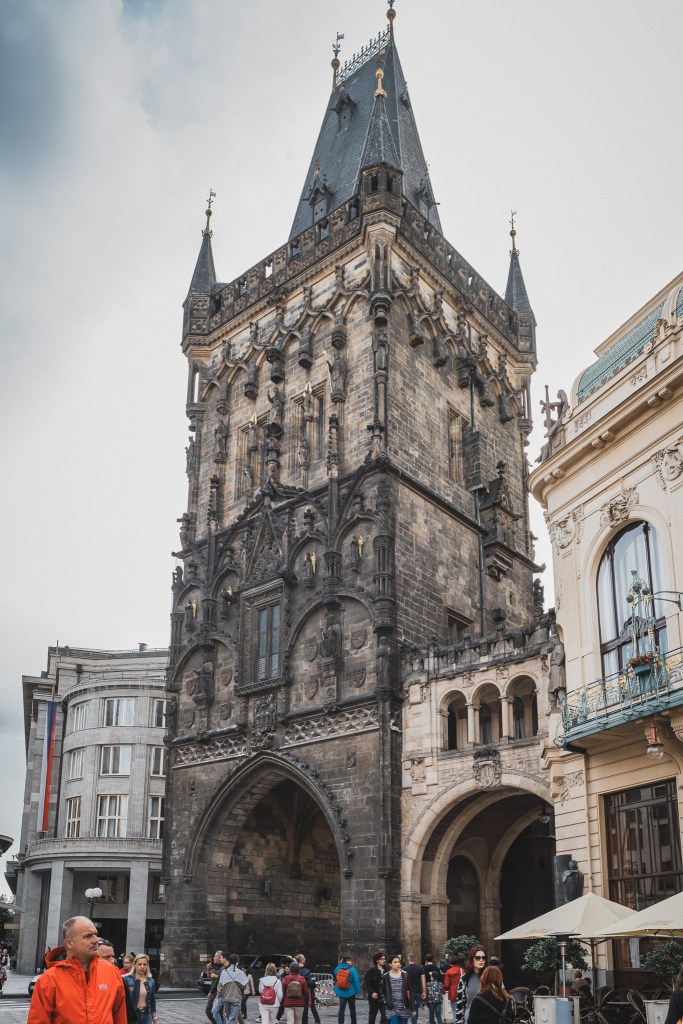
Powder Gate. This Gothic tower, once a part of the city’s fortifications, now serves as an entrance to the Old Town. It’s an excellent example of medieval architecture. Climbing to the top of the Powder Gate offers a fantastic view of the surrounding area, and the tower itself is adorned with intricate sculptures and decorative elements that highlight its historical importance.
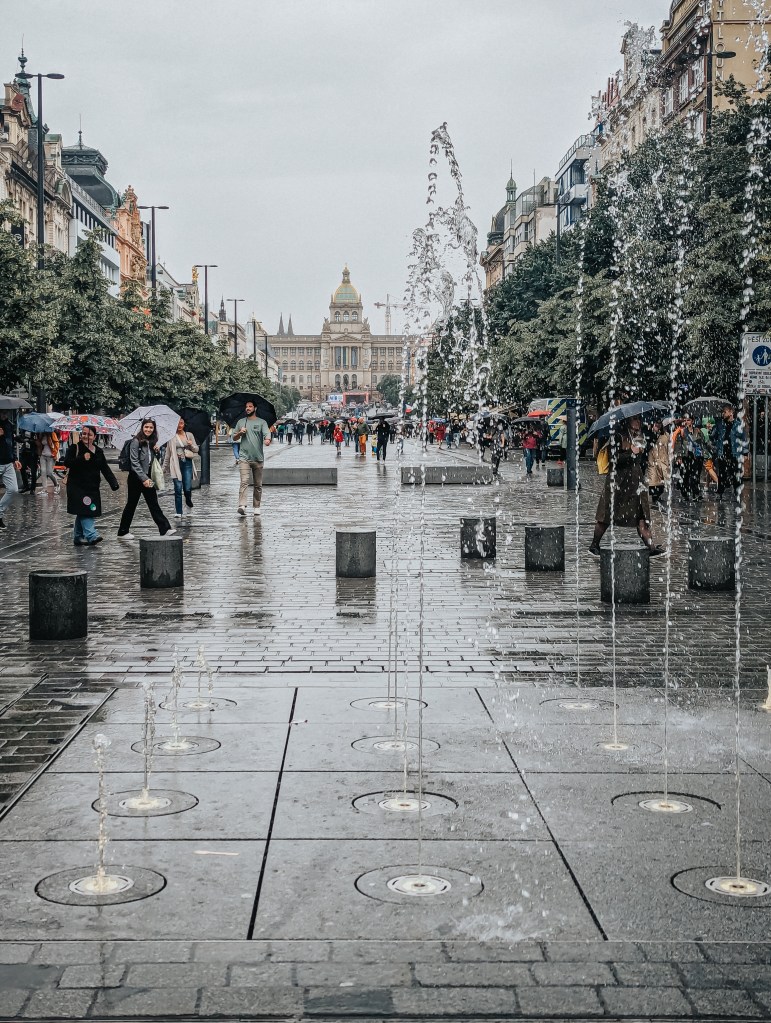
Wenceslas Square. A bustling commercial and cultural hub, Wenceslas Square is lined with shops, restaurants, and historical buildings. It’s also the site of many significant events in Czech history, including demonstrations and celebrations. The square is dominated by the National Museum at one end and the statue of St. Wenceslas, the patron saint of Bohemia, on horseback. It’s a great place to experience the lively atmosphere of modern Prague.
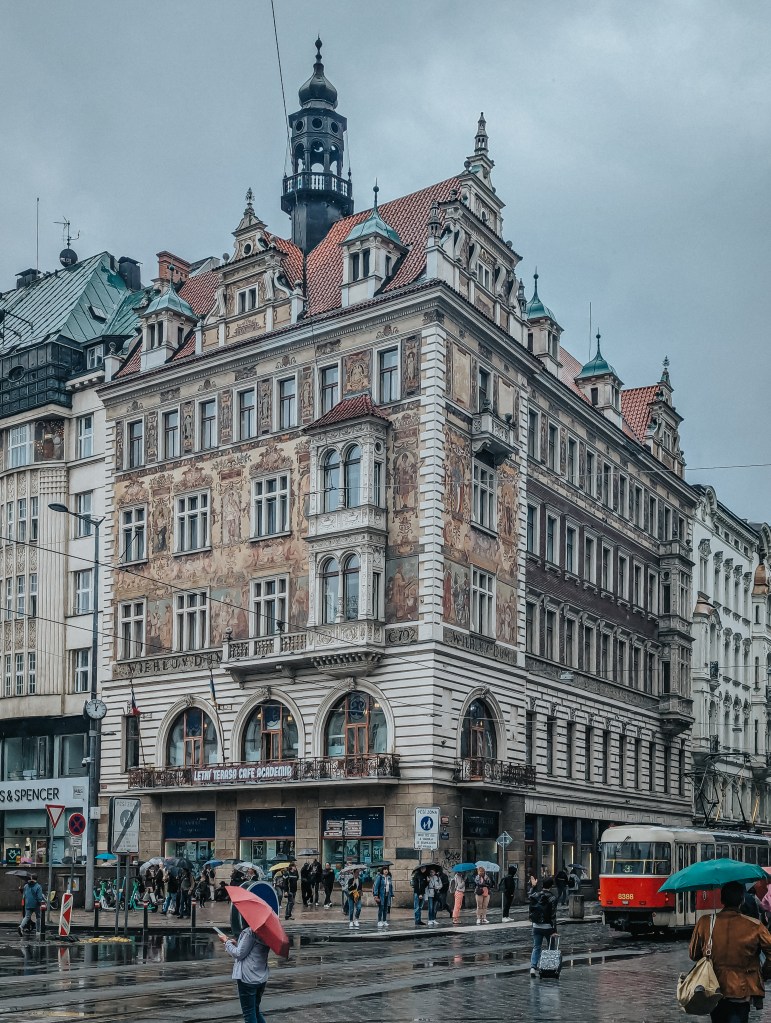
Wiehl House. A beautiful example of Neo-Renaissance architecture, Wiehl House is adorned with colourful murals and intricate details. It’s located on Wenceslas Square. The building’s exterior is a stunning display of artistic craftsmanship, with painted scenes that add to the visual richness of the square. It’s a must-see for architecture enthusiasts.
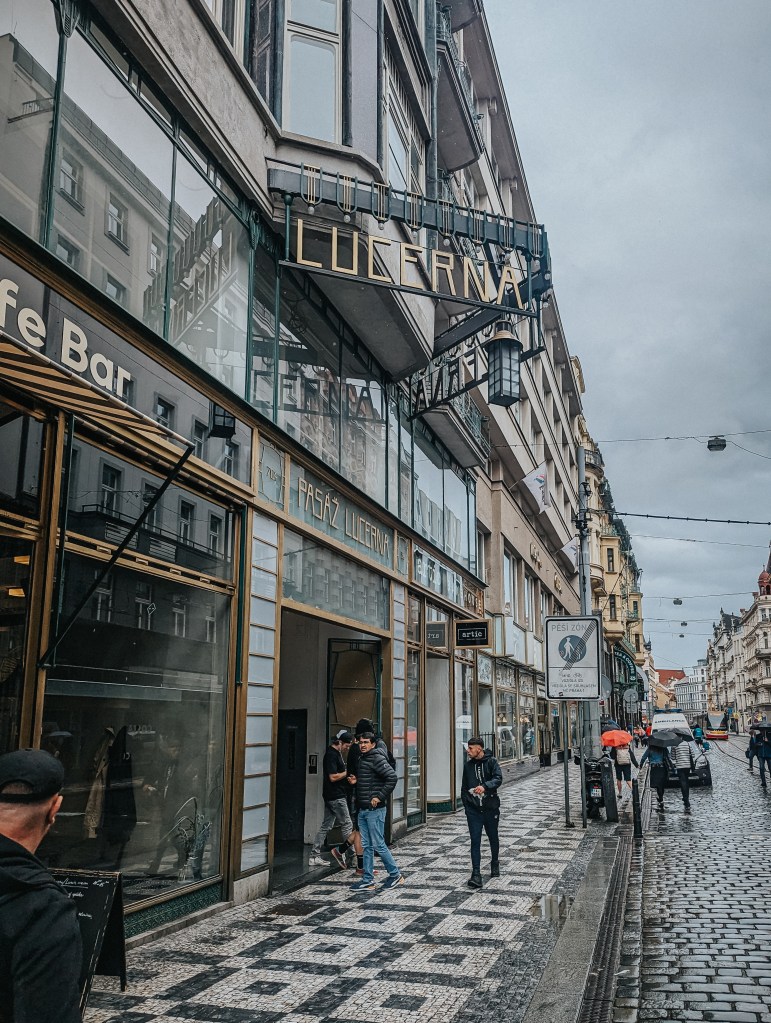
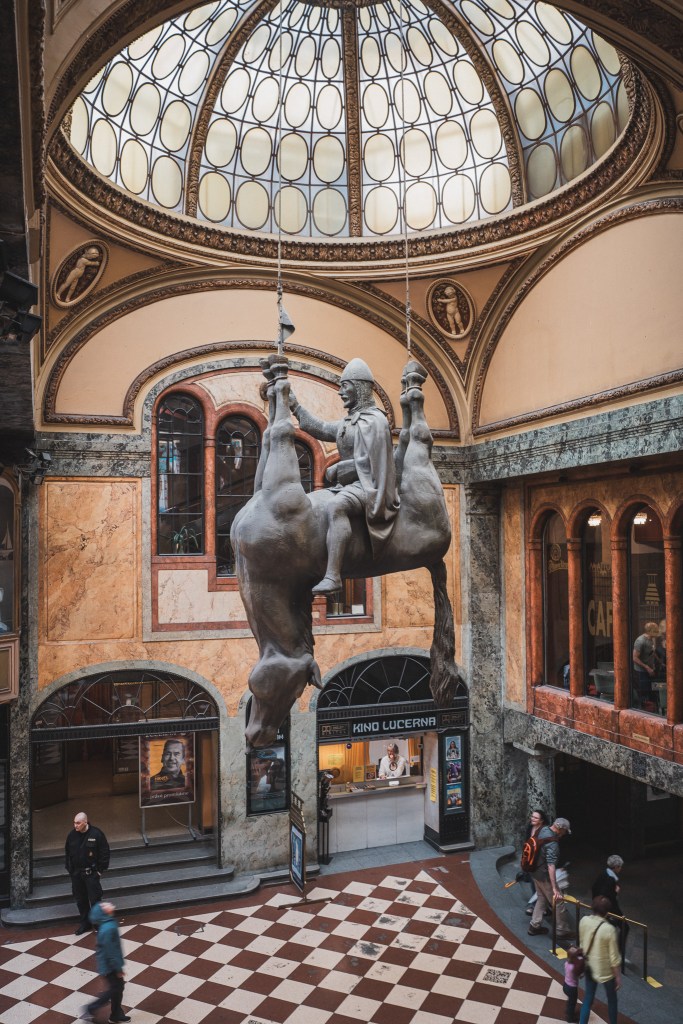
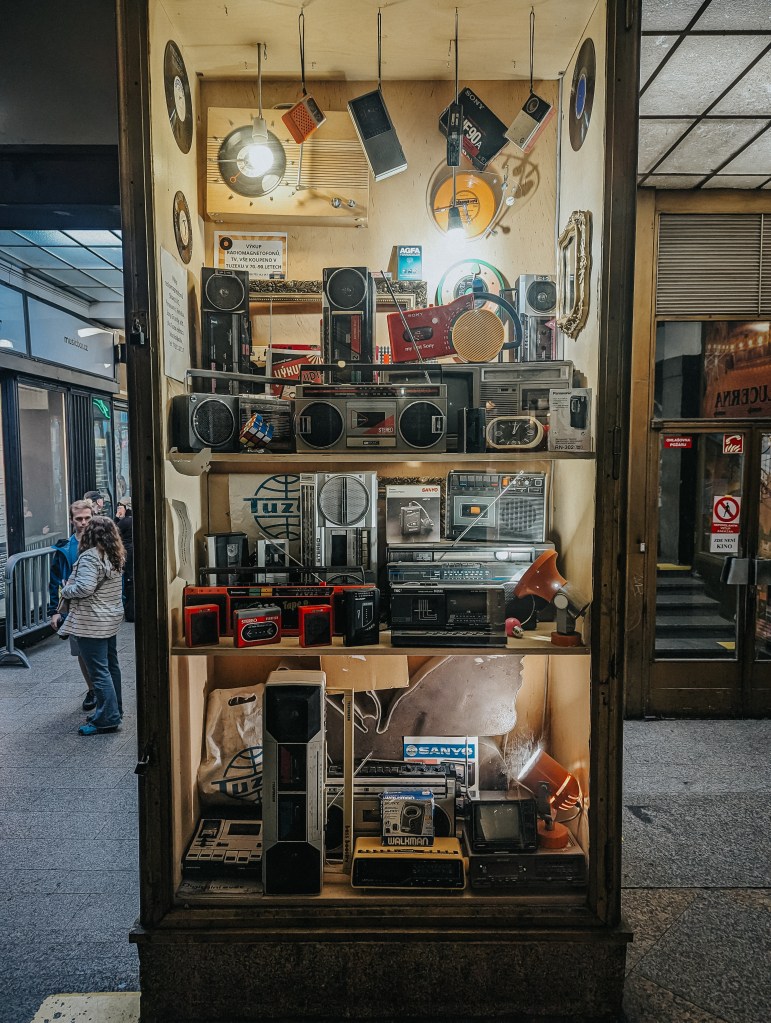
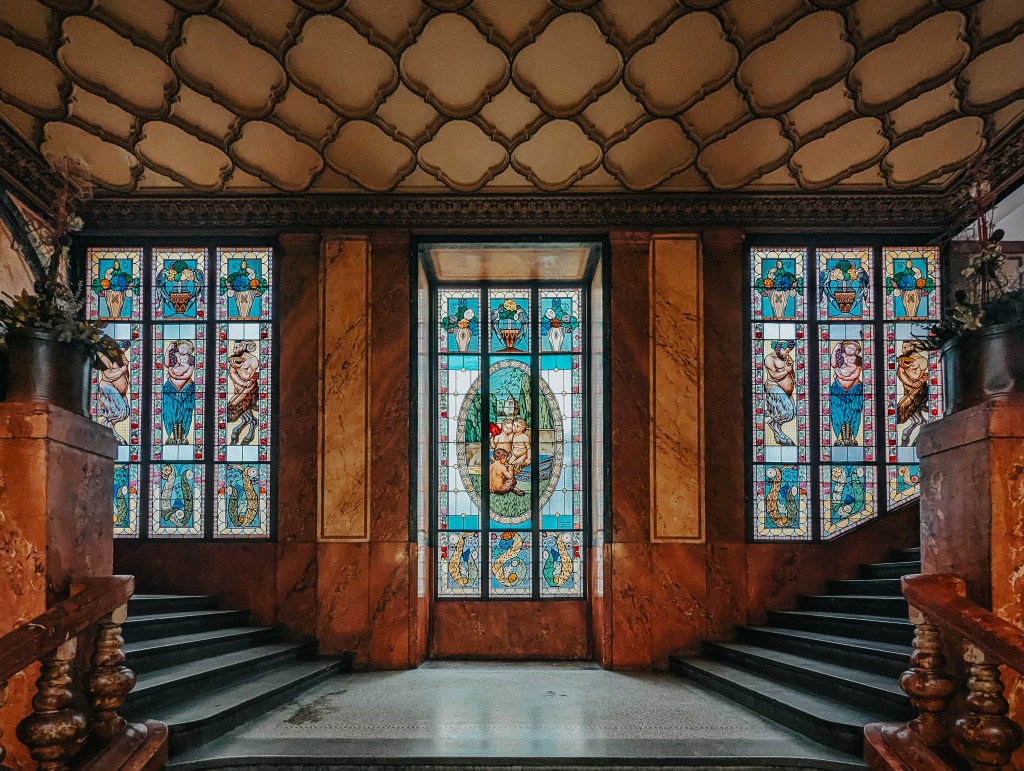
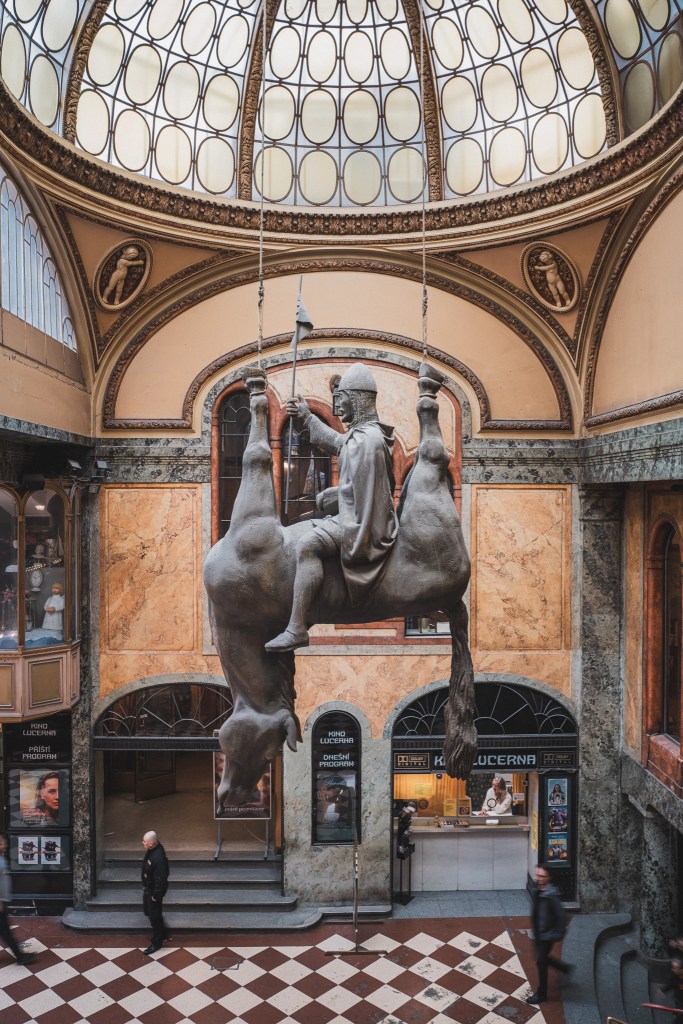
Lucerna Passage. This historic shopping arcade is famous for its unique architectural style and the David Černý sculpture of King Wenceslas riding an upside-down horse. The passage itself is an eclectic mix of Art Nouveau and modernist elements, housing shops, cafes, and a cinema. The sculpture inside is one of Prague’s many quirky artworks, reflecting the city’s sense of humour and artistic creativity.
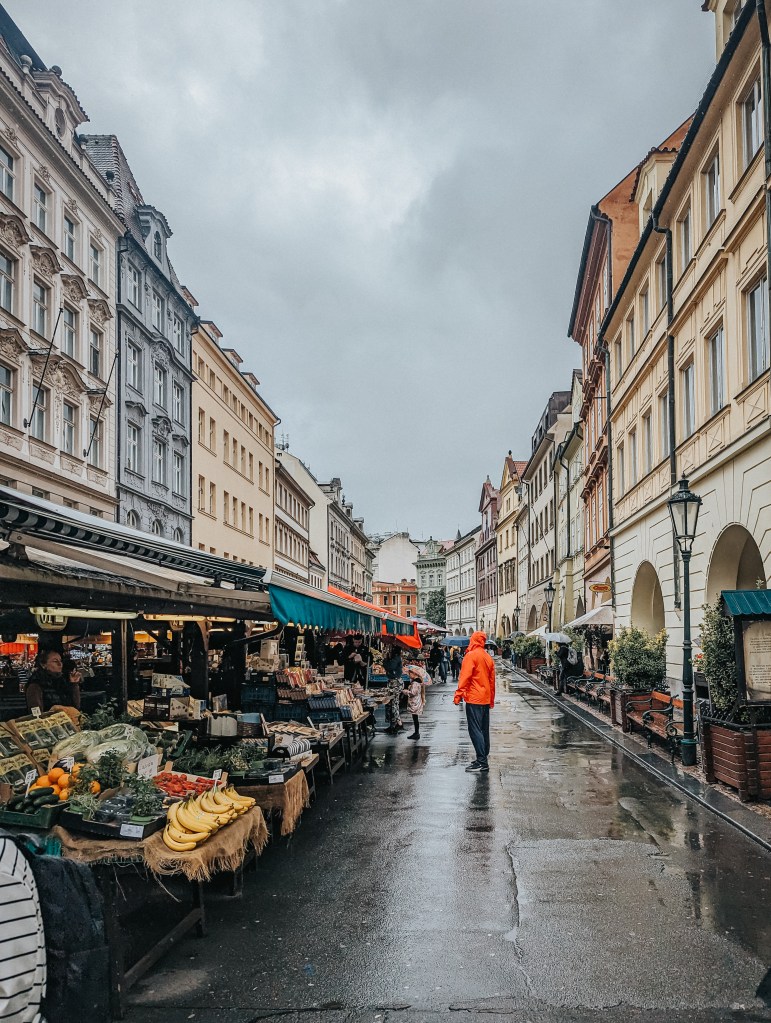
Havel Market. Operating since the 13th century, Havel Market is a great place to buy souvenirs, fresh produce, and traditional Czech crafts. The market stalls offer a variety of goods, from handcrafted jewellery and wooden toys to seasonal fruits and vegetables. It’s a vibrant spot where you can experience local commerce and pick up unique gifts to take home.
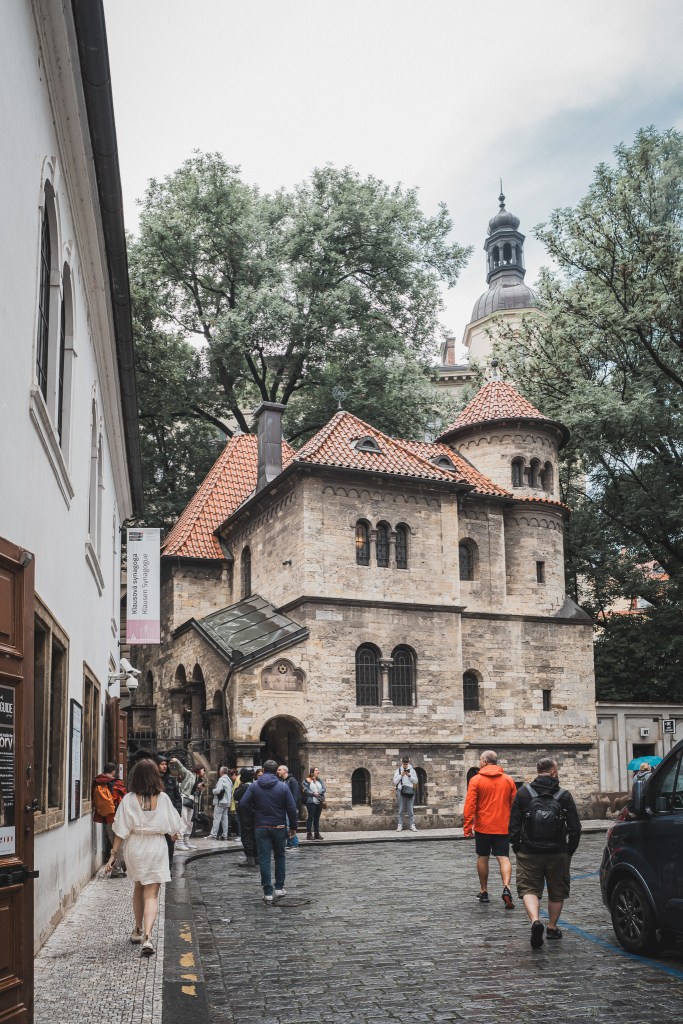
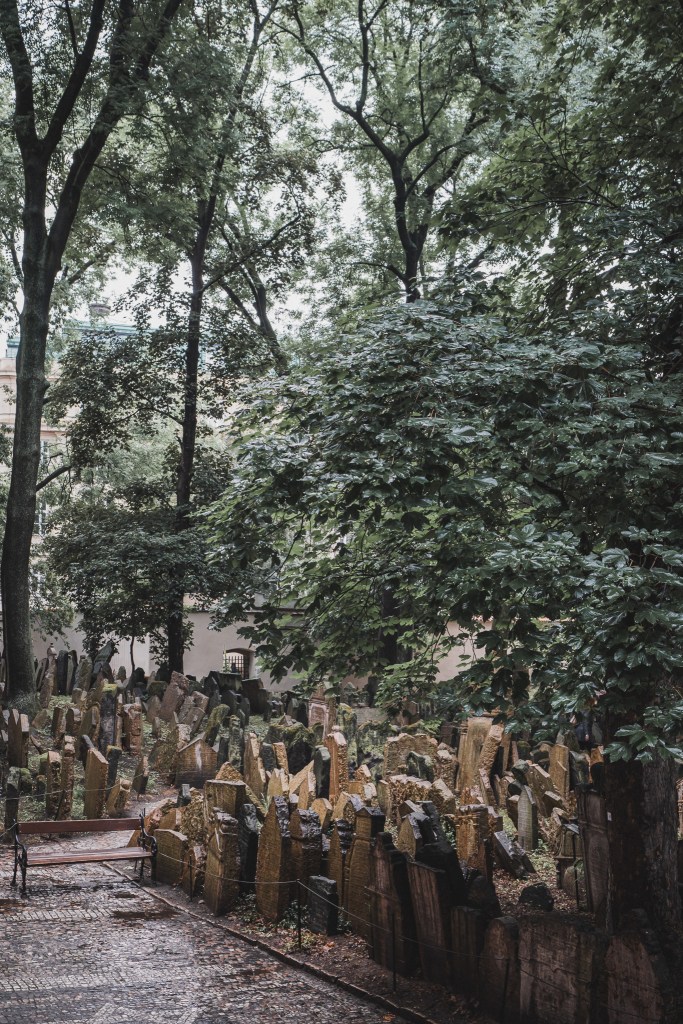
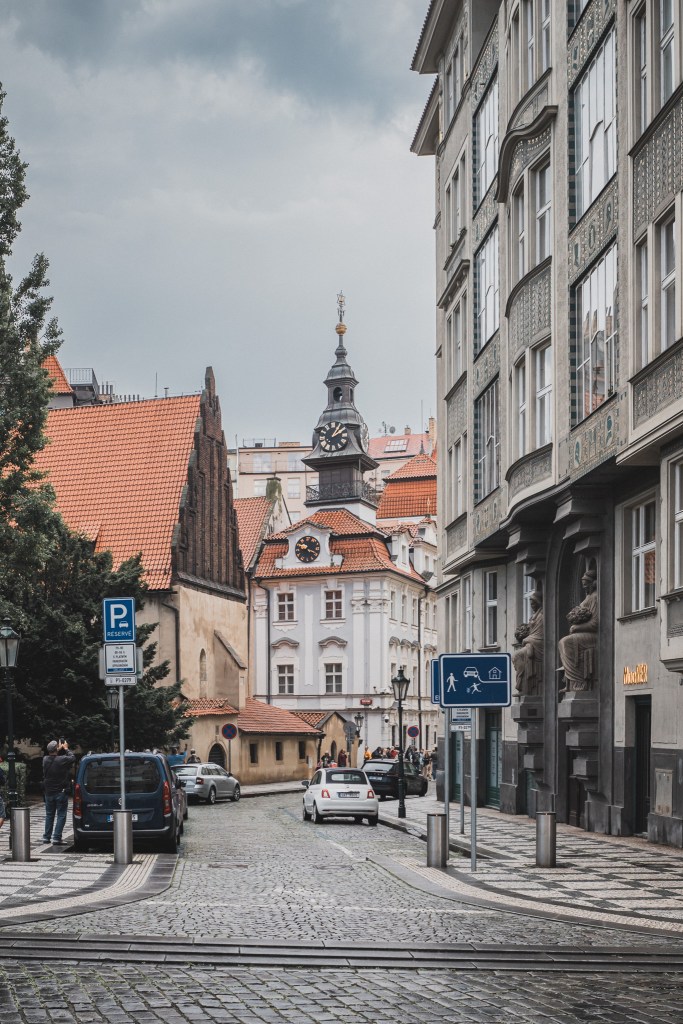
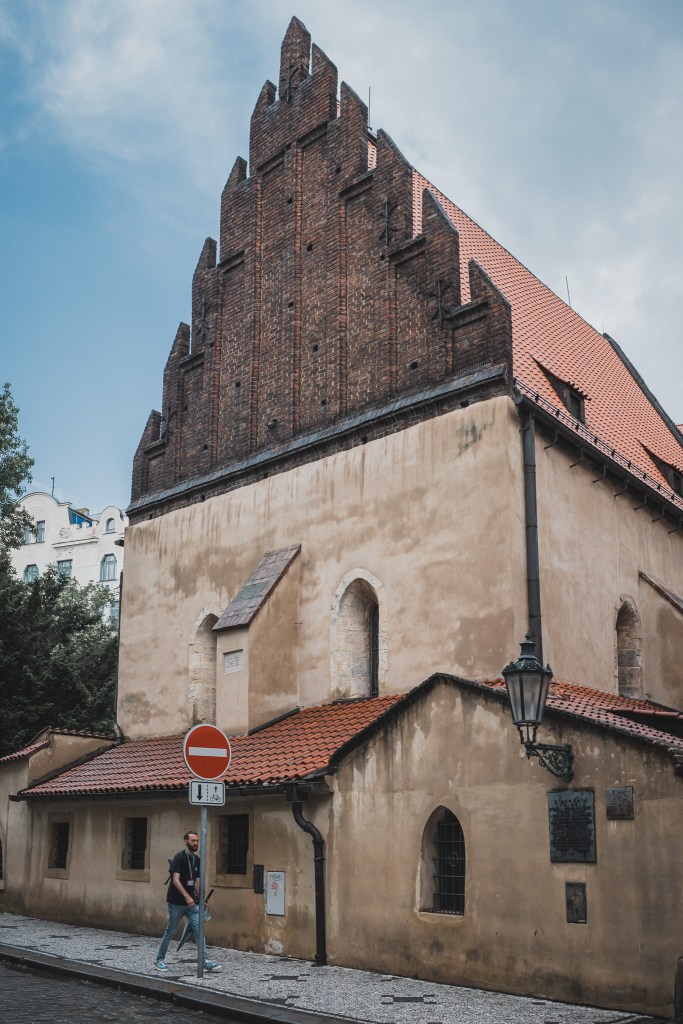
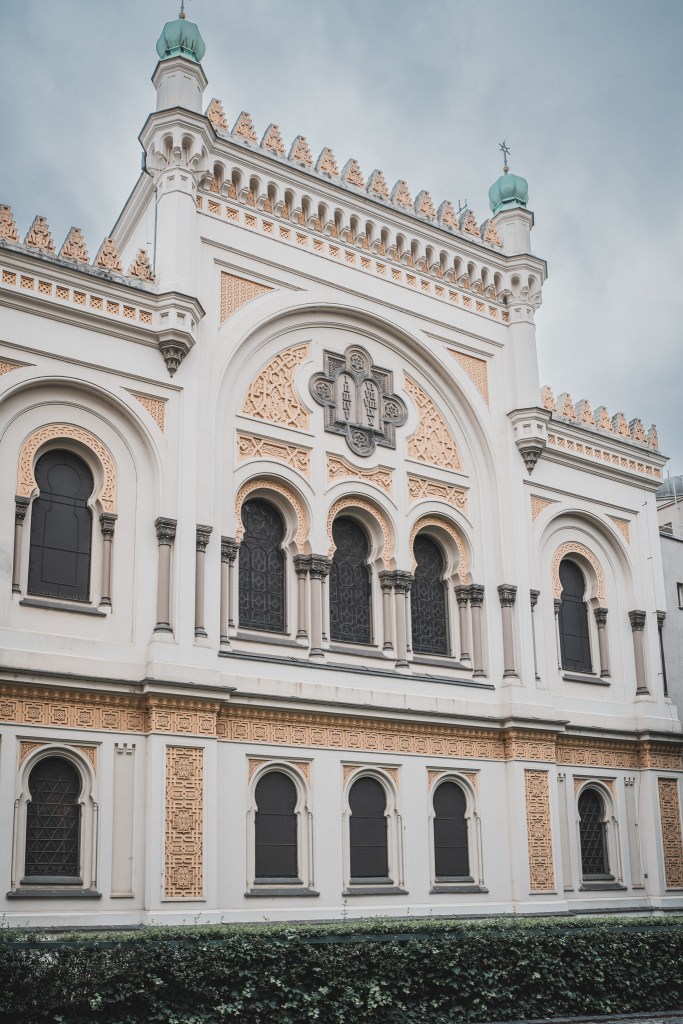

The Jewish Quarter, or Josefov, is home to historic synagogues, the Jewish Museum, and the Old Jewish Cemetery. It’s a poignant reminder of Prague’s Jewish heritage. The area’s synagogues, including the Old-New Synagogue and the Spanish Synagogue, showcase different architectural styles and historical periods. The cemetery, with its layers of graves, is a hauntingly beautiful testament to the community’s long history in Prague.
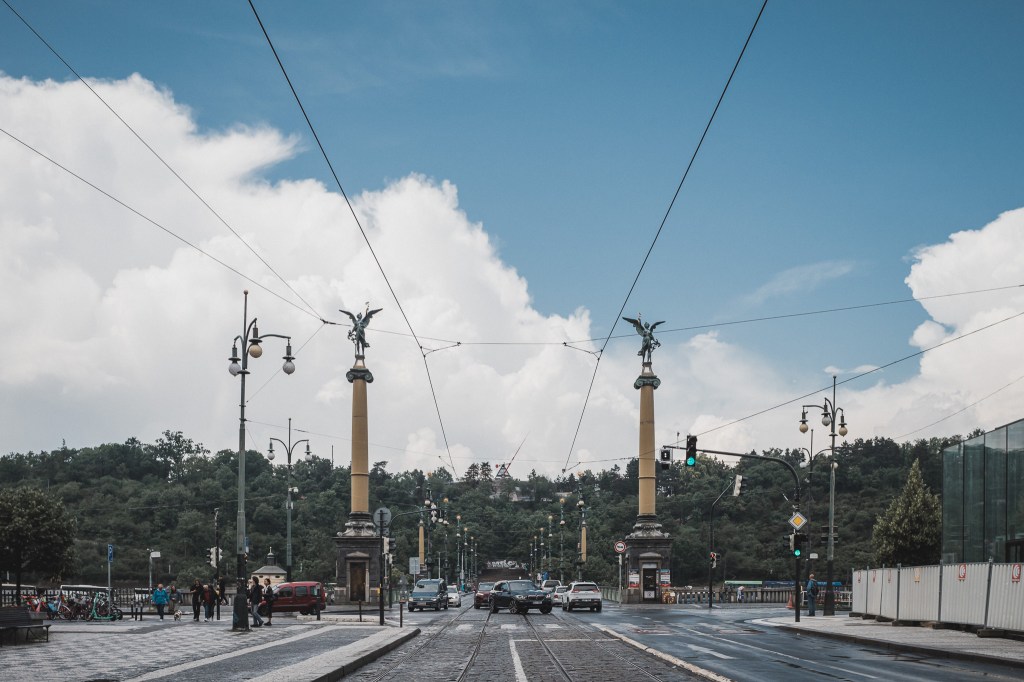
Metronome Sculpture. Overlooking the city from Letná Park, the Metronome Sculpture symbolises the passage of time and the city’s resilience. It’s a popular spot for panoramic views of Prague. The large, functional metronome was installed in 1991 on the site of a former Stalin monument, symbolising the city’s break from its communist past and its continuous forward motion.
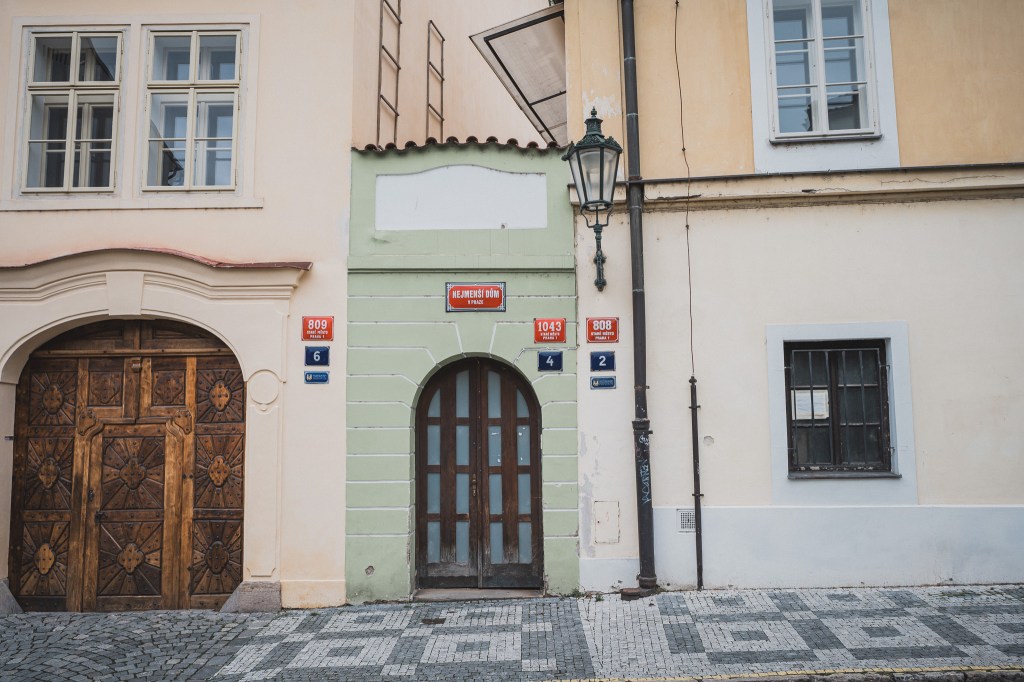
The Smallest House in Prague. Located in the Lesser Town, this tiny house is just over 2 meters wide and is an interesting curiosity in the city. The house, which stands between two larger buildings, is a charming oddity that reflects the city’s whimsical side. It’s a fun spot to visit and photograph while exploring the picturesque streets of Malá Strana.
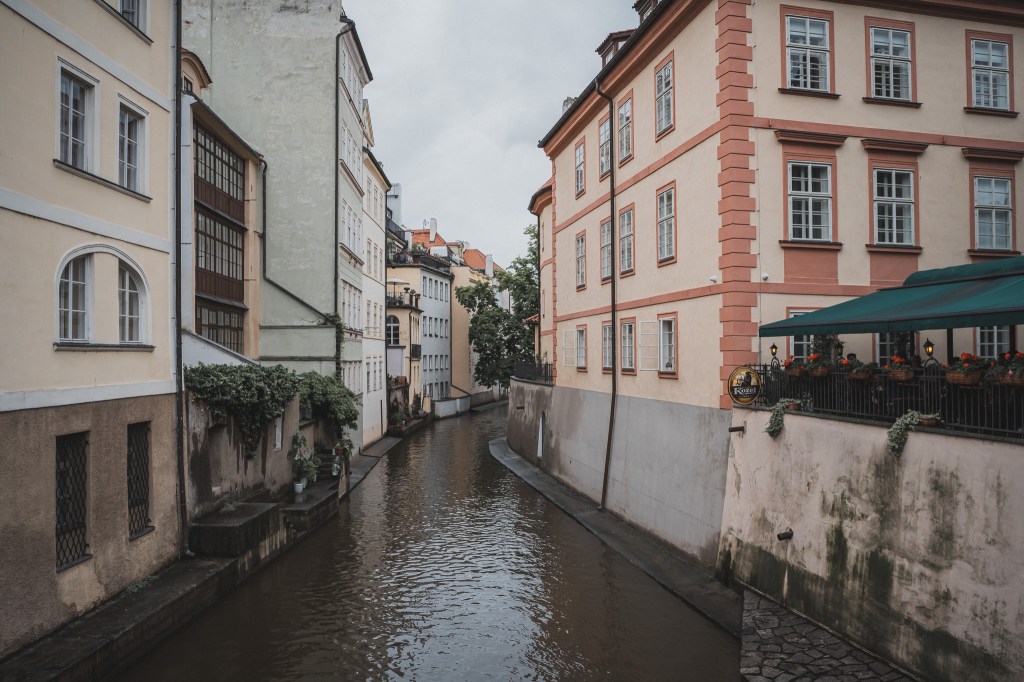
Malá Strana (Lesser Town) is known for its charming streets, Baroque architecture, and landmarks like St. Nicholas Church and the Lennon Wall. The area is characterised by its narrow, winding streets, beautiful palaces, and gardens. It’s a perfect place to wander and discover hidden courtyards, art galleries, and cosy cafes.
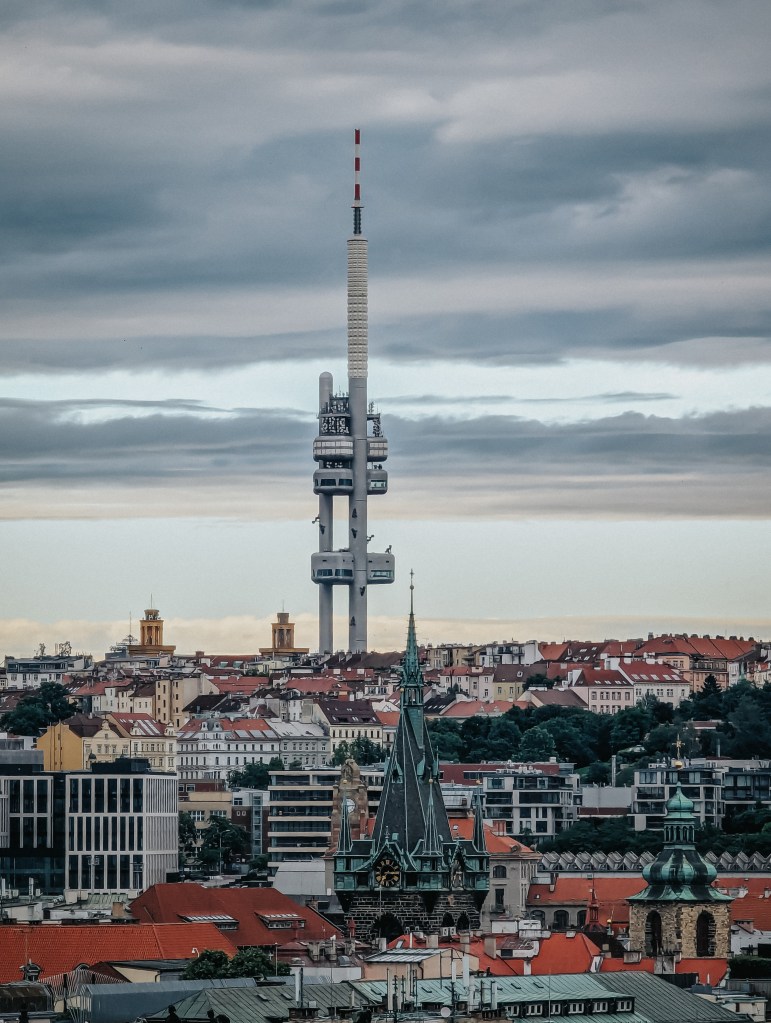
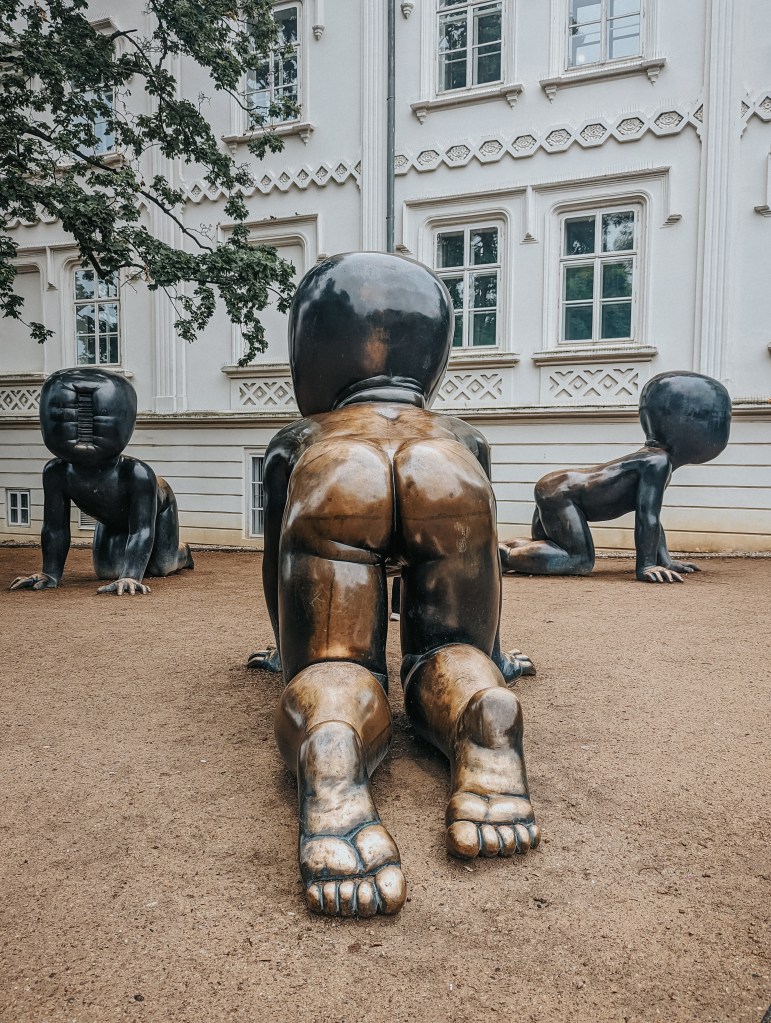
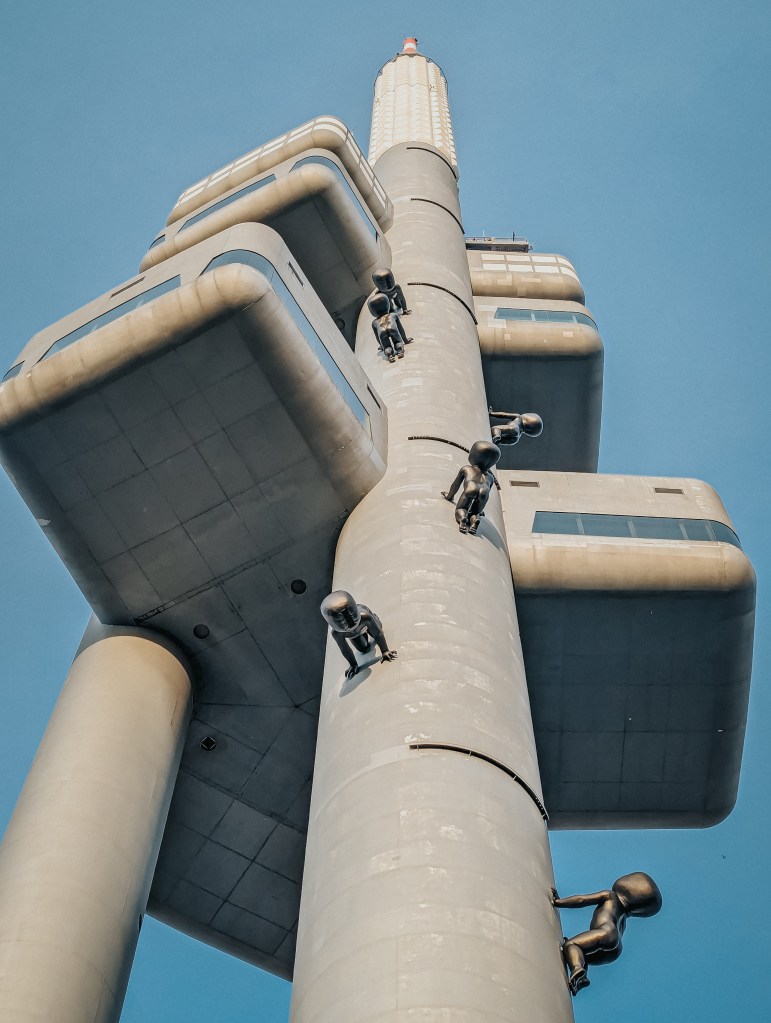
Žižkov Television Tower. This modern tower features an observation deck with panoramic views and sculptures of crawling babies by David Černý. It’s one of Prague’s most controversial yet fascinating landmarks. The tower’s unique design and the playful, yet eerie sculptures make it a standout feature of the city skyline. The observation deck offers one of the best views in Prague, and there is also a restaurant and bar for visitors to enjoy.
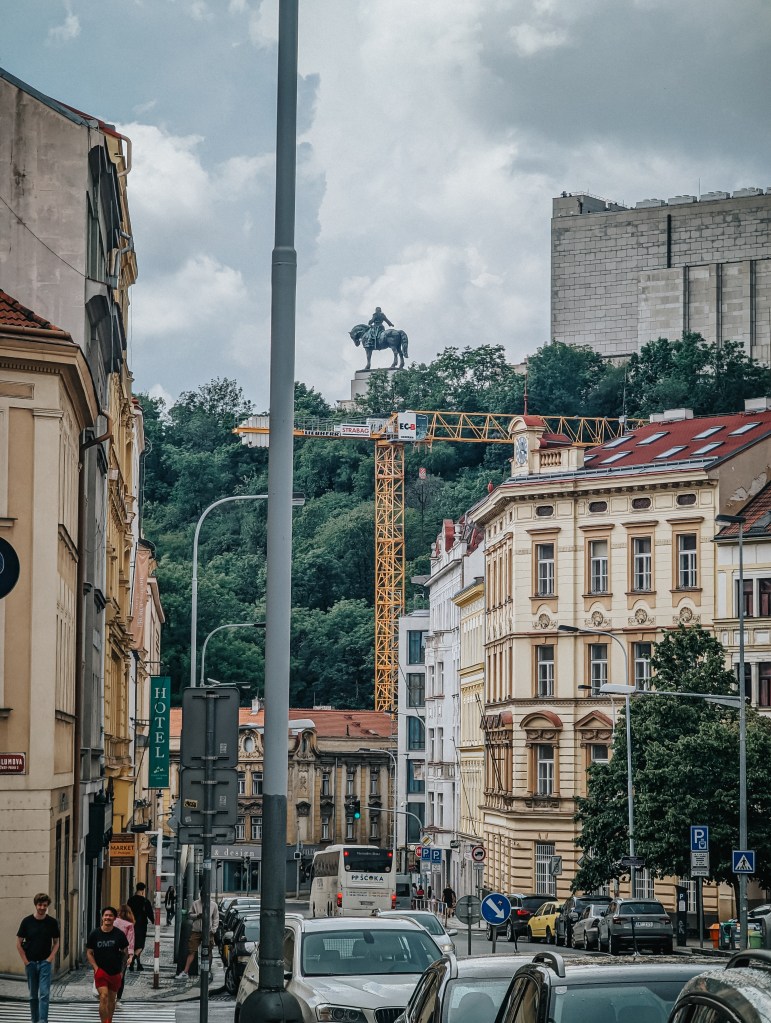
National Monument at Vítkov. This monument honours Czech national heroes and offers panoramic views of the city from its hilltop location. The monument, which includes a massive equestrian statue of Jan Žižka, commemorates the Hussite Wars and other significant events in Czech history. The site also houses a museum that explores the country’s military history and its path to independence.
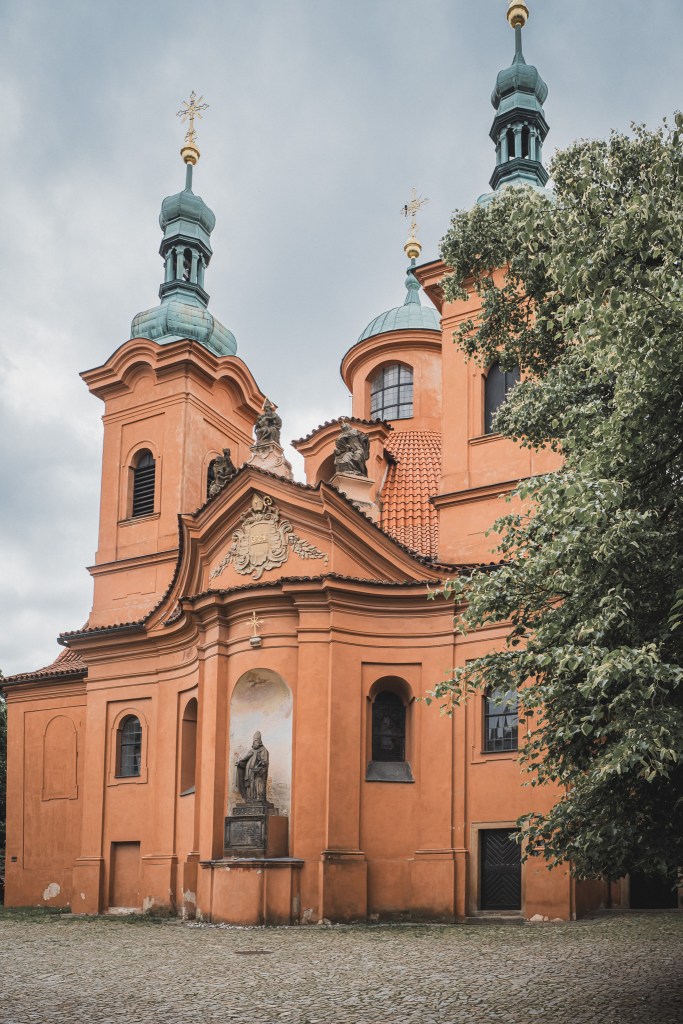
Petřín Hill is a large park with beautiful gardens, a funicular railway, and stunning views of Prague. It’s a great place for a leisurely stroll. The hill is home to several attractions, including the Petřín Tower, the Mirror Maze, and the Hunger Wall. It’s a popular spot for picnics, walks, and enjoying nature within the city.
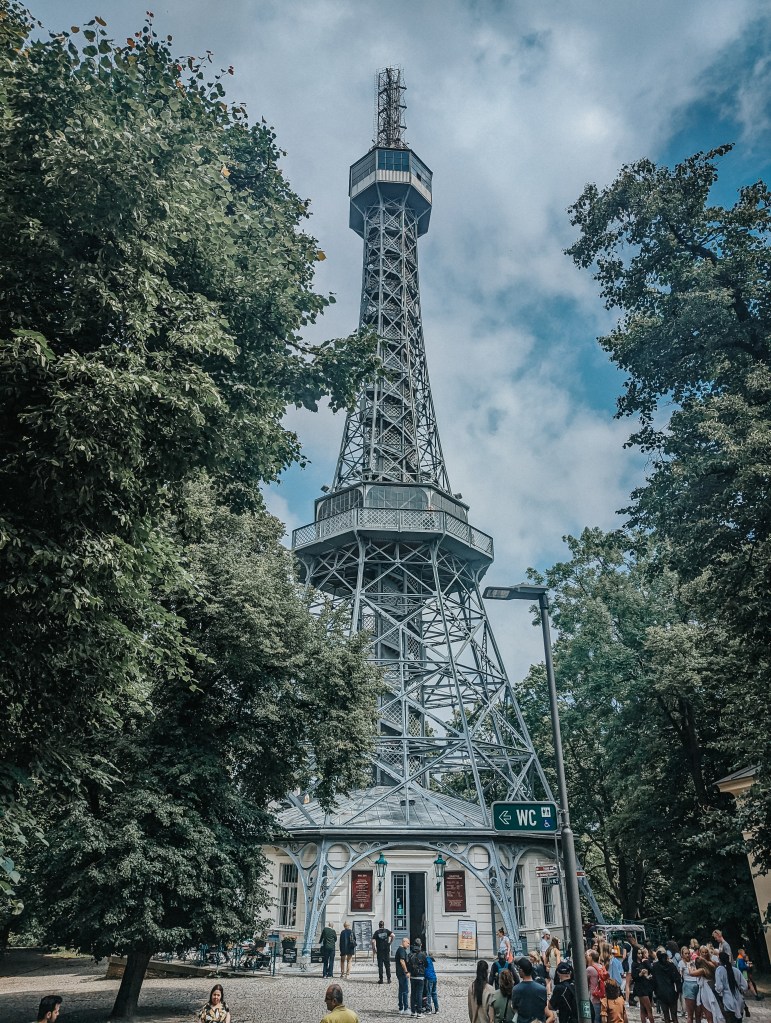
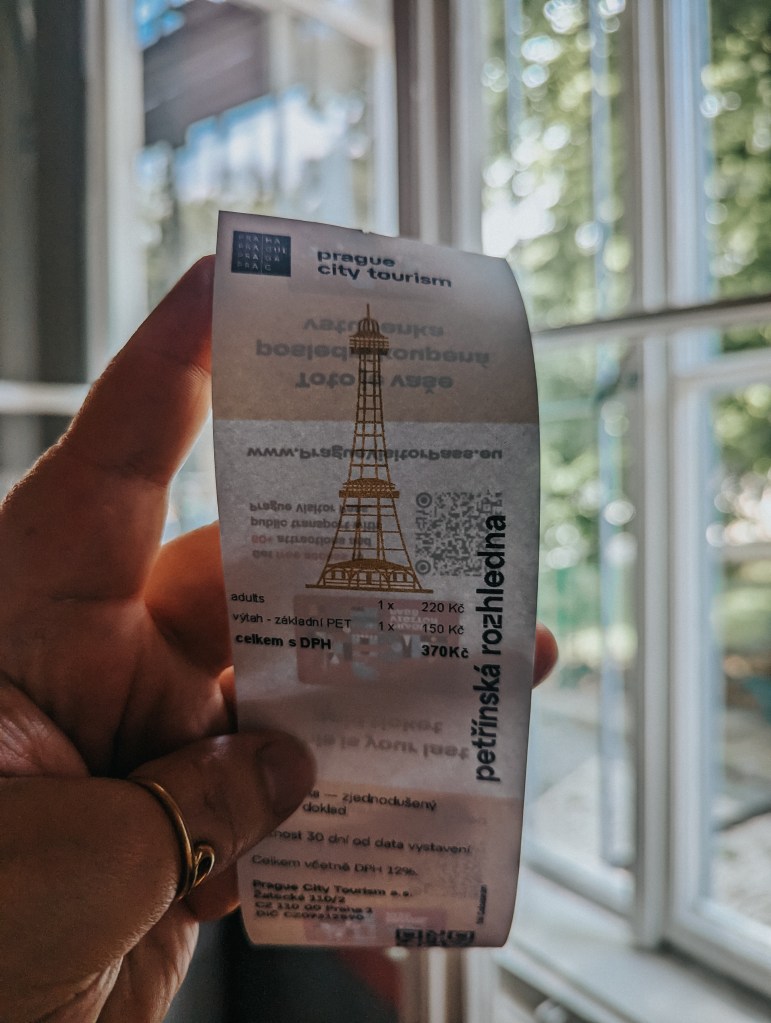
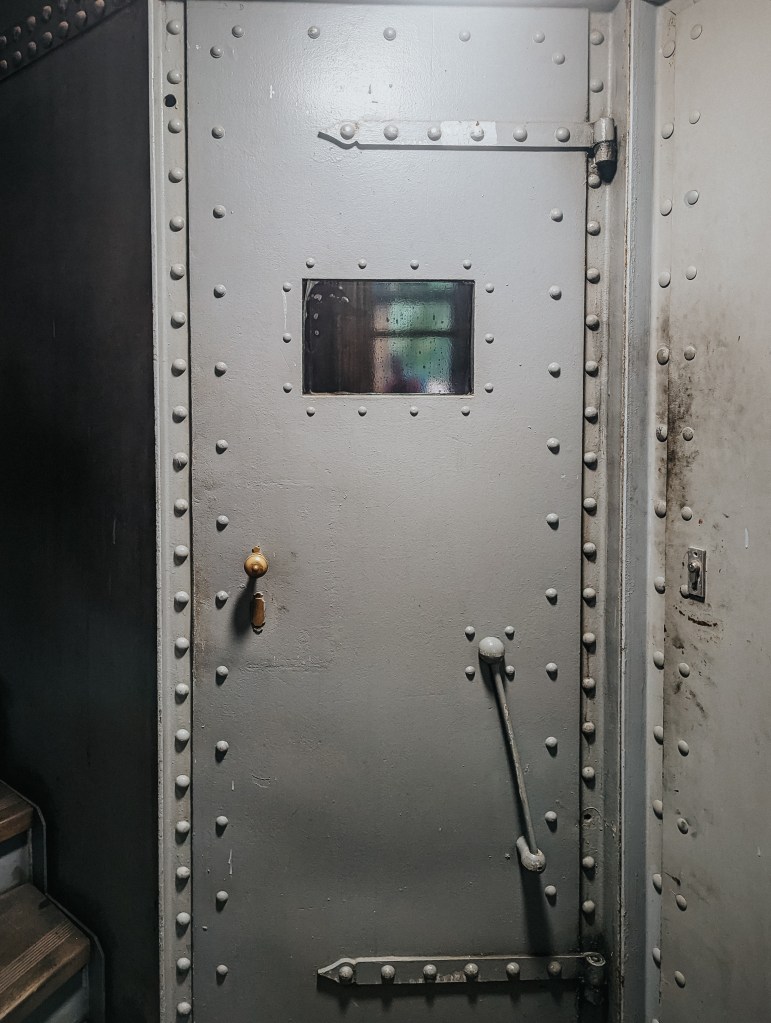
Petřín Tower. Resembling the Eiffel Tower, Petřín Tower offers panoramic views of Prague. Climb the stairs or take the lift to the top for breathtaking vistas. The tower, built for the 1891 Jubilee Exhibition, stands 63.5 meters tall, and its location on Petřín Hill means it offers some of the best views of Prague. On clear days, you can see far beyond the city limits.
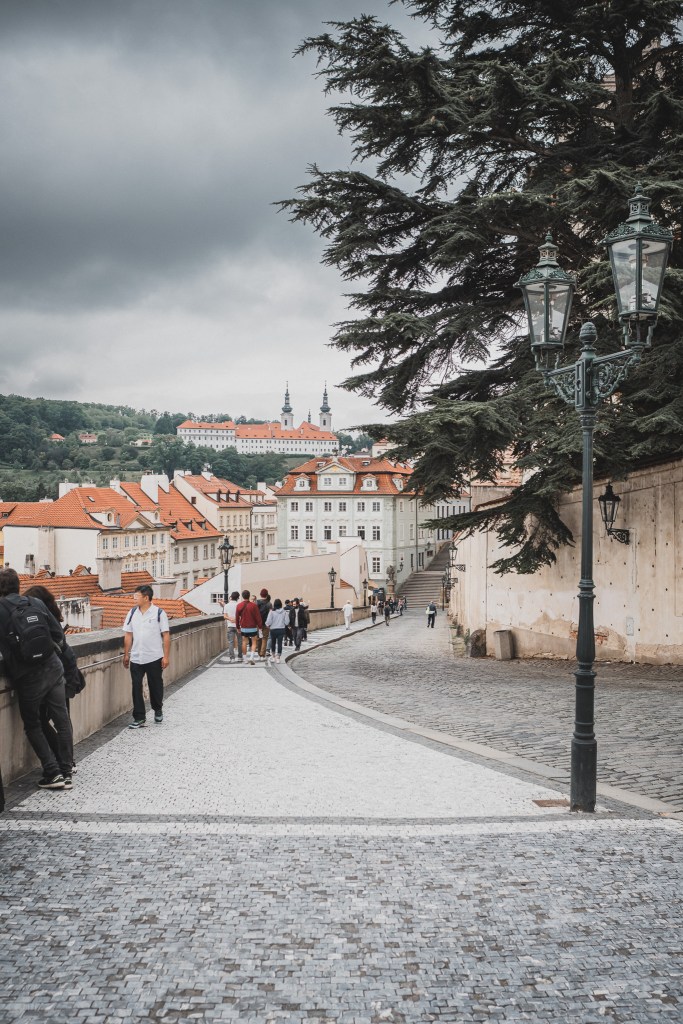
Strahov Monastery. This historic monastery is known for its beautiful library, which houses a vast collection of ancient books and manuscripts. The Theological and Philosophical Halls are particularly impressive, with their ornate ceilings and rows of old volumes. The monastery also has a brewery where you can taste traditional Czech beer brewed by the monks.
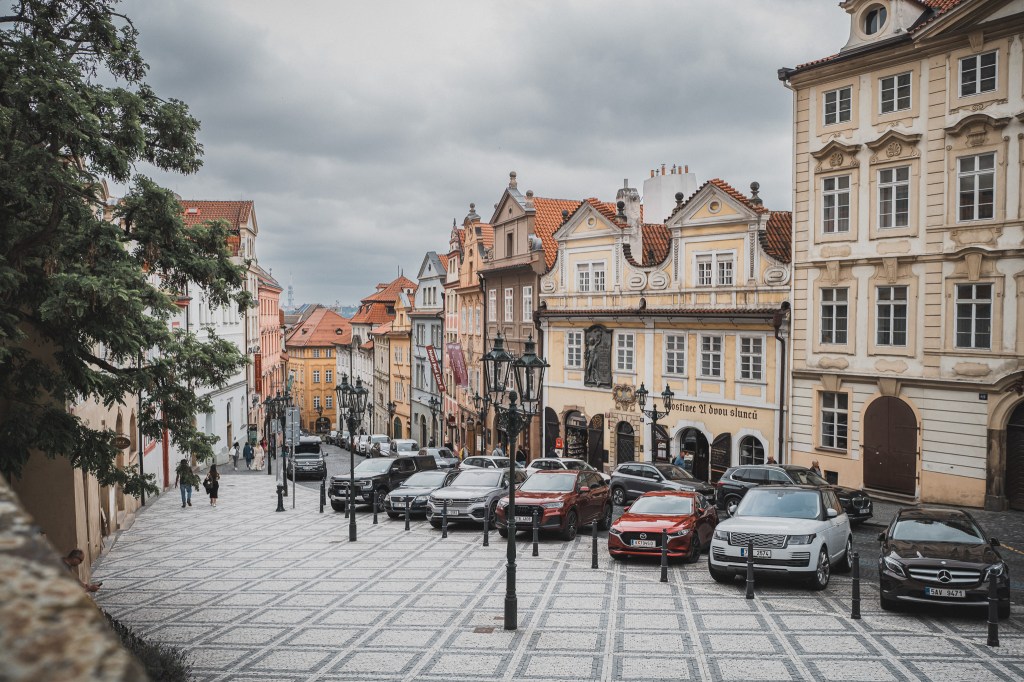
Nerudova Street. A charming, historic street in Malá Strana, Nerudova Street is lined with Baroque buildings and quaint shops. It’s part of the Royal Route to Prague Castle. The street is named after the Czech writer Jan Neruda, and it’s known for its beautifully decorated facades and historic house signs, which were used before the introduction of street numbers.
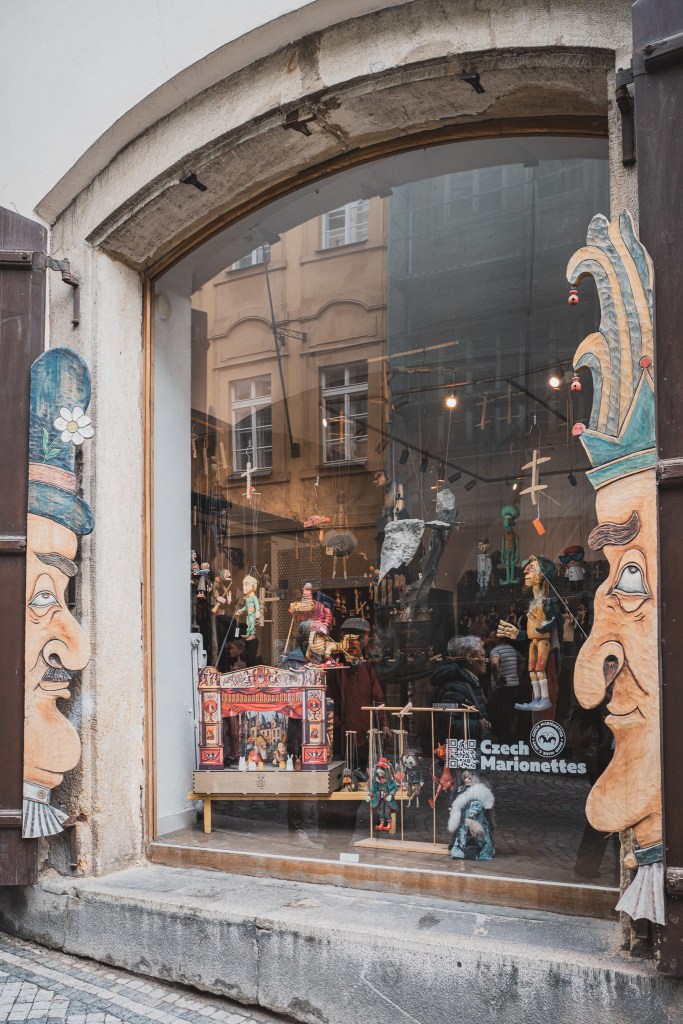
Czech marionettes are a traditional craft, and you can find puppet shops and theatres throughout Prague. They make for unique souvenirs and entertainment. Marionette theatre is a cherished art form in the Czech Republic, and performances often feature stories from Czech folklore and classical literature. The puppets themselves are beautifully crafted and make for charming, one-of-a-kind gifts.
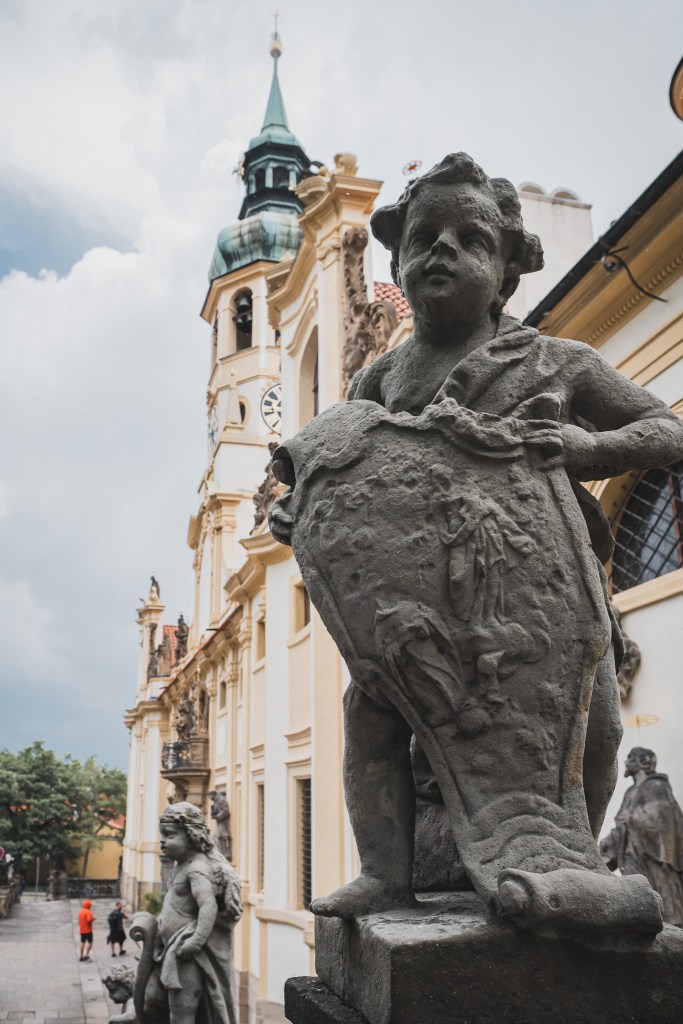
Loreta Church. This Baroque church and pilgrimage site is renowned for its stunning architecture and the Treasury, which contains precious religious artifacts. The church complex includes a replica of the Santa Casa (Holy House), a clock tower with a famous chime, and beautifully decorated chapels. The Treasury’s highlight is the Diamond Monstrance, adorned with over 6,000 diamonds.
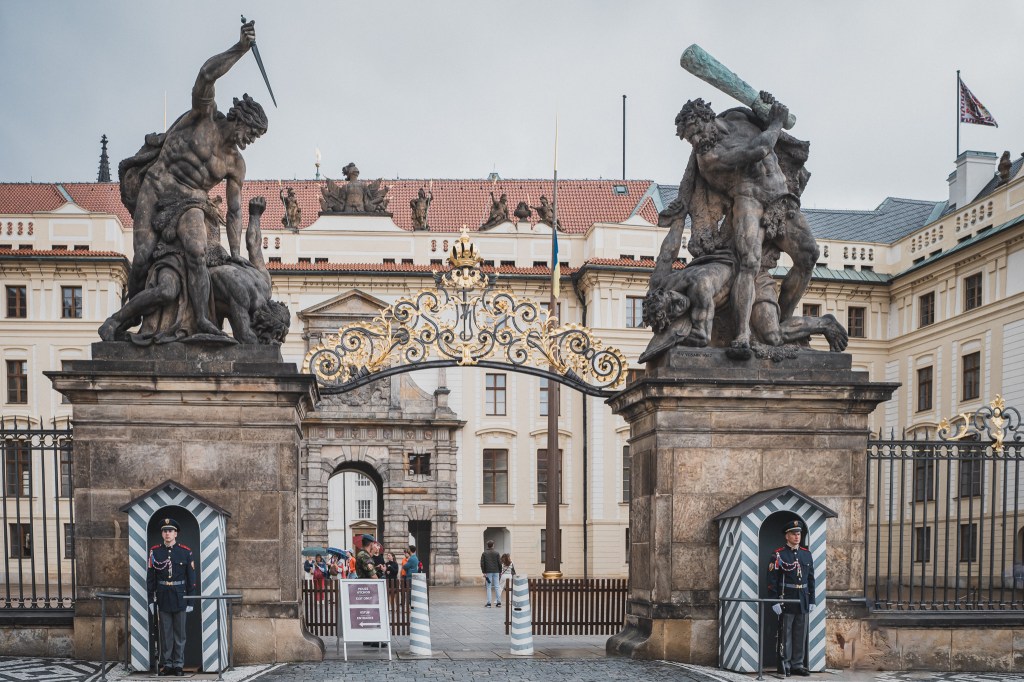
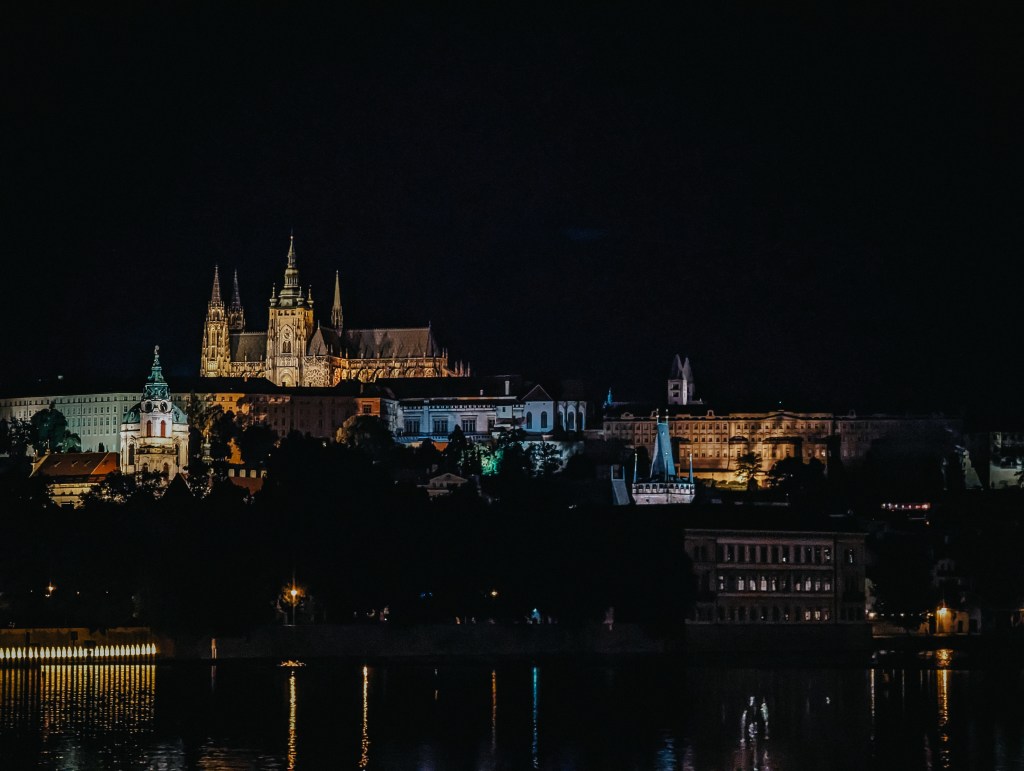
Prague Castle is a sprawling complex that includes the Old Royal Palace, St. Vitus Cathedral, and the Golden Alley. It’s the largest ancient castle in the world and offers spectacular views of the city. The castle has been the seat of Czech kings, emperors, and presidents for over a thousand years. Exploring the castle grounds reveals layers of history, stunning architecture, and cultural treasures.
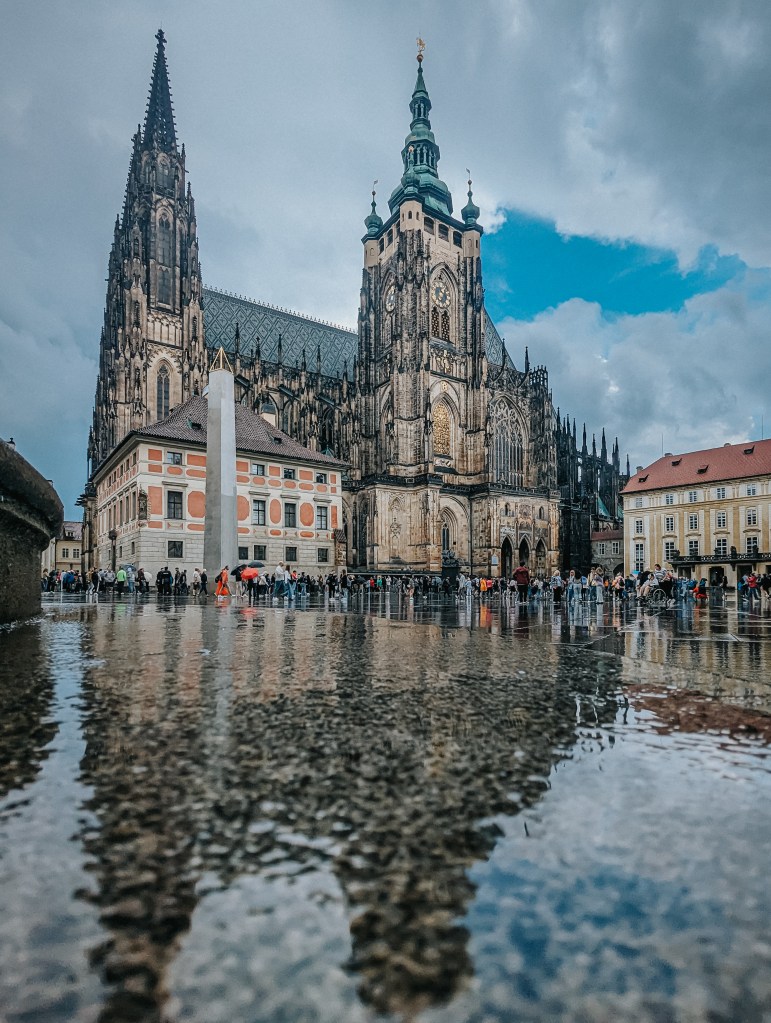
St. Vitus Cathedral. This Gothic cathedral within Prague Castle is known for its stunning architecture, beautiful stained glass windows, and the tombs of Czech kings and saints. The cathedral’s soaring spires and intricate details make it a masterpiece of Gothic design. Inside, visitors can admire the beautiful Rose Window, the St. Wenceslas Chapel, and the grand tombs of Bohemian kings and Holy Roman Emperors.
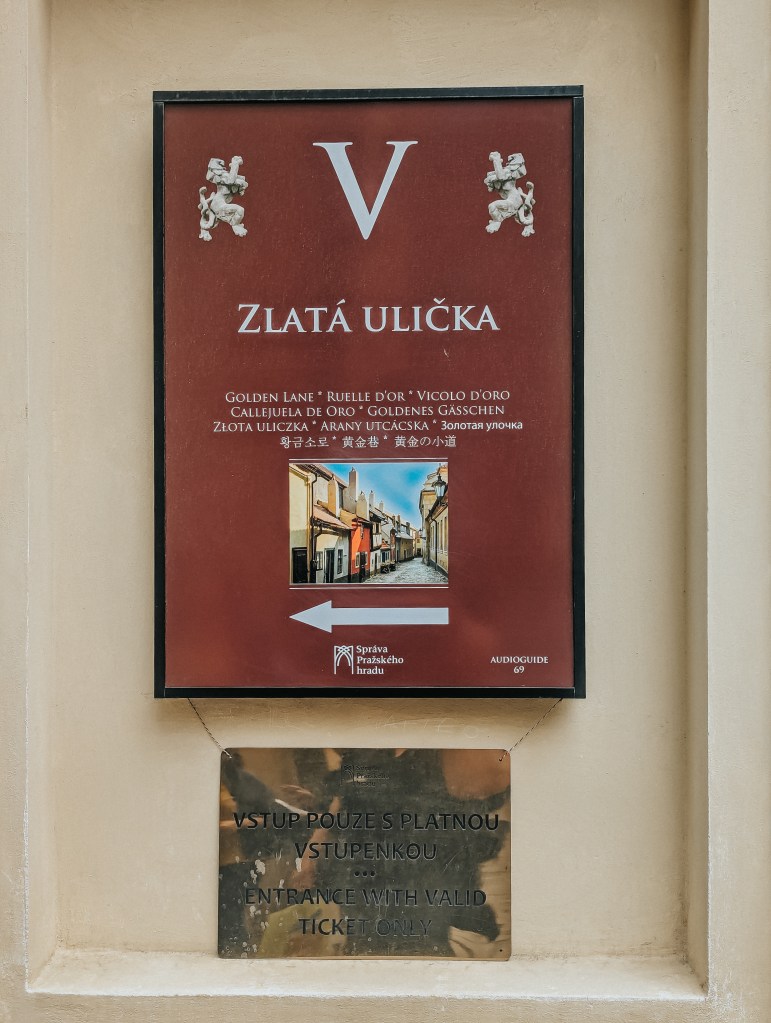
Golden Alley. A charming street within Prague Castle, Golden Alley is famous for its tiny, colourful houses. Visit after 5 pm for free entry, otherwise, a ticket is required. The alley was once home to castle guards and goldsmiths, and its picturesque houses are now filled with shops and exhibits. Franz Kafka briefly lived in one of the houses, adding to the alley’s historical allure.
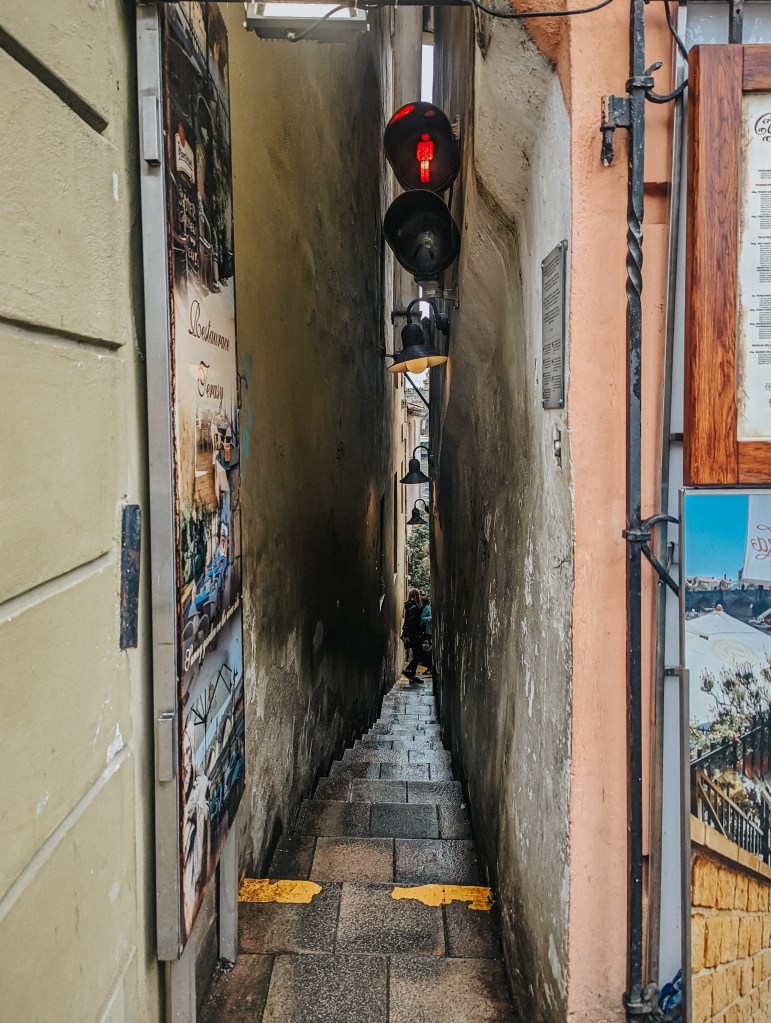
The Narrowest Street. Located in Malá Strana, this narrow alleyway is just over 50 cm wide and has traffic lights to manage pedestrian flow. Known as “Vinarna Certovka,” the street is a fun curiosity and a great photo opportunity. It’s a unique and quirky aspect of Prague’s urban landscape, reflecting the city’s charming and sometimes whimsical character.
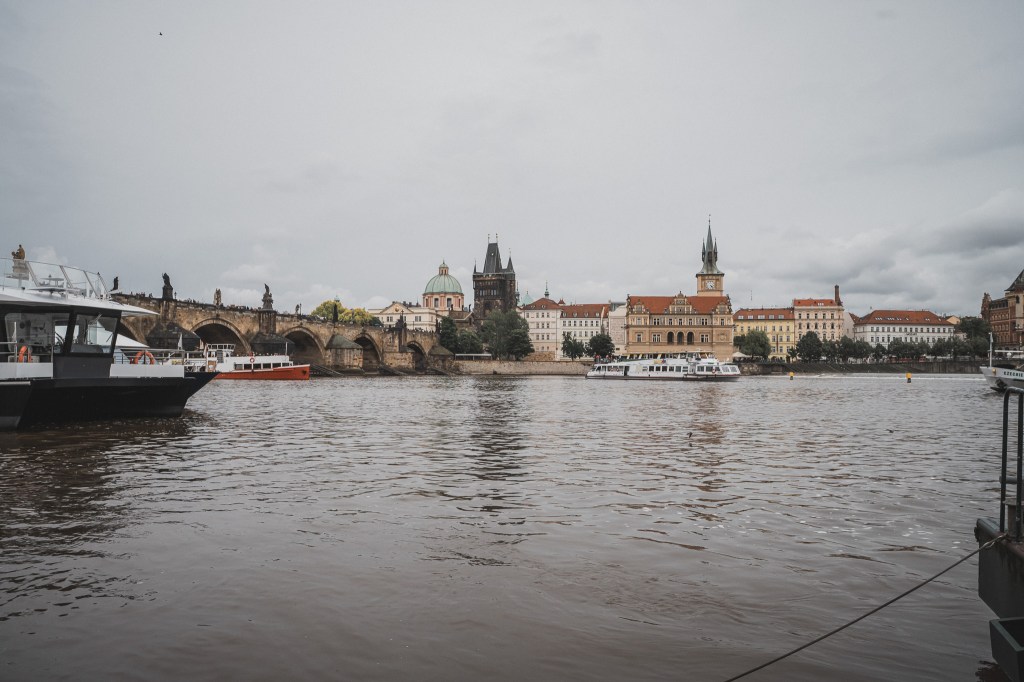
Kampa Island, located in the Vltava River, is known for its picturesque park, art installations, and charming waterfront views. The island is separated from the Lesser Town by a narrow artificial channel known as the Devil’s Stream. It’s a lovely place to walk, relax, and enjoy the peaceful atmosphere away from the busier parts of the city. The island is also home to the Kampa Museum, which features modern art exhibitions.
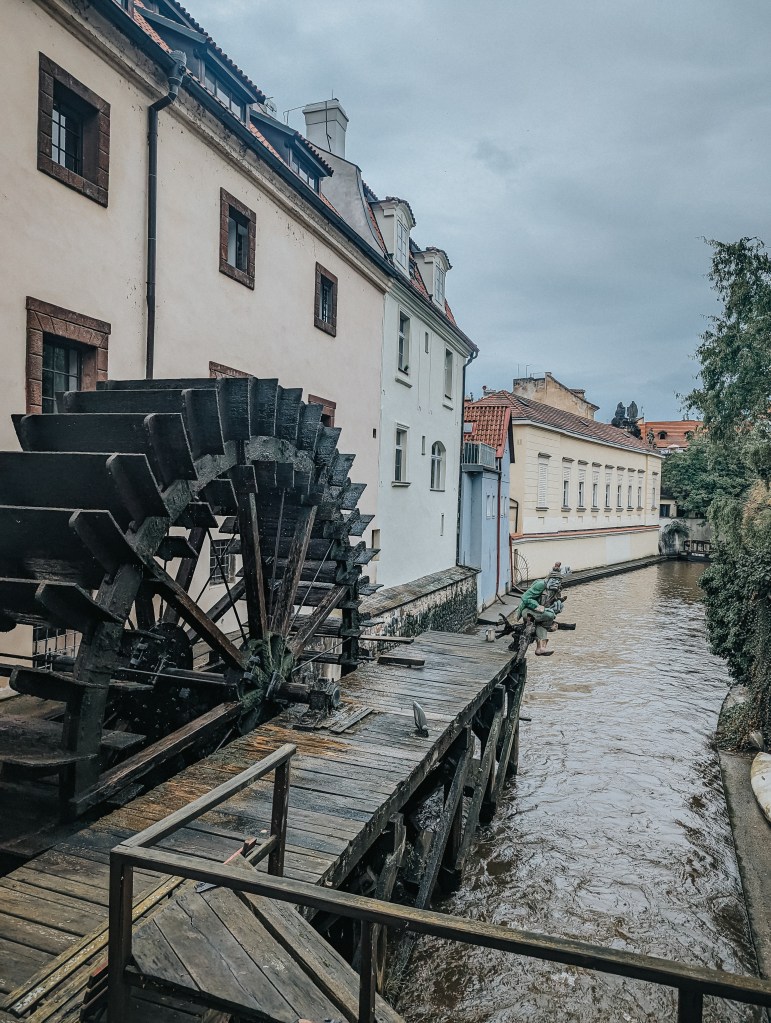
Water Mill with Gremlin. This historic water mill on Kampa Island features a wooden gremlin sculpture known as the Vodník, which adds a whimsical touch to the area. The mill wheel still turns, and the Vodník sculpture is a playful nod to the water spirits of Czech folklore. The mill and its surroundings are a picturesque spot for photographs and a pleasant stop during a walk around Kampa Island.
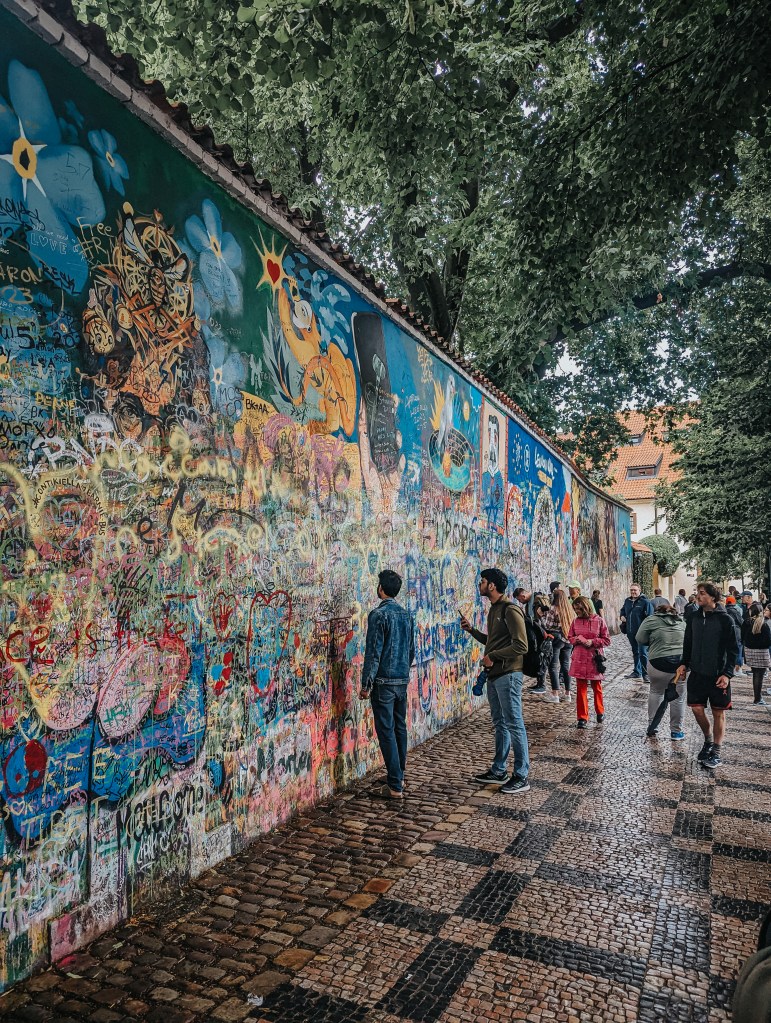
The John Lennon Wall is a colourful mural filled with graffiti and messages of peace and love. It’s a symbol of free expression and a popular photo spot. The wall has been covered with John Lennon-inspired graffiti, lyrics from Beatles’ songs, and messages of global ideals since the 1980s. It’s a constantly changing piece of art, reflecting the voices and dreams of those who visit.
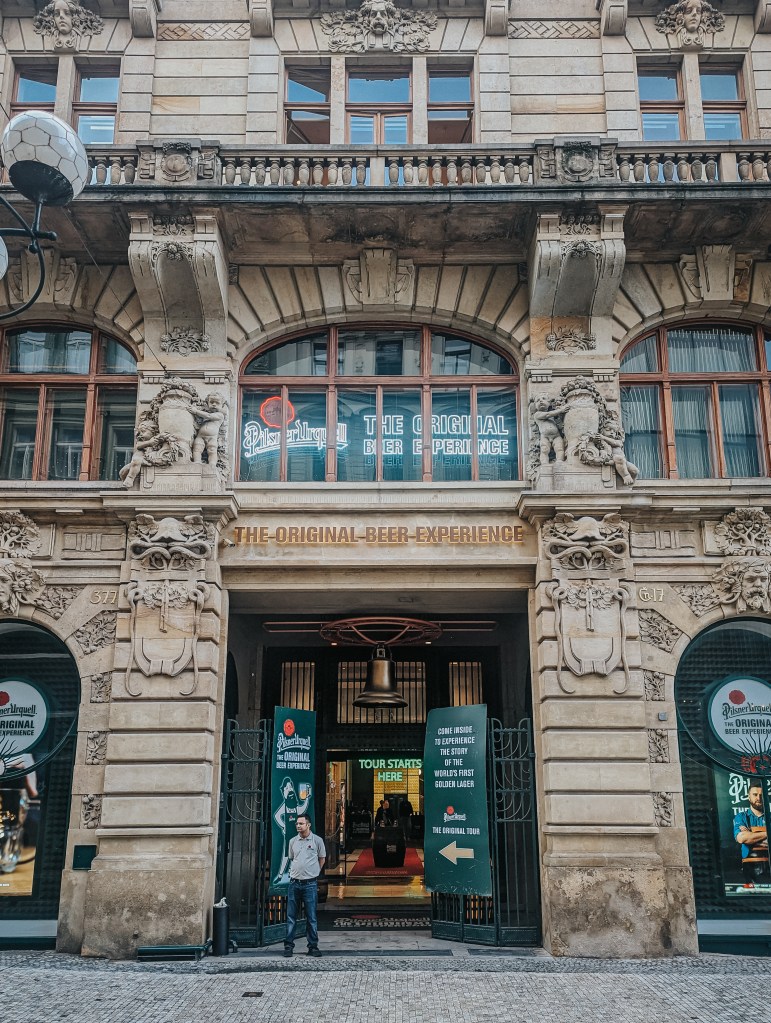
The Beer Museum offers a comprehensive look at the history of Czech beer. Visitors can learn about brewing techniques and sample a variety of traditional and craft beers. The museum’s exhibits cover the development of brewing in the Czech lands, highlighting the importance of beer in Czech culture. Tasting sessions provide an opportunity to try different styles and flavours, making it a must-visit for beer enthusiasts.
Find Prague Quirky Statues
Prague is home to many quirky statues, including:
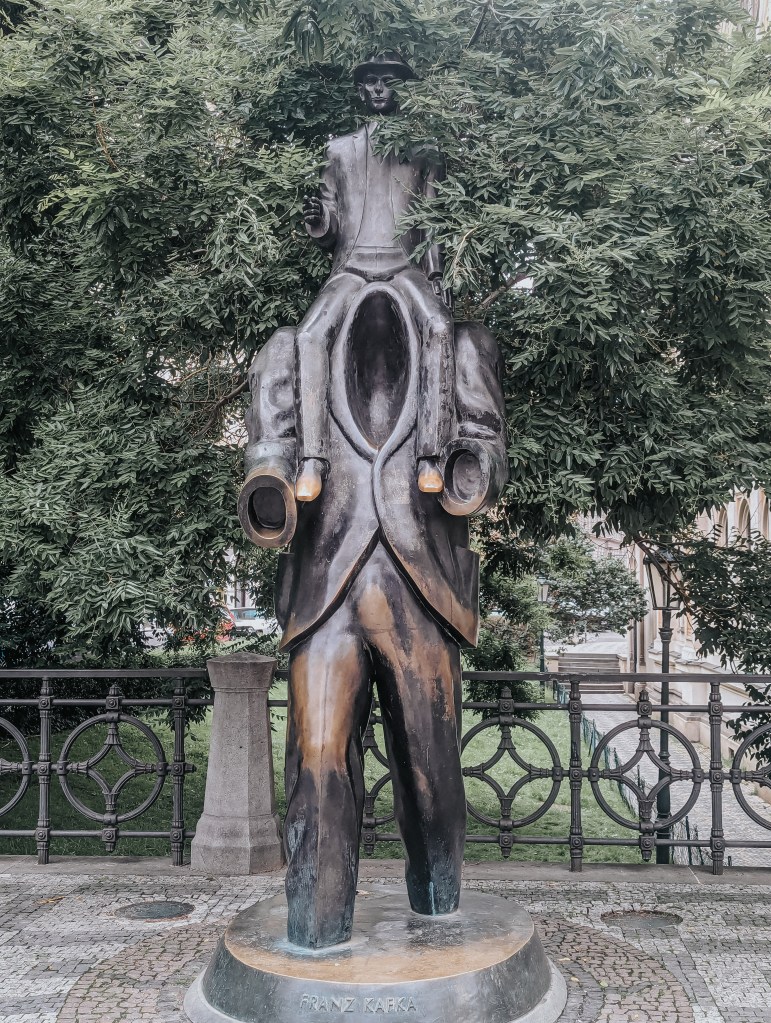
- Memorial to Franz Kafka: A striking sculpture by Jaroslav Róna that represents Kafka’s surrealist and introspective themes.
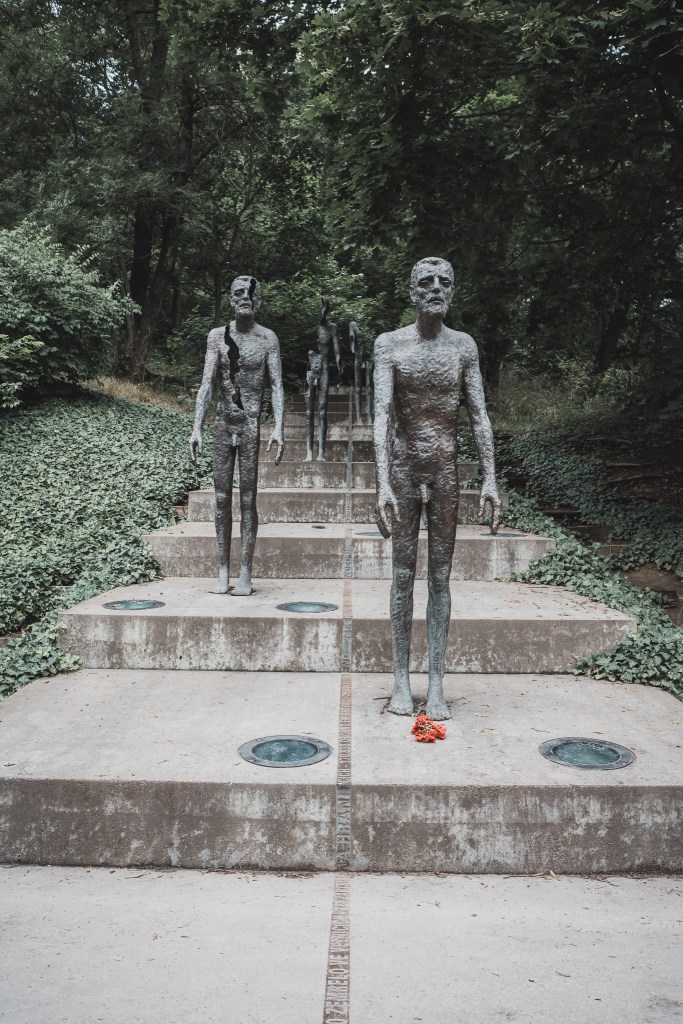
- Memorial to the Victims Of Communism: A series of bronze figures by Olbram Zoubek that symbolize the suffering of those persecuted under communist rule.
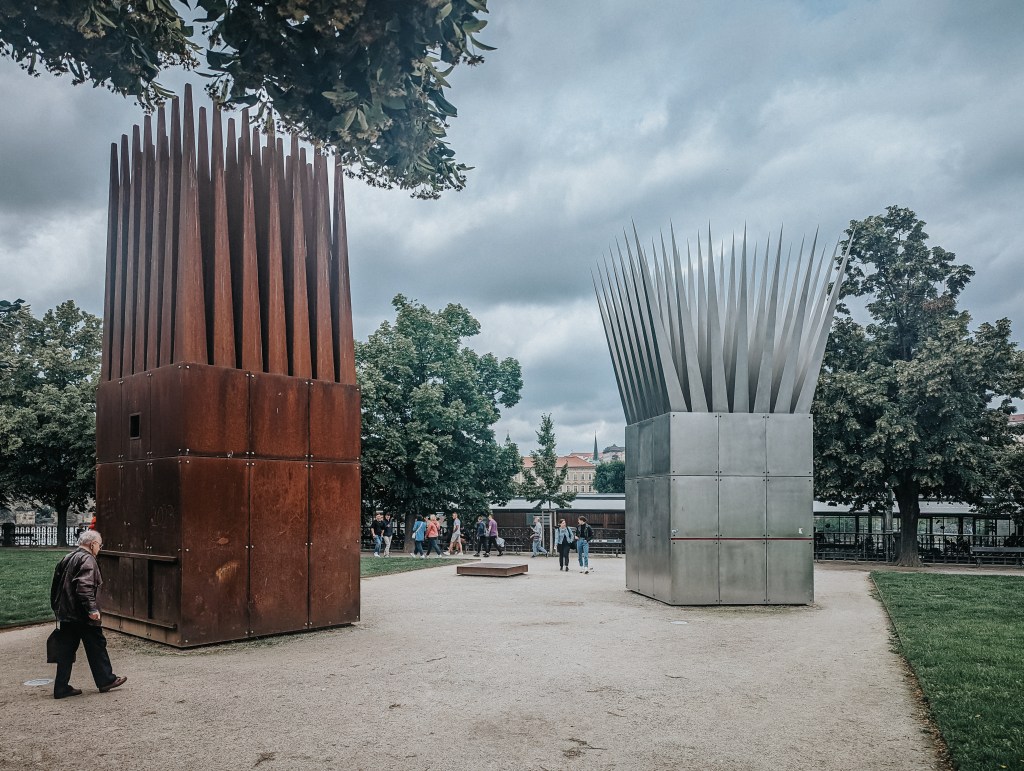
- The House of Suicide And The Mother of The House of The Suicide: Artworks by Magdalena Jetelová, representing the tragic story of Jan Palach’s protest against the Soviet invasion.
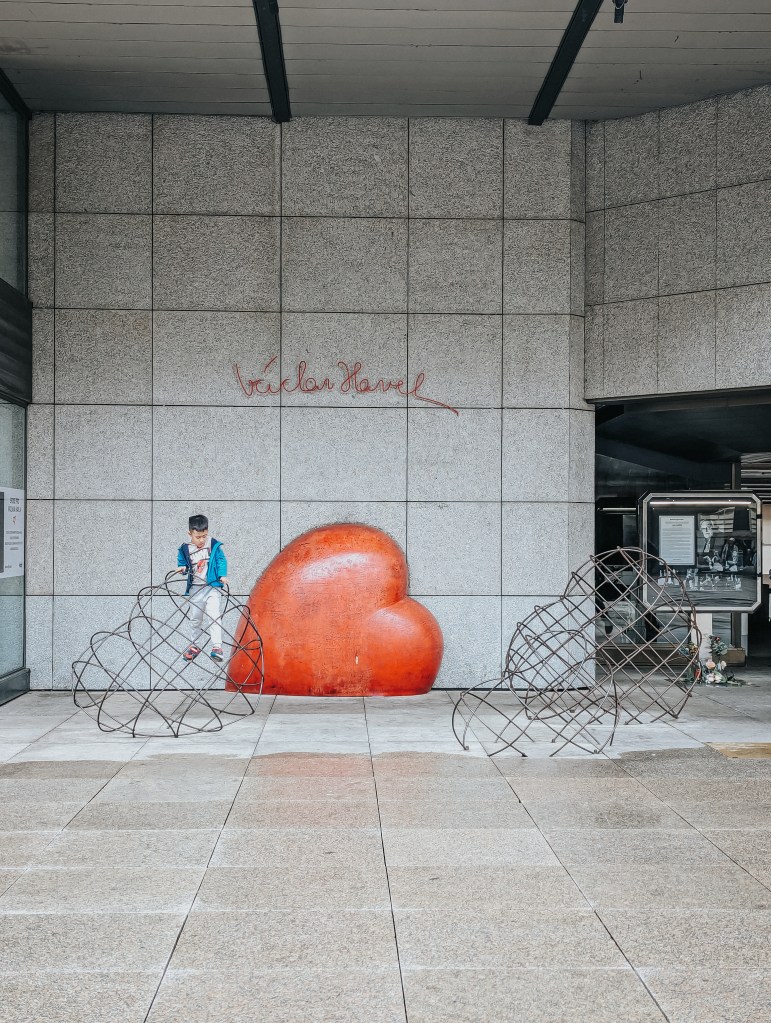
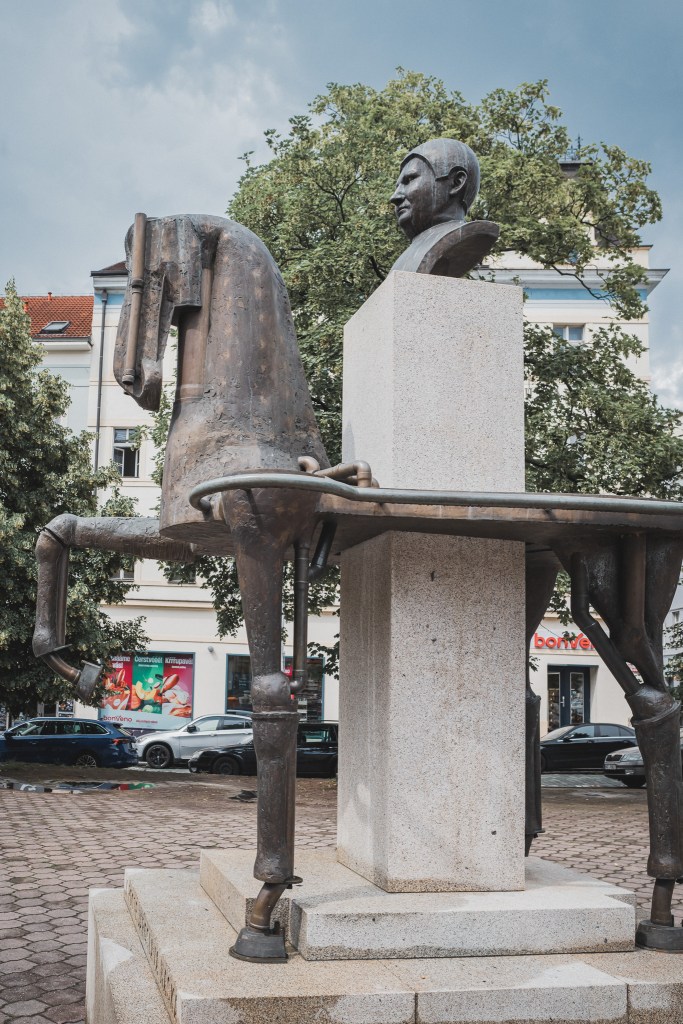
- Václav Havel sculpture by Kurt Gebauer: A modern tribute to the former president and playwright, reflecting his impact on Czech history.
- Public art display in Kampa park and museum: Featuring contemporary works that engage with their natural surroundings.
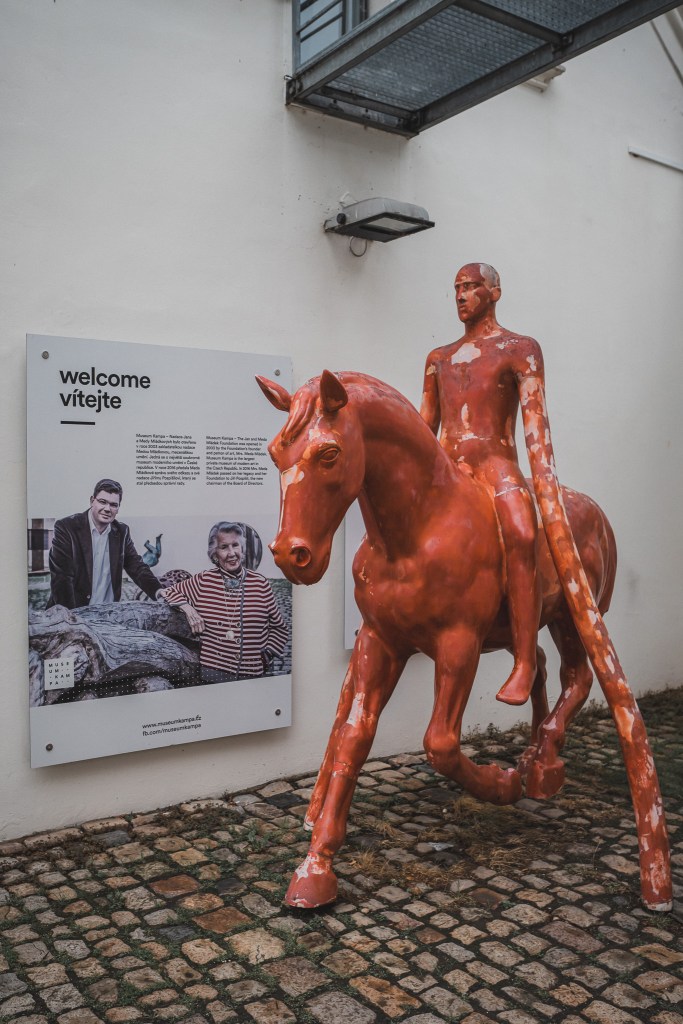
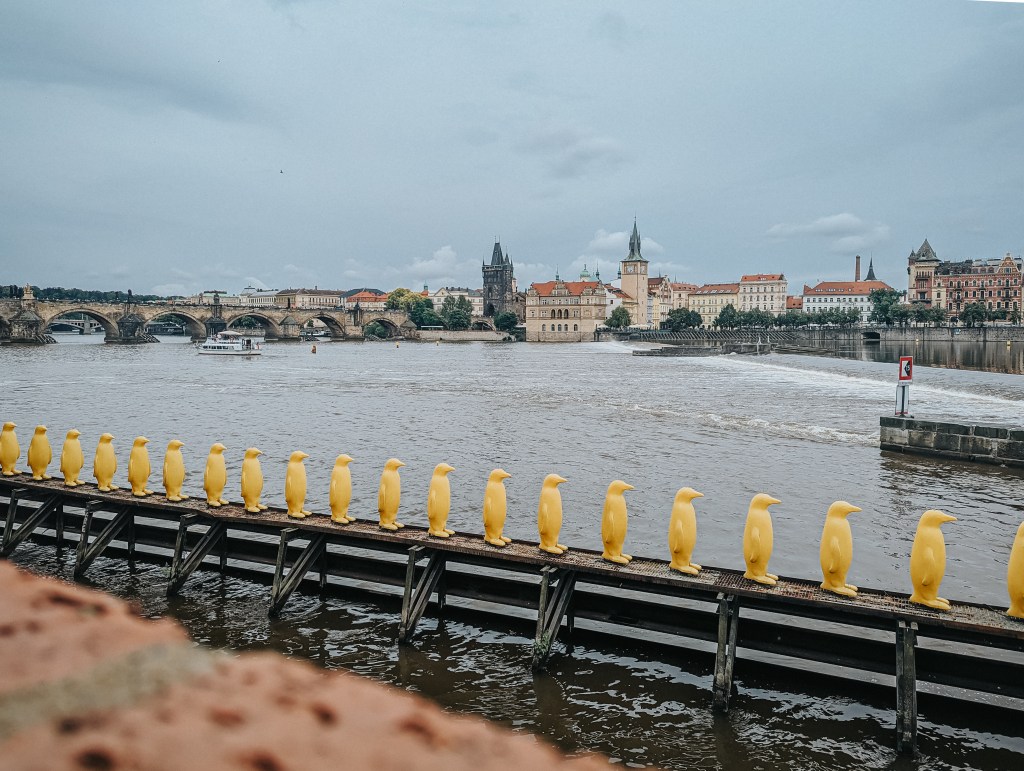
- Penguin installation: A row of brightly coloured penguin statues on a pier near the Kampa Museum, adding a whimsical element to the riverside.
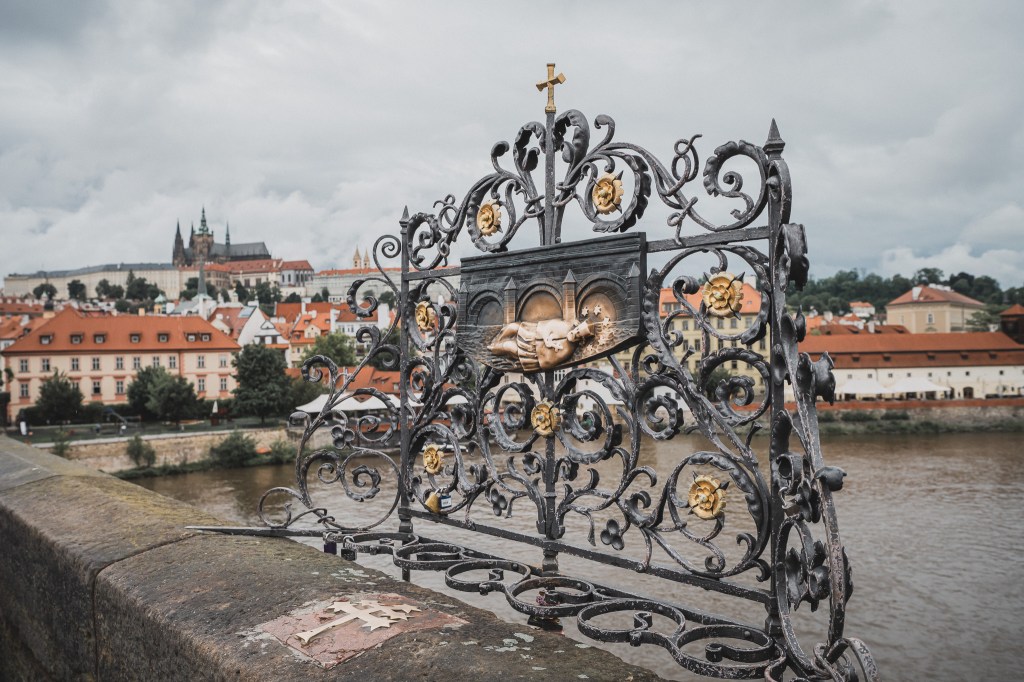
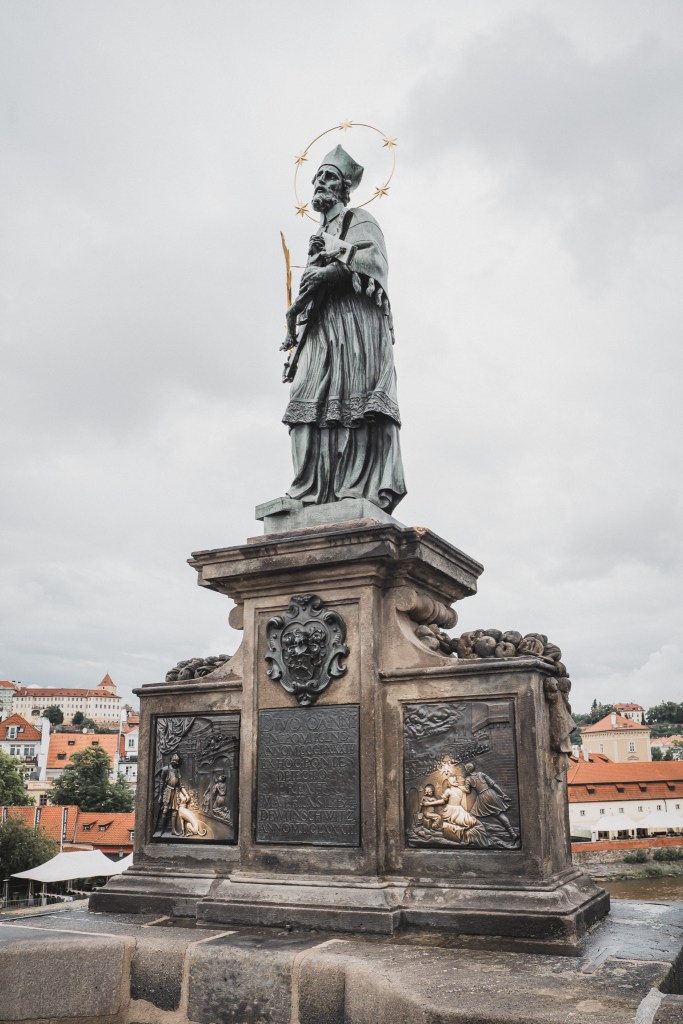
- Good luck statues on Charles Bridge: Touching certain statues on the bridge is said to bring good luck, making them a popular attraction for visitors.
- Hasleruv Pomnik. This monument honours Karel Hašler, a beloved Czech songwriter, actor, and director. It’s located on Petřín Hill. Hašler was a significant figure in Czech culture, and the monument commemorates his contributions to music and film. The statue stands in a serene spot, offering a peaceful place to remember this influential artist.
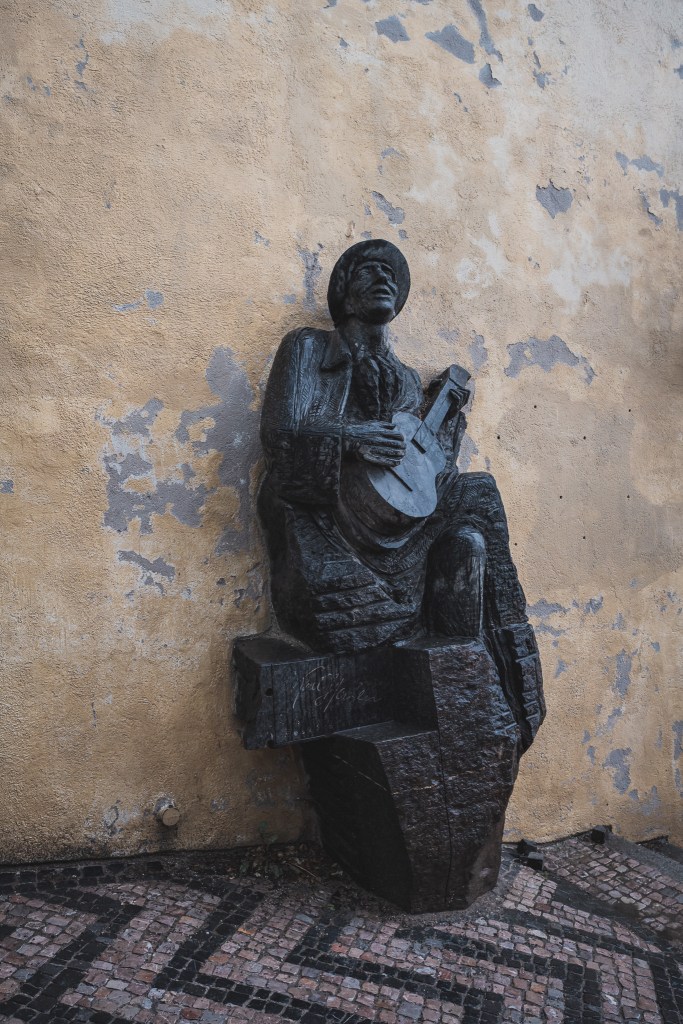
- Vinok: Sculpture honours Ukrainian Mothers.
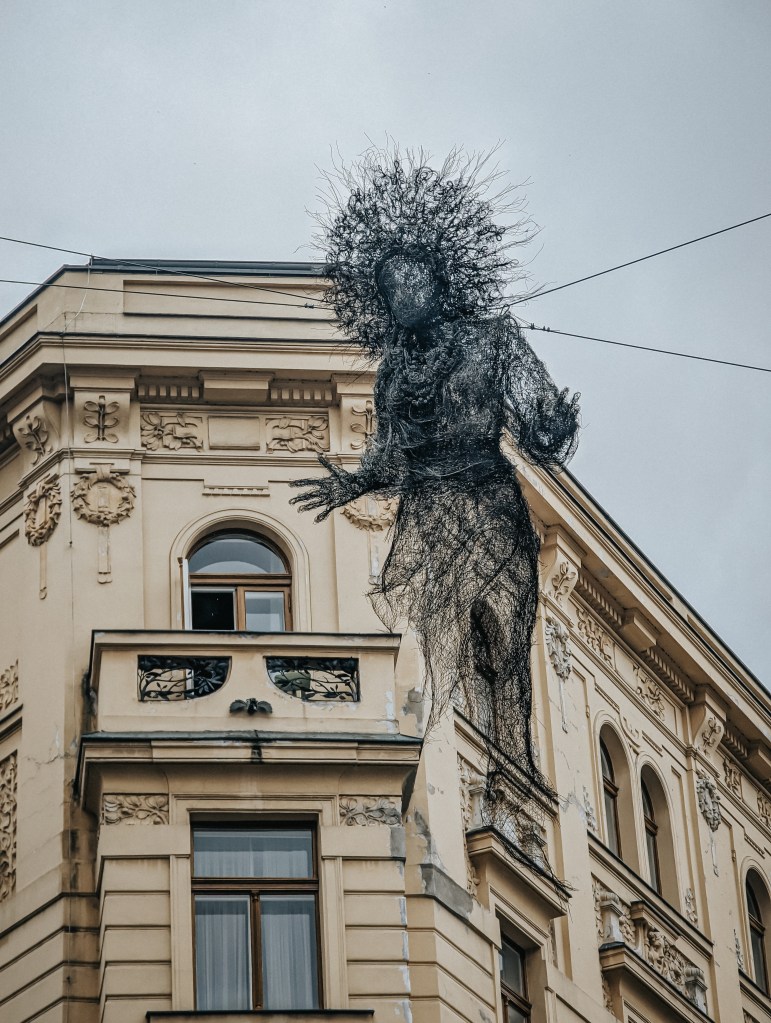
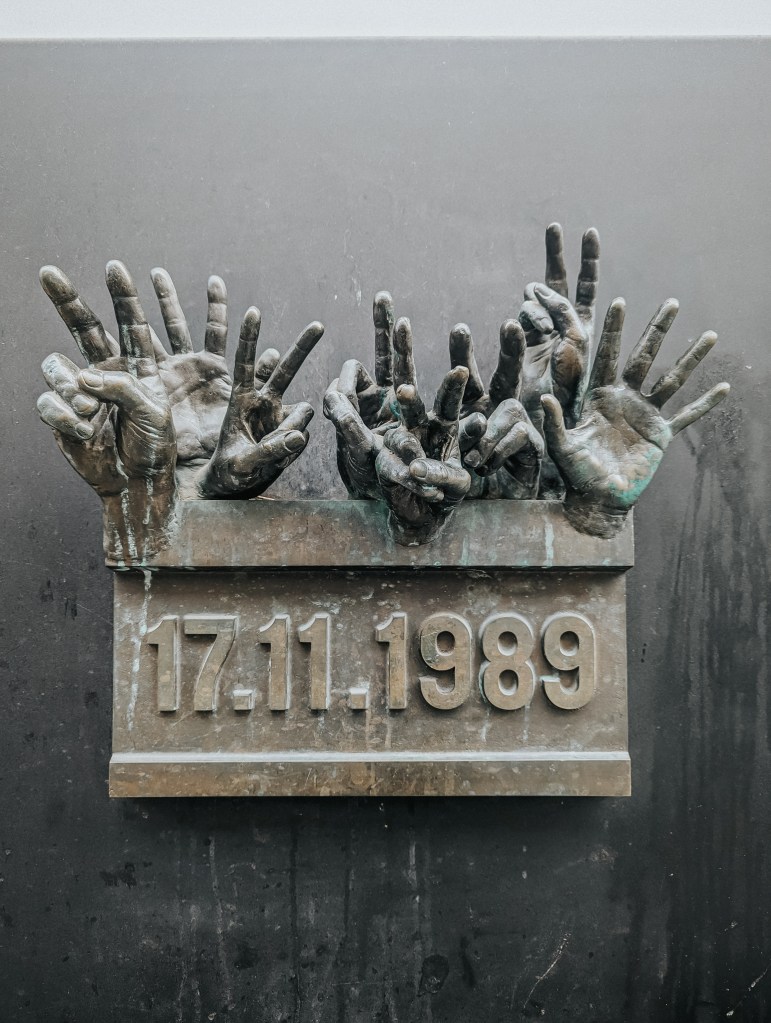
- Hands reaching out of the wall on Národní Třída: Symbolic of the struggle for freedom and democracy during the Velvet Revolution.
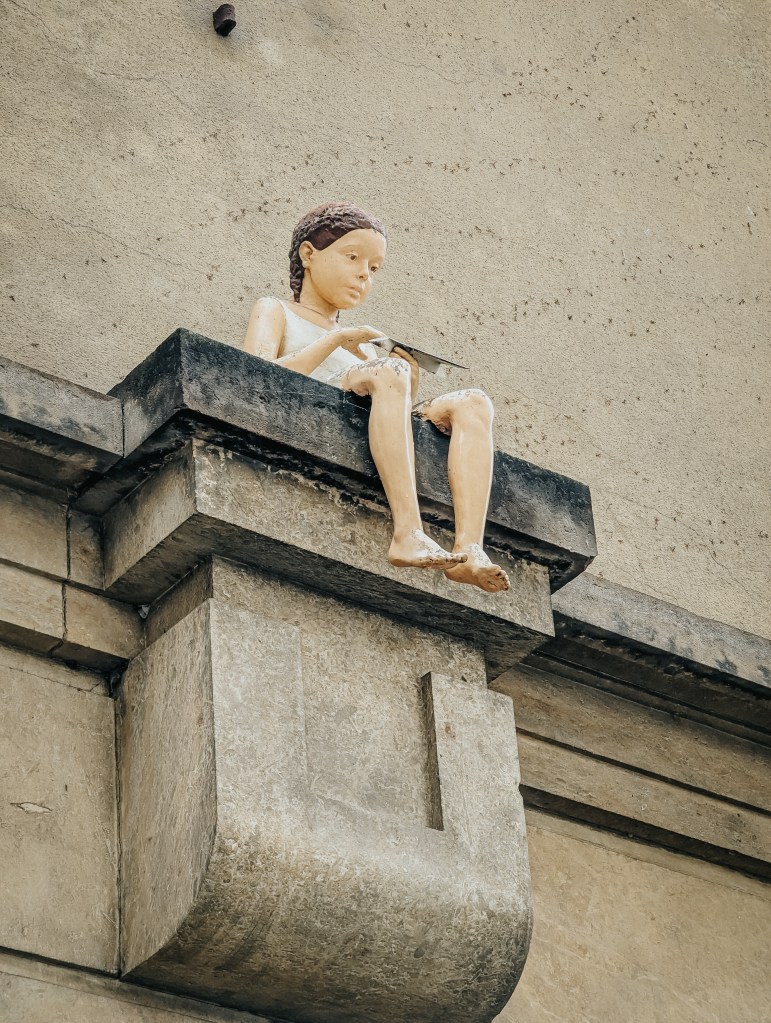
- Divka s Vlastovkou: A charming statue of a girl with a swallow, symbolising hope and renewal.
- Statue of Jaroslav Hašek: Commemorating the famous Czech writer, best known for his satirical novel “The Good Soldier Švejk.”
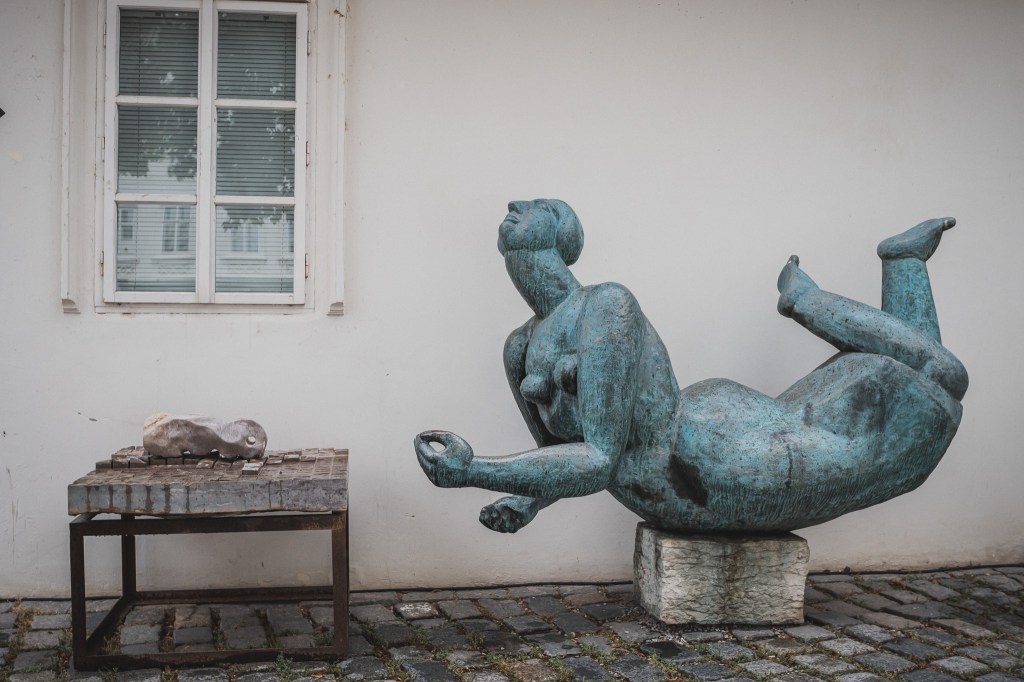
- Dancer: An elegant sculpture that embodies the grace and beauty of dance.
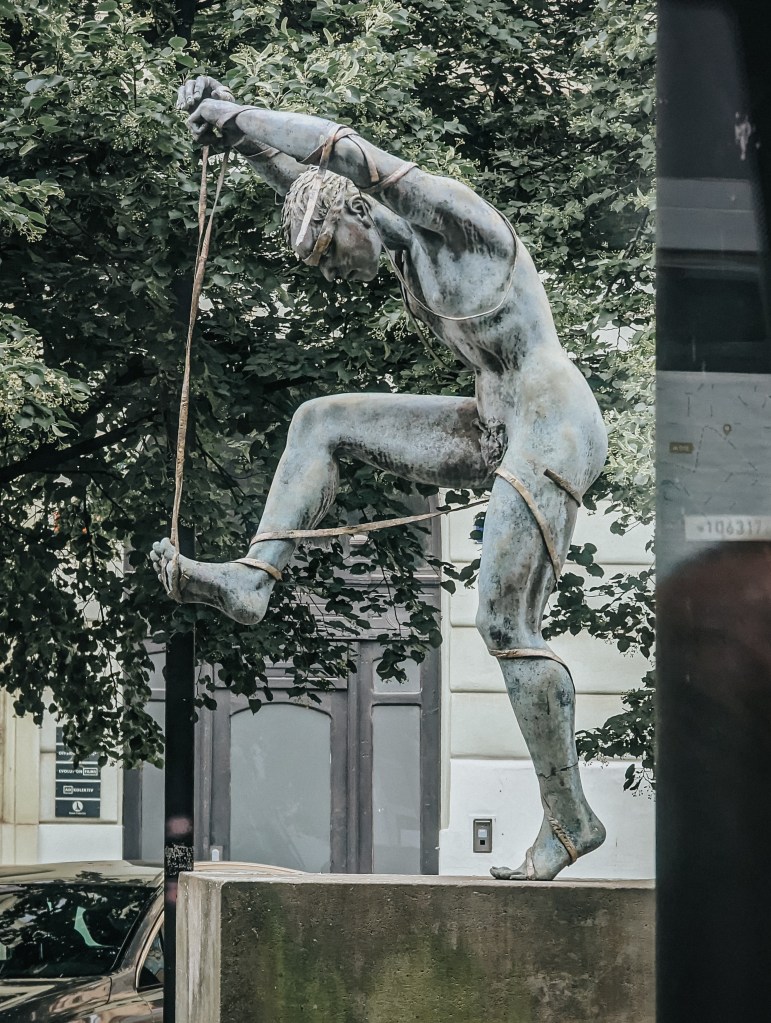
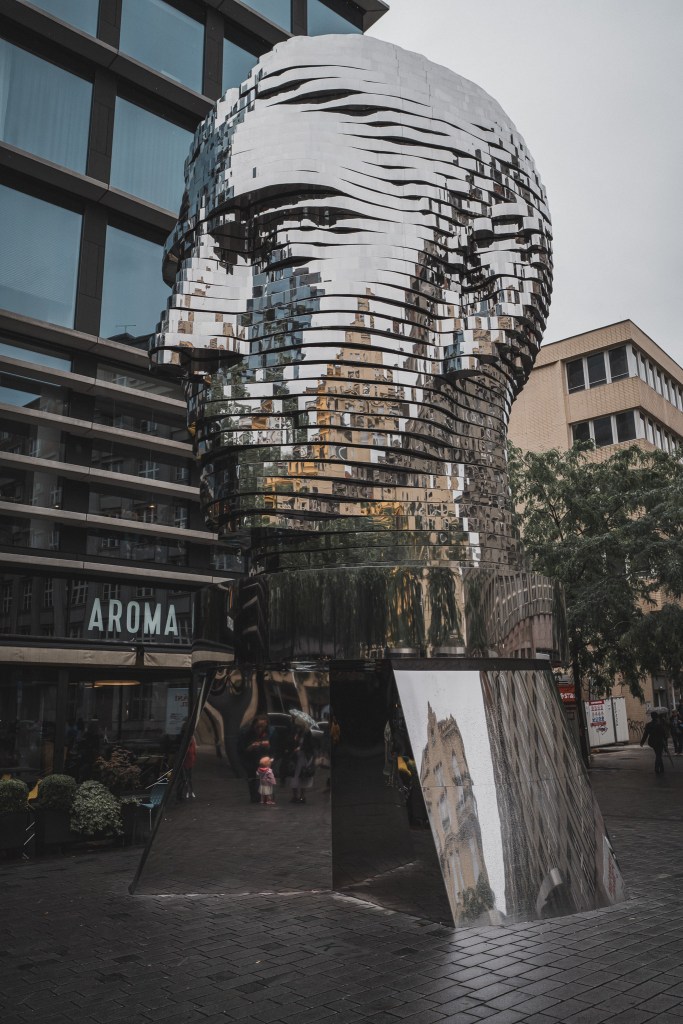
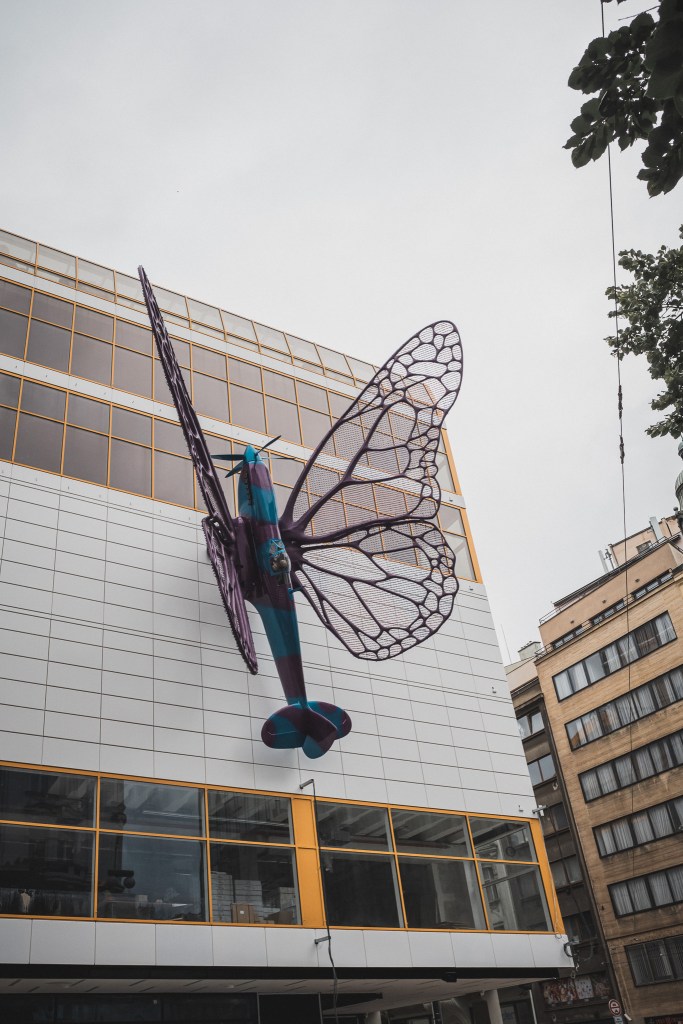
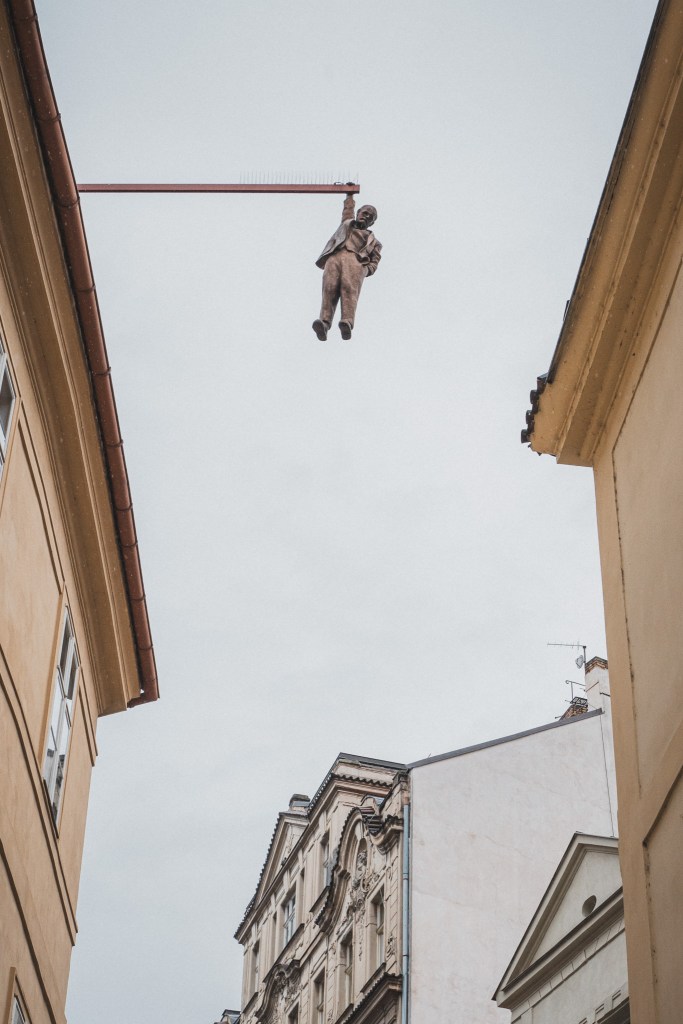
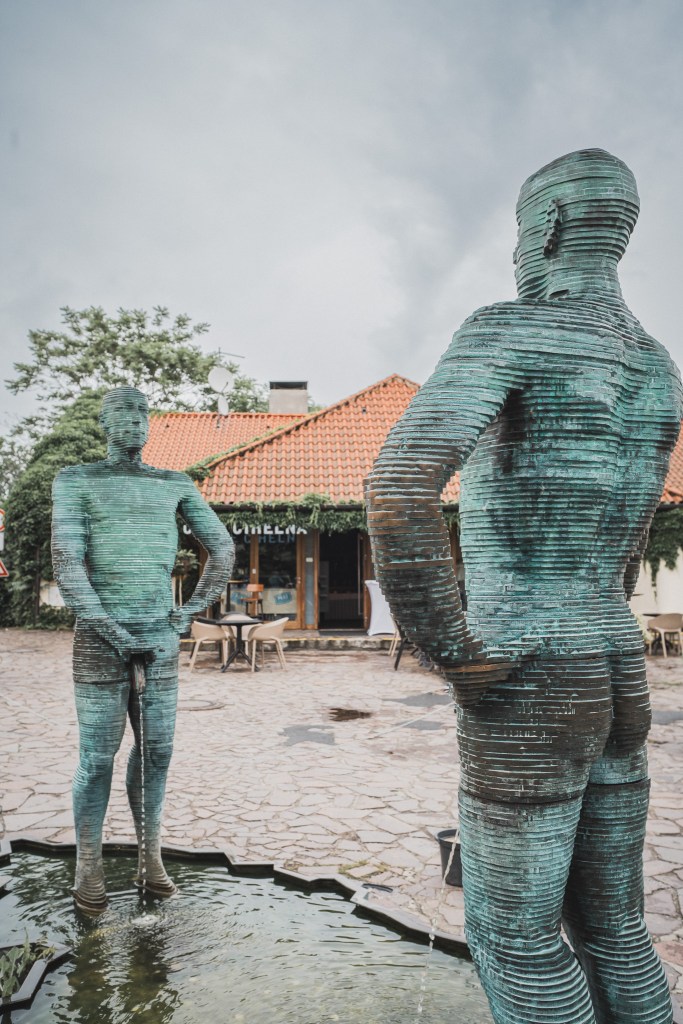
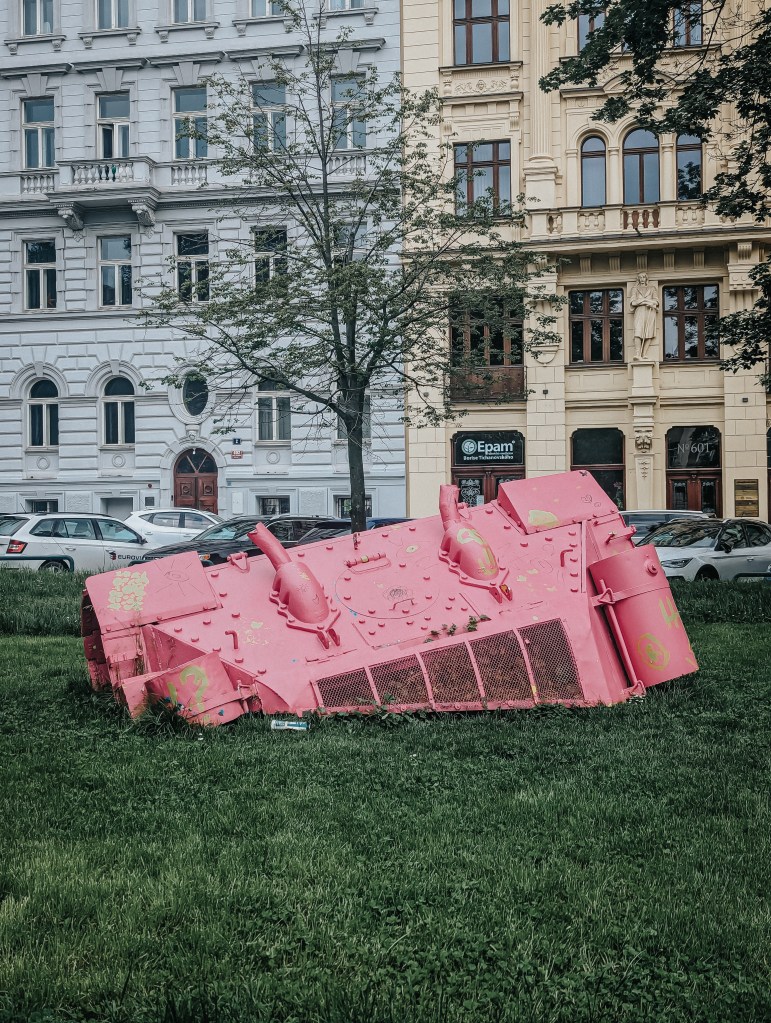
- David Černý’s provocative sculptures are scattered throughout Prague. Notable works include Man Hanging Out, Piss, Head of Franz Kafka, Crawling Babies, King Wenceslas Riding an Upside-Down Dead Horse, Butterfly Effect, and Pink Tank. Each piece challenges viewers with its bold and often humorous commentary on politics, society, and culture. Exploring Černý’s works is like embarking on a treasure hunt through the city, each sculpture revealing a new layer of Prague’s artistic spirit.
What to Eat and Drink in Prague
Prague’s culinary scene is rich and varied, with traditional dishes and local specialties that reflect the city’s cultural heritage. Here are some must-try foods and drinks:
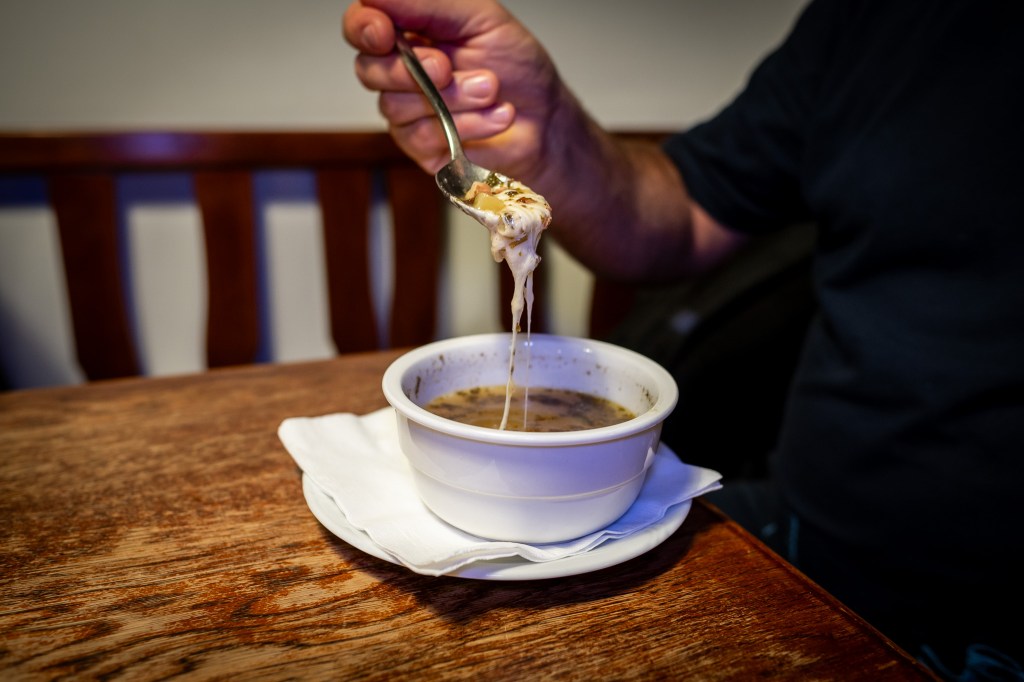
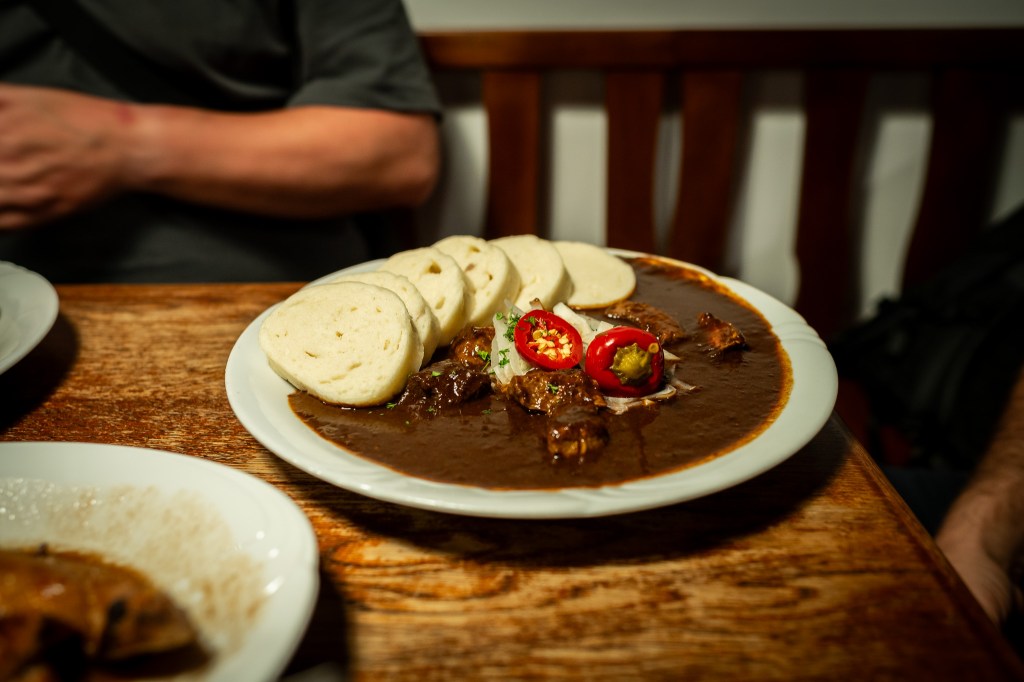
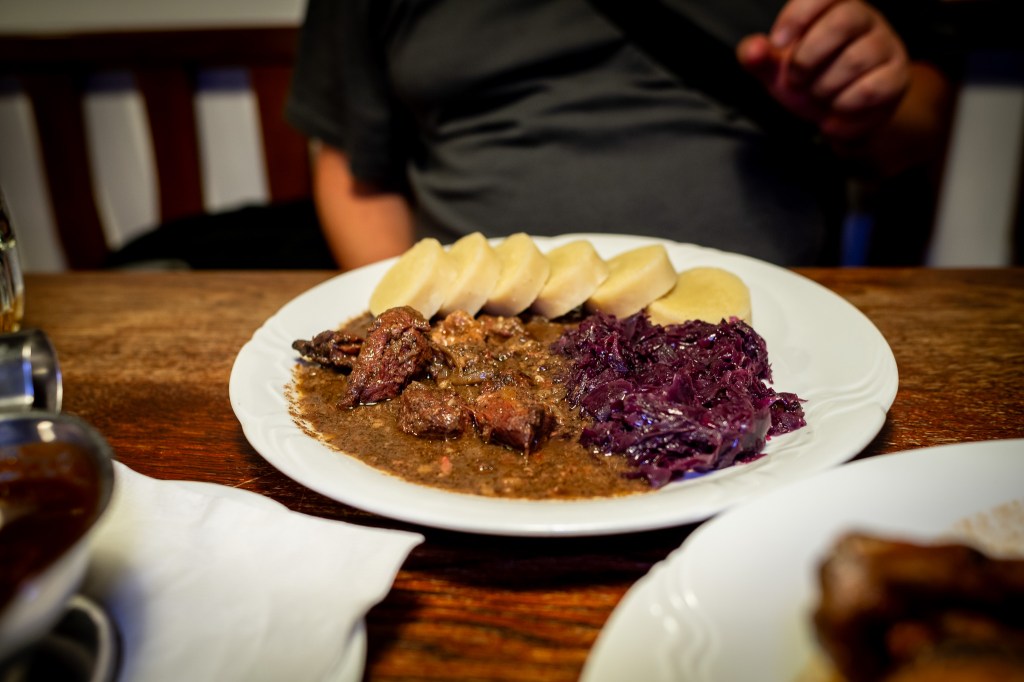
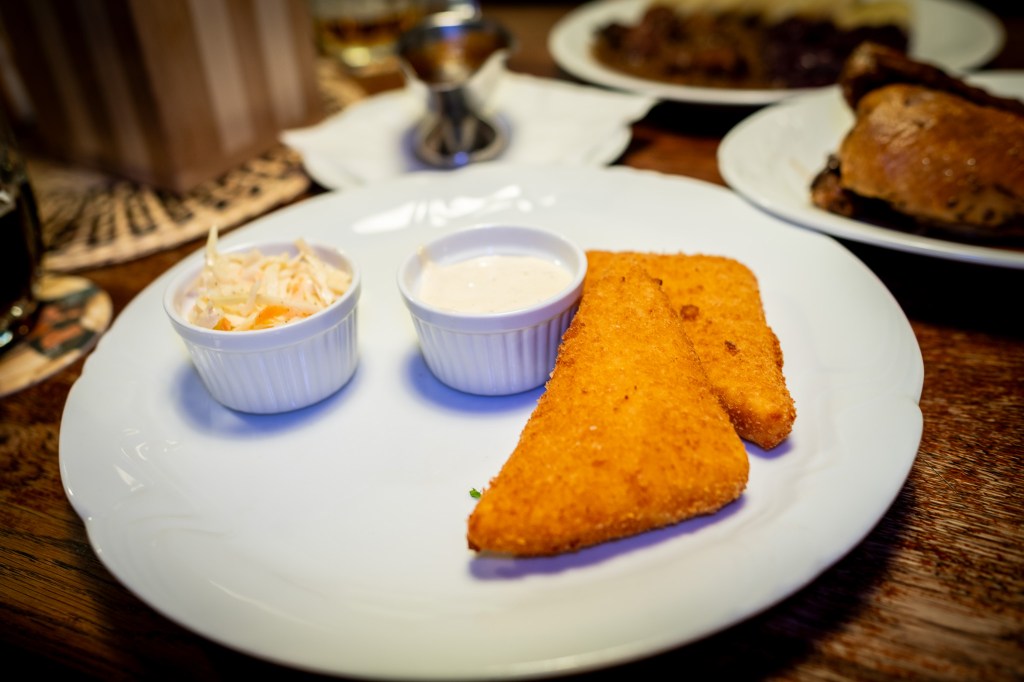
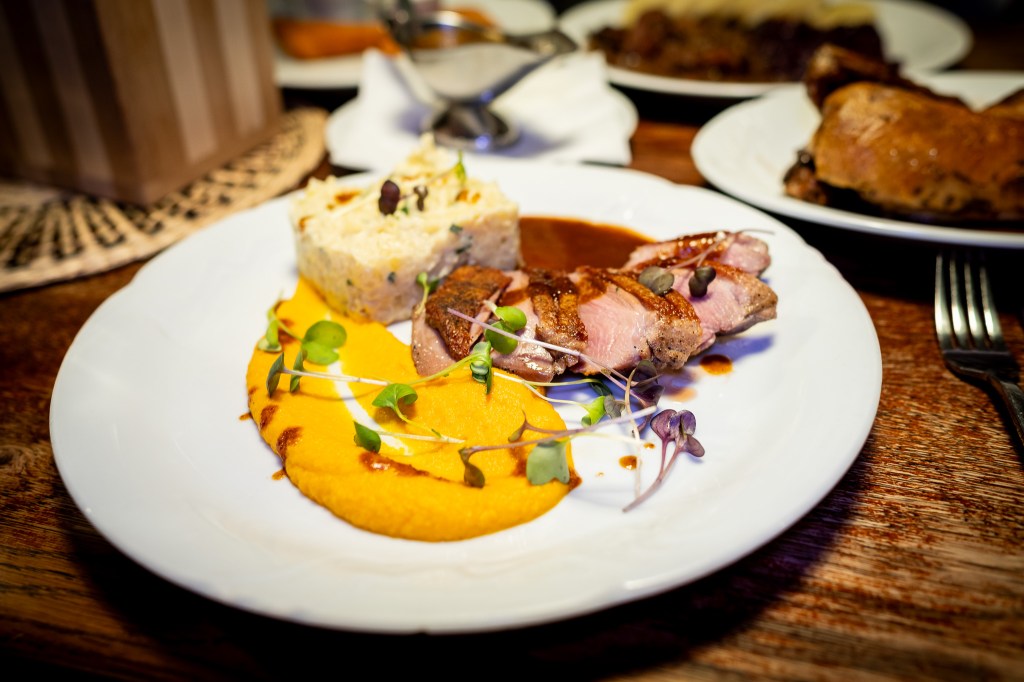
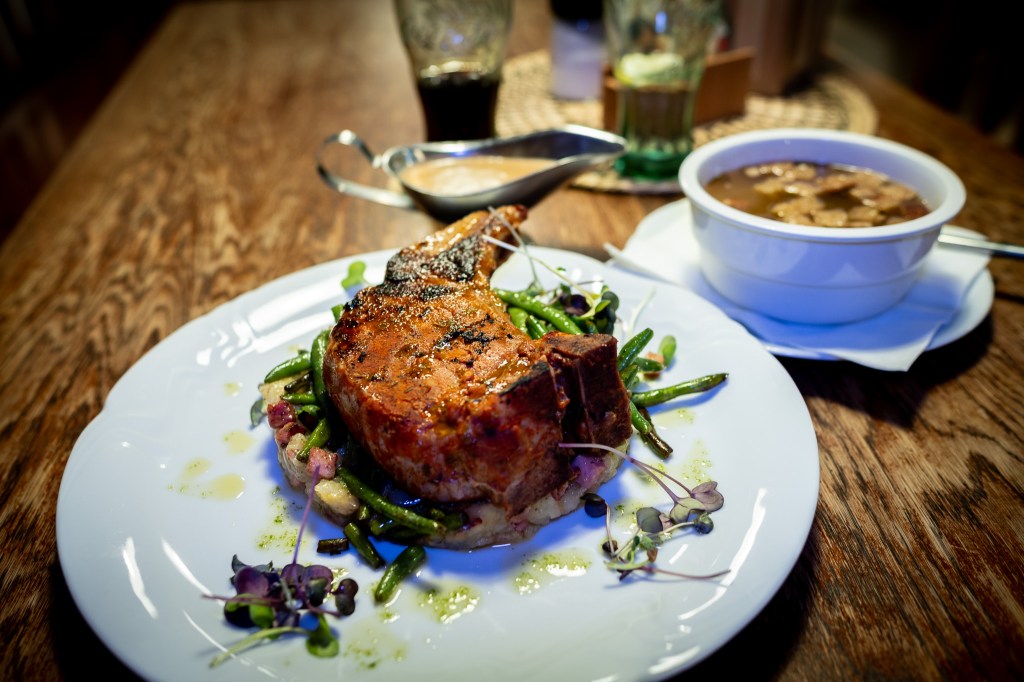
U Mariánského Obrazu is known for its authentic Czech cuisine. I can recommend everything from the menu. Be sure to try traditional dishes like svíčková (marinated beef with creamy sauce), goulash, and roast pork with dumplings and sauerkraut.

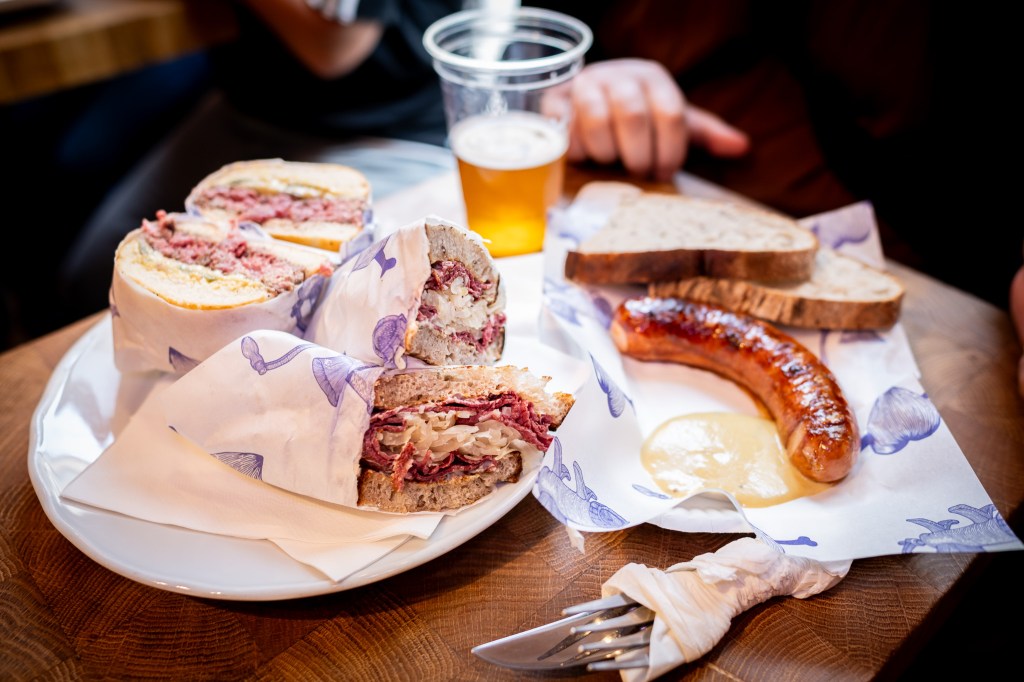
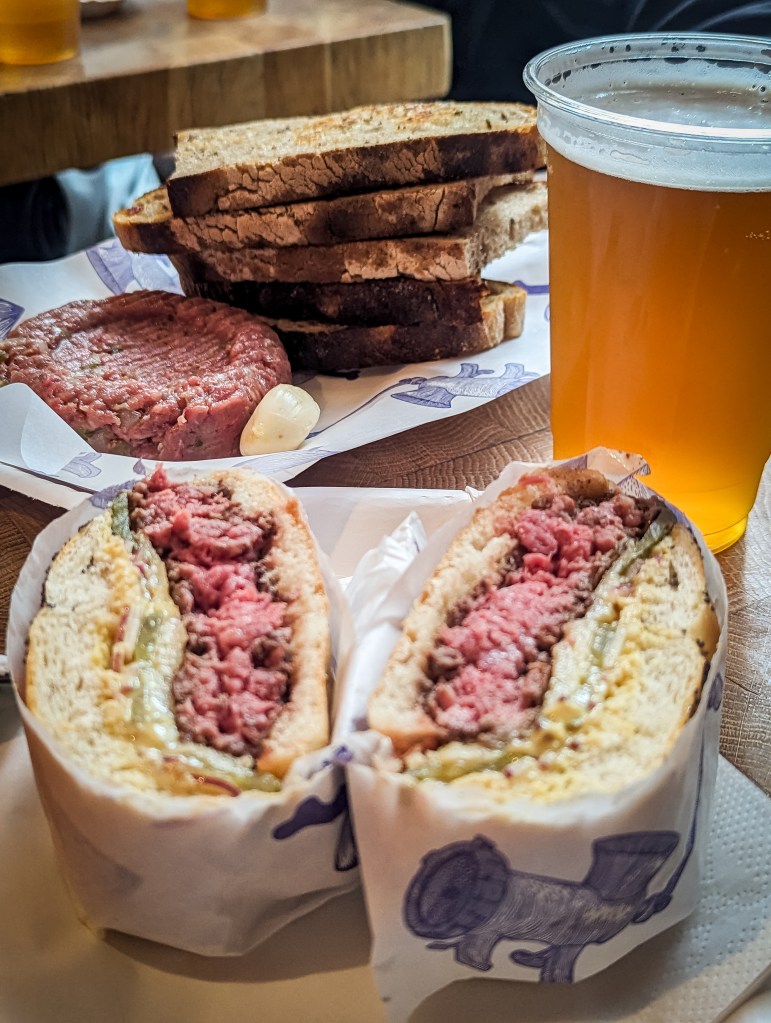
Nase Maso is a renowned butcher shop in Prague known for its exceptional meat products. Here, you can enjoy the best burger, tartar, pastrami, and sausage you’ve ever had. The burger is made with high-quality, freshly ground beef, cooked to perfection, and served with delicious toppings. The tartar is expertly seasoned, highlighting the rich flavour of the meat. The sausages are handmade using traditional recipes, offering a taste of authentic Czech charcuterie. Nase Maso also has a small seating area where you can savour these delicacies fresh from the butcher’s counter.
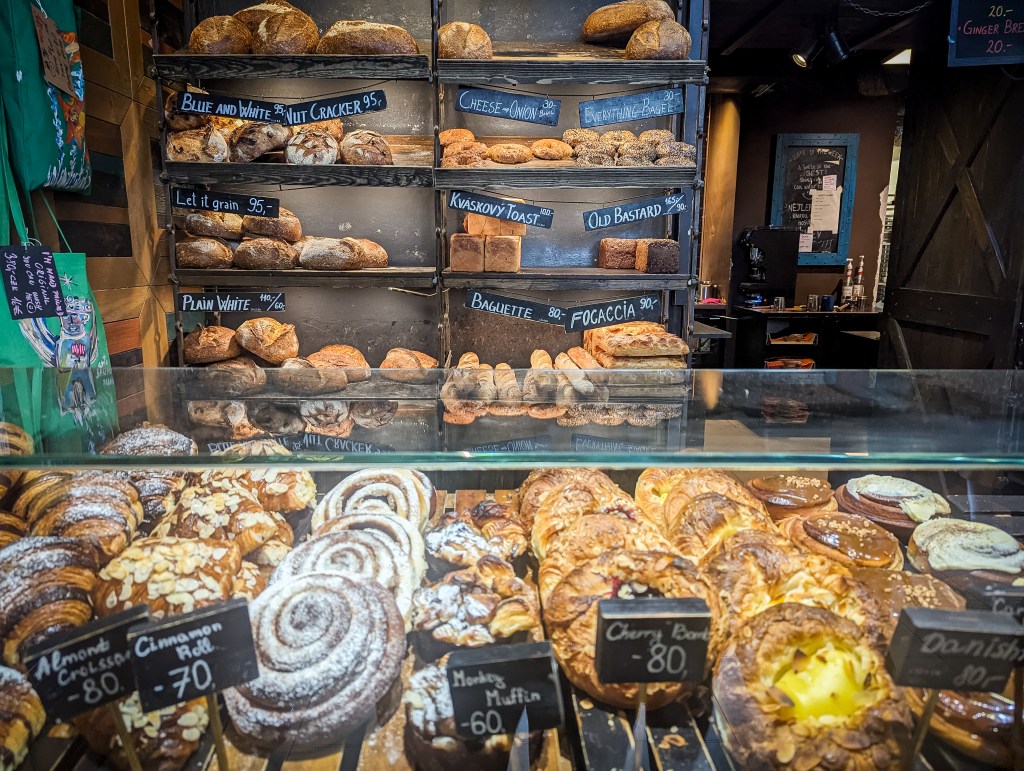
Artic Bakehouse offers a delicious selection of baked goods, including artisanal breads, pastries, and cakes. Their fresh and flavourful offerings are perfect for a snack or breakfast.
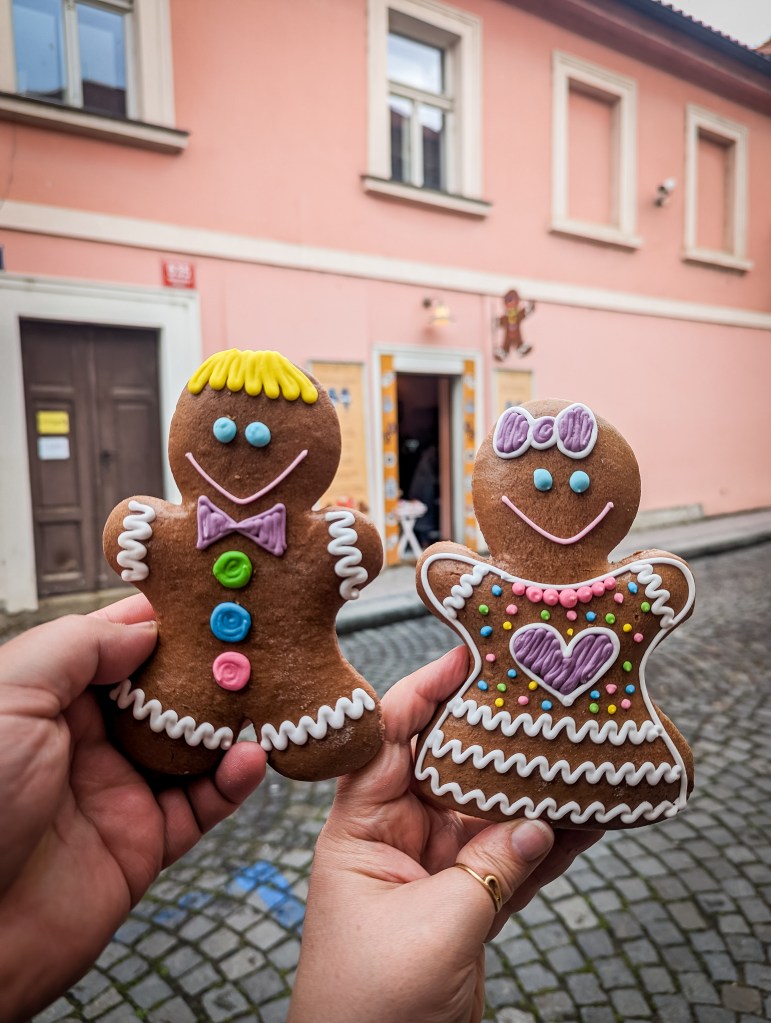
Piernik, a traditional gingerbread, is a sweet treat that’s especially popular during holidays. Piernikovy Panacek is a great place to sample this spiced delicacy, which often includes honey and nuts.
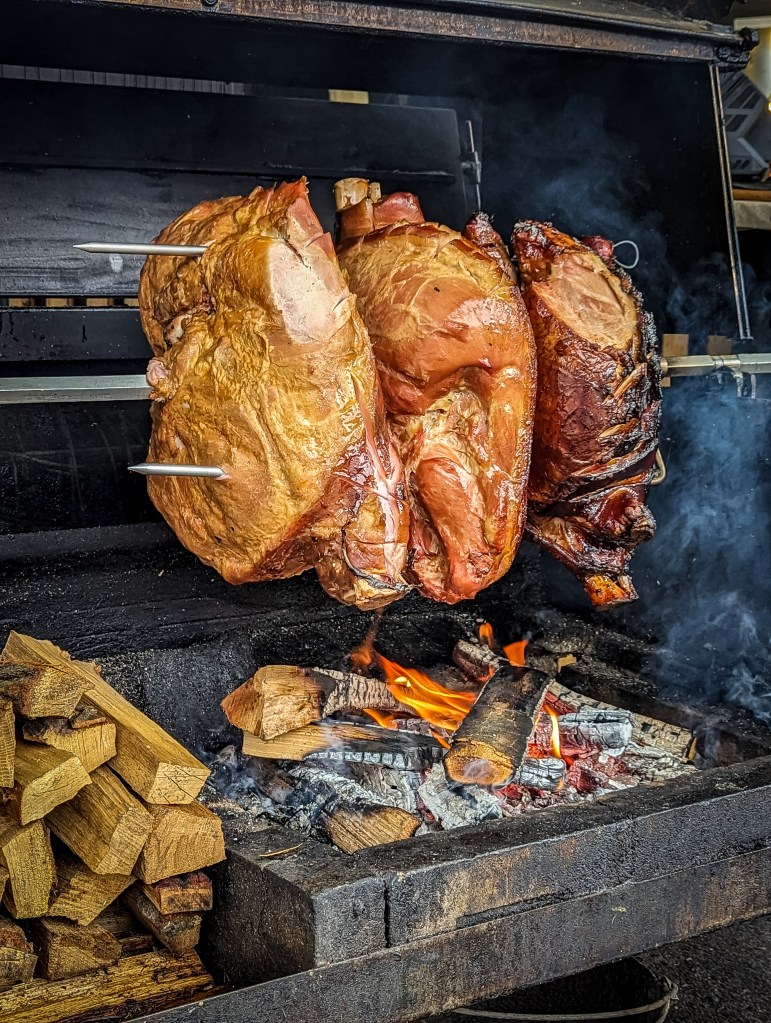
Staropražská šunka, or Old Prague Ham, is a must-try. This smoked and cooked ham is typically served sliced thin and can be enjoyed on its own or in sandwiches.
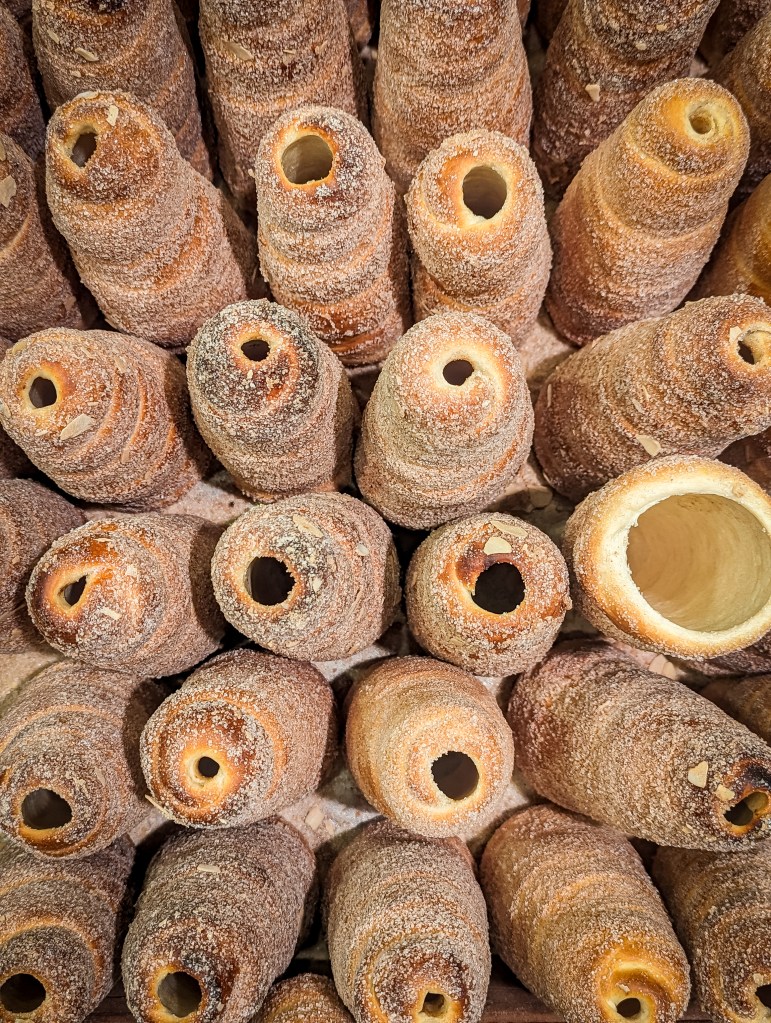
Trdelník is a popular street food in Prague. This sweet pastry is made from rolled dough that is wrapped around a stick, grilled, and topped with sugar and walnuts. It’s often filled with ice cream or other sweet fillings.
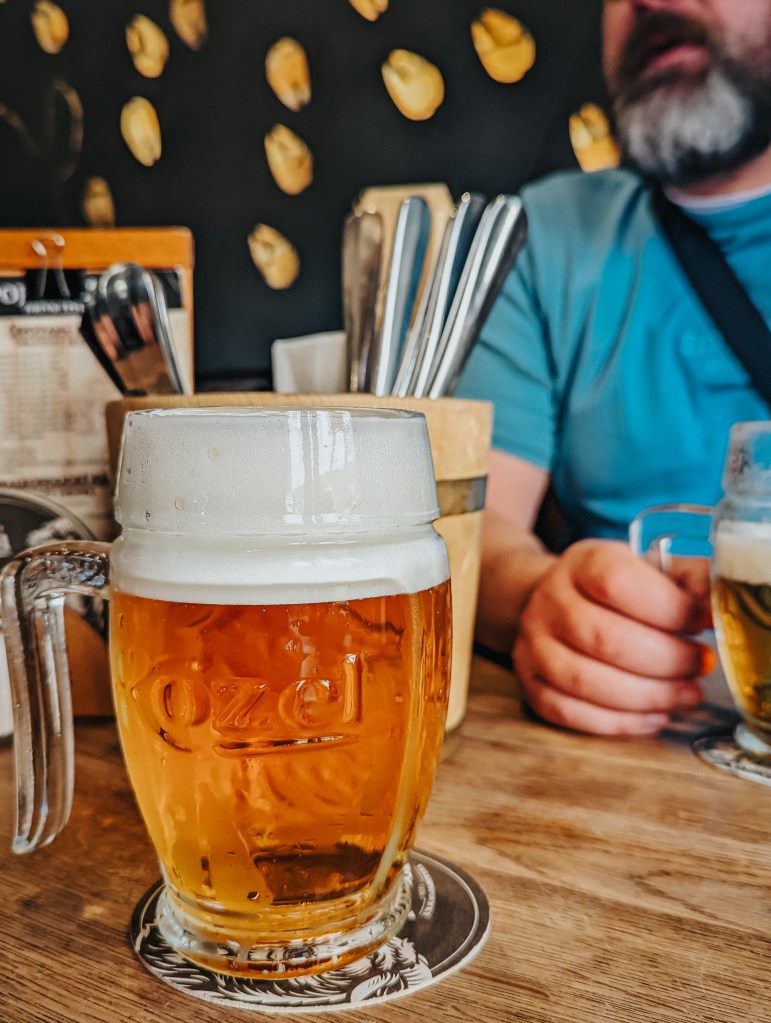
Czech beer is world-renowned, and trying local brews like Kozel or Pilsner Urquell is essential. These beers are known for their quality and flavour, and you can find them in most pubs and restaurants throughout the city.
Unique Experiences
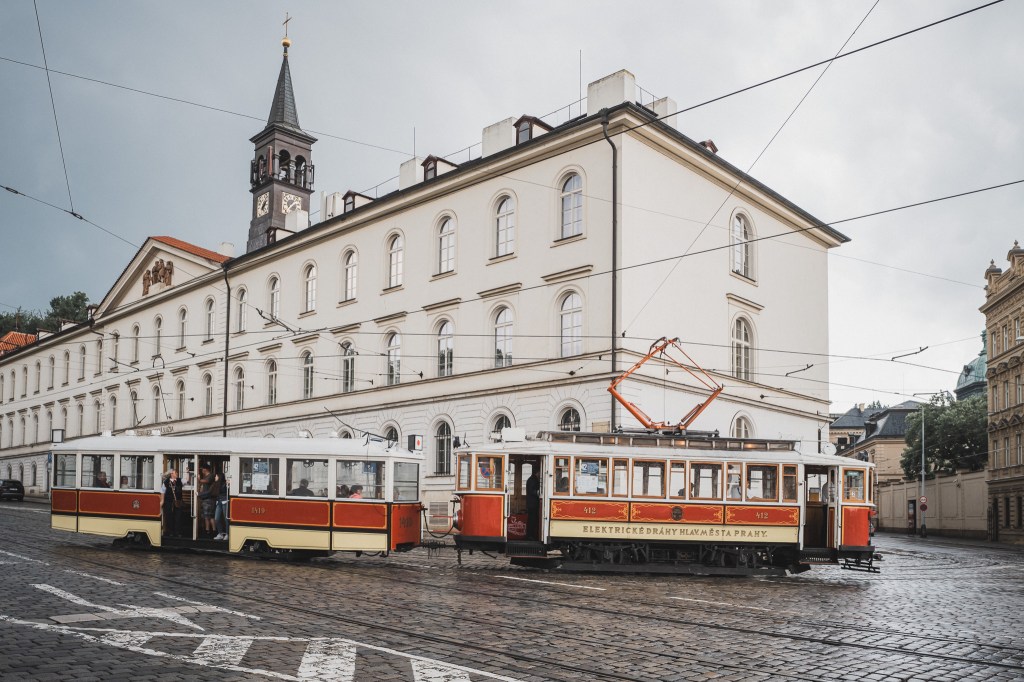
Hop on Tram 22 for a scenic route through the city for passing many of the city’s major attractions. It’s a convenient and affordable way to see the city. The tram route includes stops at Prague Castle, the National Theatre, and other significant sites, making it an excellent choice for tourists wanting to cover a lot of ground with minimal effort.
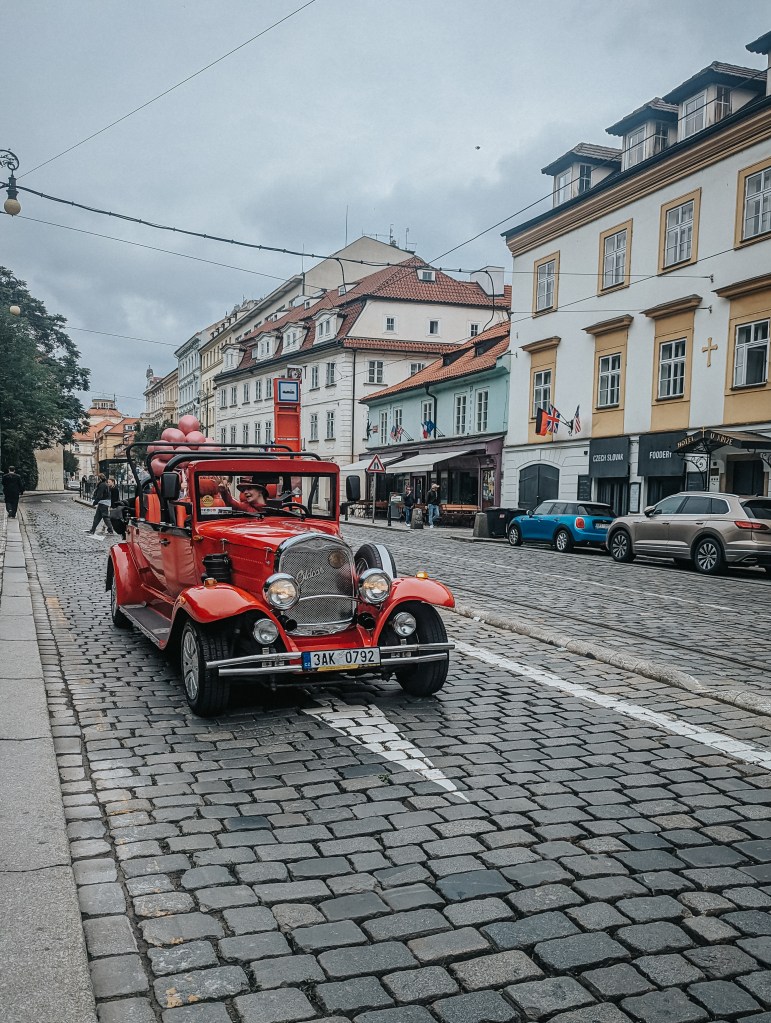
For a unique experience, explore Prague in a vintage car. These tours provide a nostalgic way to see the city’s sights. Riding in a classic car through Prague’s historic streets offers a different perspective and a touch of old-world glamour. The drivers often provide insightful commentary, making the experience both informative and enjoyable.
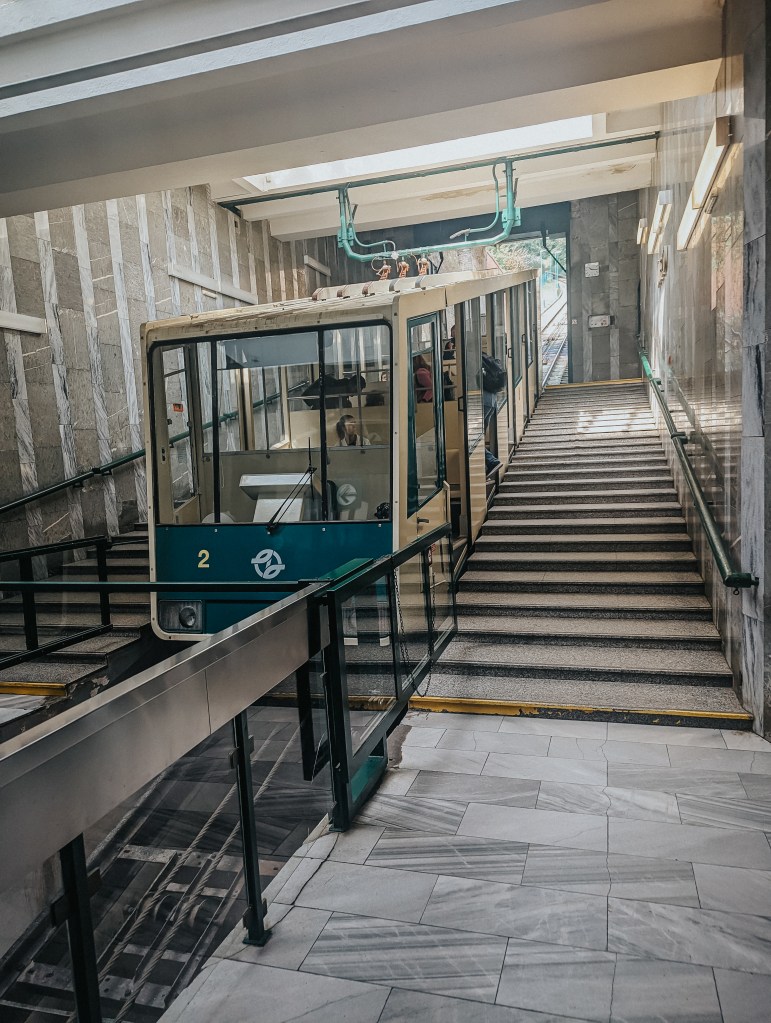
Don’t miss Petrin Hill for panoramic views and a charming cable train ride. The funicular railway takes you to the top of Petřín Hill, offering a fun and scenic ride. The journey starts at the Újezd station and climbs the hill to the Nebozízek stop and then to the summit. It’s a pleasant and convenient way to reach Petřín’s attractions, especially if you prefer not to walk uphill.
Wrapping Up
Our whirlwind three days in Prague zipped by in a blur of laughter, exploration, and a non-stop barrage of fantastic photo opportunities. Whether you’re a history buff, a scenery snapper, or a beer aficionado, Prague has a bit of magic for everyone. Its streets are a tapestry of historical tales, each corner adorned with architectural marvels that span centuries. Its lush vistas along the Vlatava river invite serene walks that can turn any evening golden. And let’s not forget the brews—each pub and tavern boasts local beers that sing with rich, hoppy flavors, perfect for toasting to a day well spent.
Prague is the kind of city that captures your heart not just with its beauty but with its vibrant, welcoming spirit. It’s a city where every visit uncovers something new, urging you to come back and delve even deeper into its charming enclaves and hidden gems. So, call up your dearest friends, lace up your most comfortable walking shoes, and plunge into the enchanting streets of this Czech wonder. Whether it’s your first visit or your tenth, Prague promises memories that you’ll treasure forever. Cheerio and see you soon in the heart of Europe! Toodles!
 MKS Photography Travel
Leave a comment