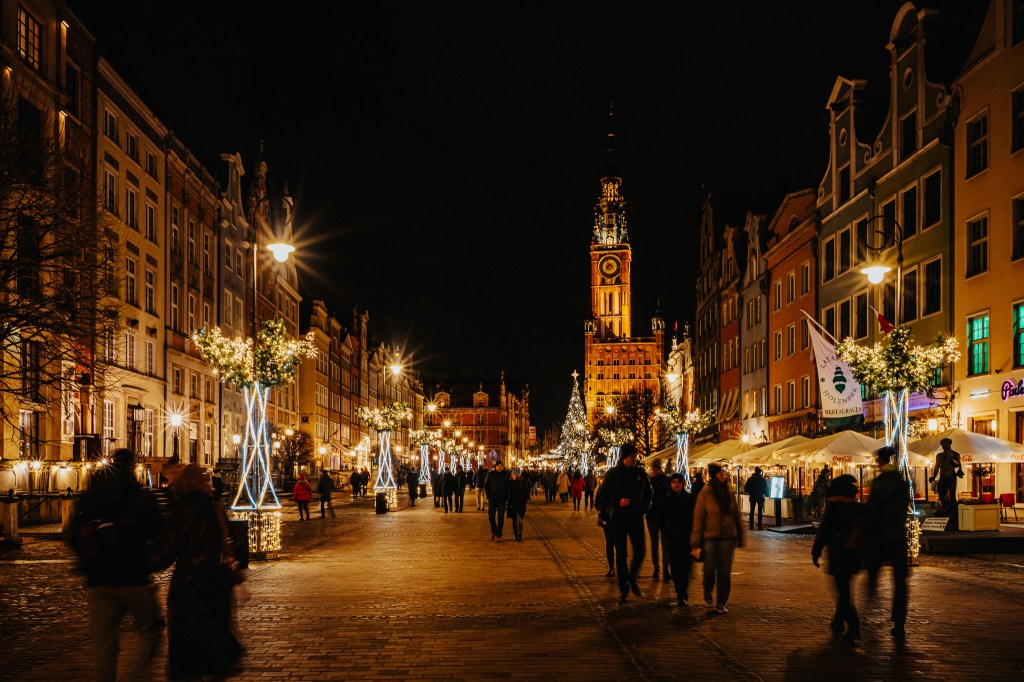
As someone who calls Gdansk home, albeit from a distance, returning always feels like a reconnection with my roots. It’s a city that doesn’t see me as often as it should, but this particular visit was marked by an occasion too special to miss: my father’s 77th birthday. This wasn’t just any trip; it was a family reunion, a surprise orchestrated with love, spanning the distance from London Luton to the heart of Gdansk via a Wizz Air flight one bright Saturday morning.

Upon landing midday, we embarked on our journey to the city centre aboard bus no. 210, a 50-minute ride costing a mere 4.80 zlotych. For those planning to explore more, a 24-hour ticket at 22.00 zlotych is a steal, especially given the ease of purchasing tickets at the numerous machines available, no cash required. Our destination? The Old Town, a treasure trove of history, architecture, and culture.
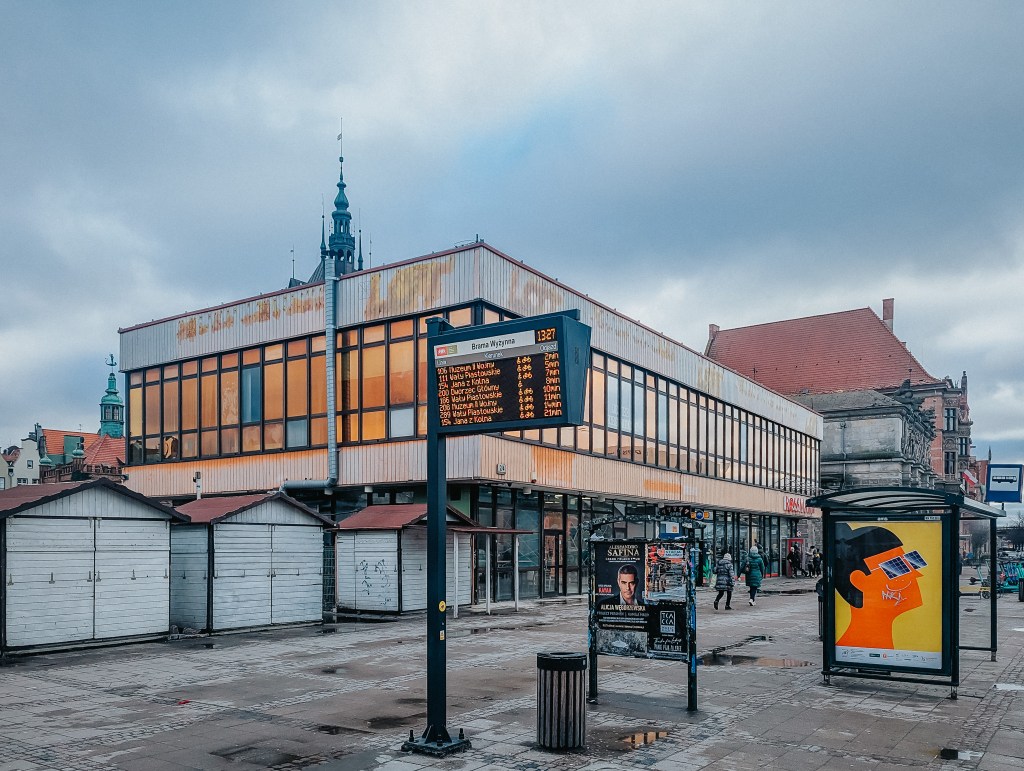
Our first steps in the city led us to Dluga Street, arguably the most enchanting part of Gdansk. Walking from the Golden Gate to the Green Gate, we passed the historic LOT building, a relic from a time when travel was a luxury requiring government approval. This place, once a hub for meeting friends, now stands as a testament to the city’s evolving story.
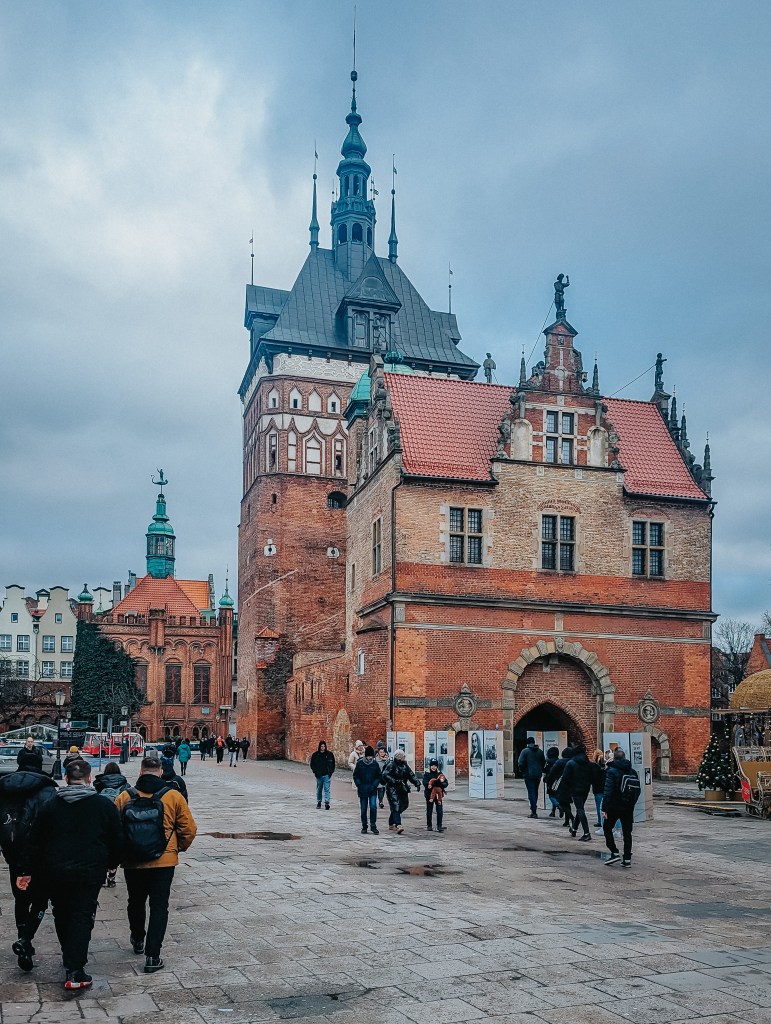
The journey took us past the Gaol Tower, an imposing structure with a dark past, now a fascinating site offering incredible photographic opportunities. Its transformation from a medieval defence to a prison and torture chamber, and finally to a post-war rebuilt marvel, encapsulates Gdansk’s resilience.
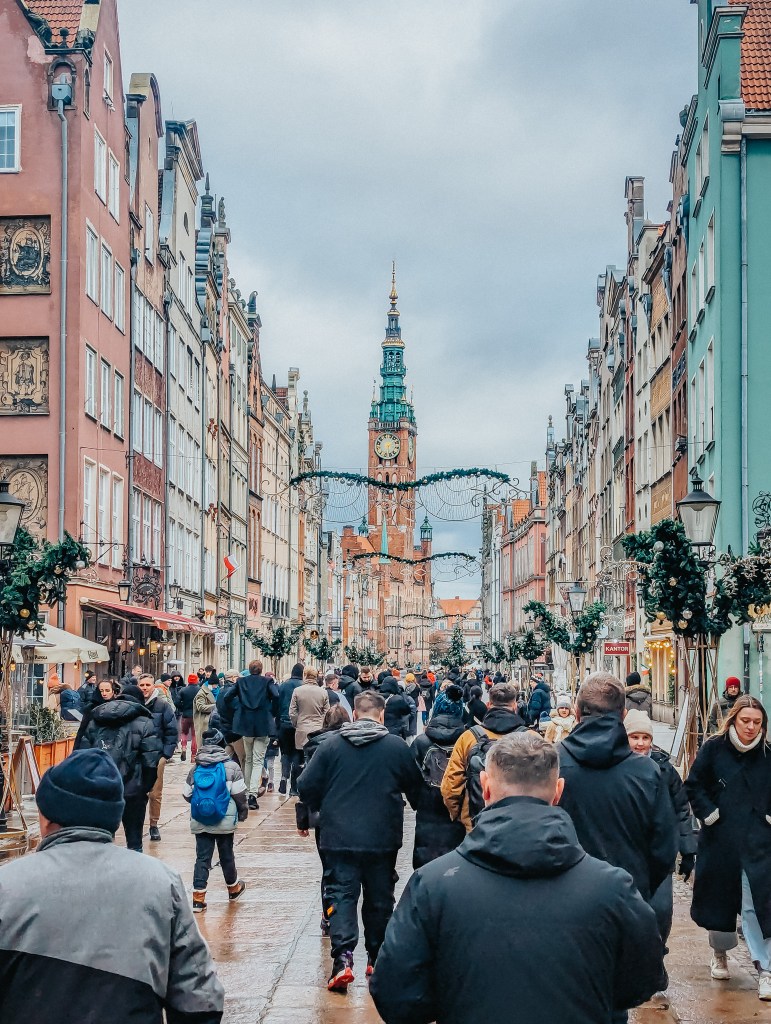
Dluga Street unfolded before us like a scene from a fairy tale, with its array of food establishments, souvenir shops, and breath-taking architecture. Dluga Street, often considered the heart and soul of Gdansk, is a vibrant artery of the city that encapsulates the essence of its rich history and architectural grandeur. Stretching from the Golden Gate (Zlota Brama) to the Green Gate (Brama Zielona), this thoroughfare is a lively hub of activity and a testament to the city’s resilience and restoration efforts following the destruction of World War II. The street and its extension, Long Market (Dlugi Targ), together form what is commonly referred to as the Royal Route, historically the path of processions and parades, especially those of visiting kings and dignitaries.
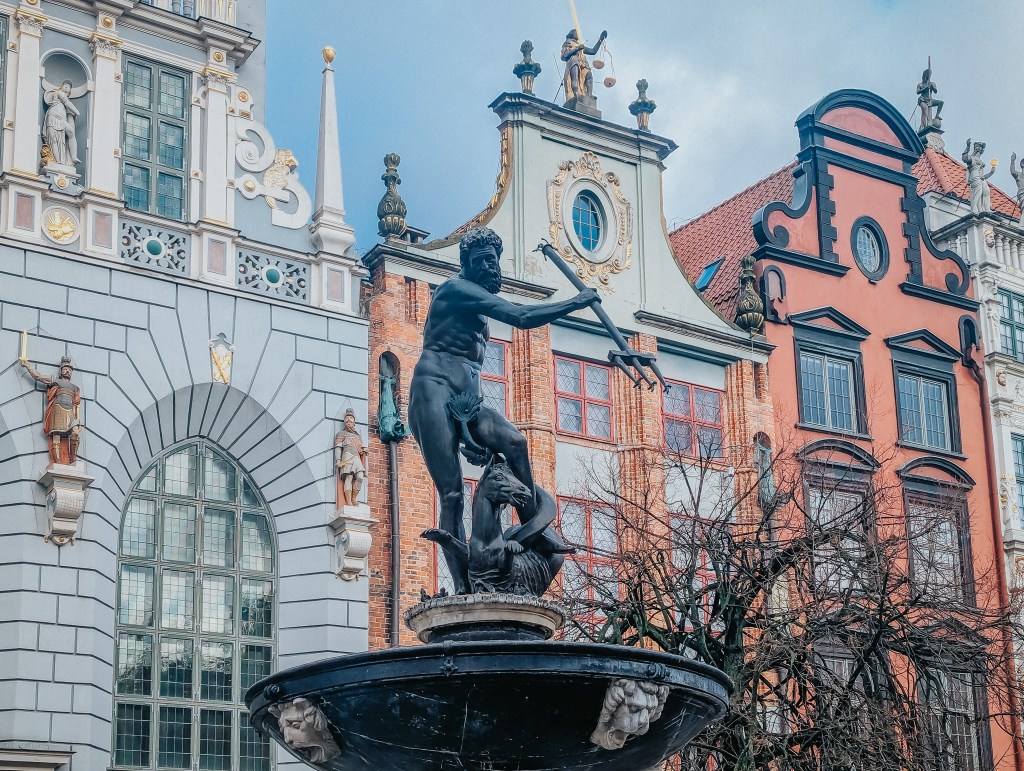
Our exploration led us to the heart of the Old Town, the Long Market, and its crown jewel, the Neptune Fountain. This bronze homage to the Roman sea god, designed by Flemish architect Abraham van den Blocke, is more than an ornate decoration; it’s a symbol of Gdansk’s rich history and cultural heritage. Hidden during WWII, the fountain’s restoration and return to its rightful place is a story of preservation and pride.
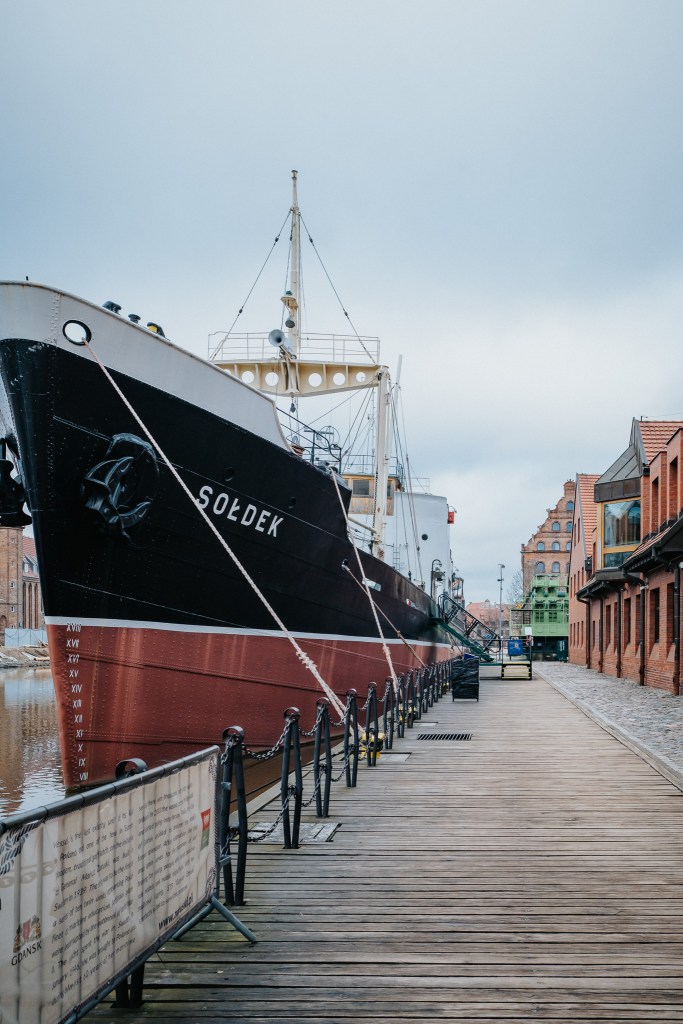
The SS “Soldek” is an emblematic piece of Gdansk’s maritime heritage, moored on the Motlawa River near the iconic Crane. Launched in 1948, it holds the distinction of being the first ship built in post-war Poland and represents a significant milestone in the country’s recovery and development in the aftermath of World War II. The “Soldek” served as a bulk carrier and was instrumental in international trade, transporting coal and other goods across the seas until it was retired in the 1980s. Today, it has been preserved as a museum ship, part of the National Maritime Museum, allowing visitors to explore its decks, machinery, and living quarters. The preservation of the SS “Soldek” as a museum ship not only commemorates Poland’s shipbuilding prowess but also serves as a fascinating attraction for those interested in maritime history and the industrial heritage of Gdansk. Walking through its historic decks provides a unique insight into the life of seafarers and the maritime history that is so deeply intertwined with the identity of Gdansk.
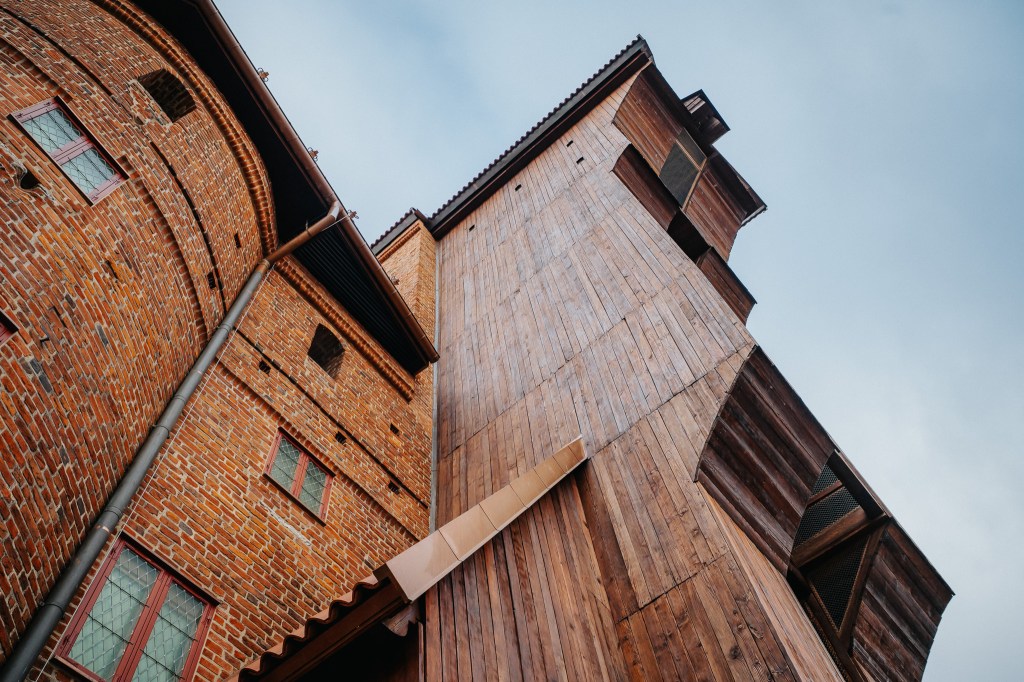
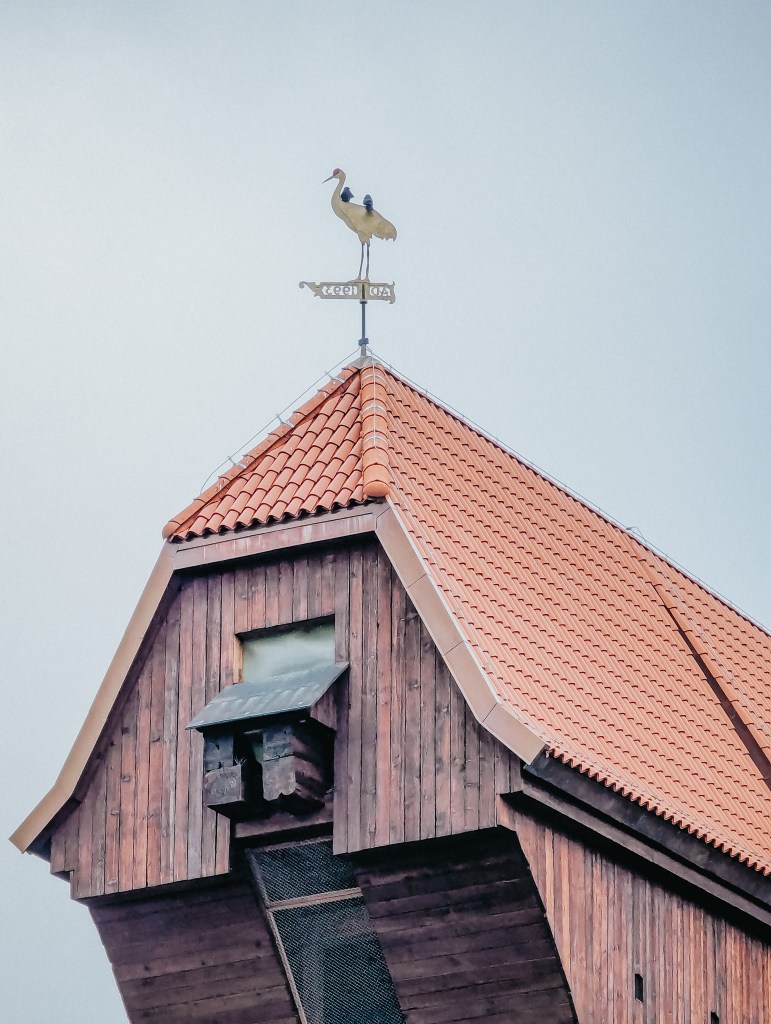
The Old Town, with its unique strip-shaped market space, vibrant buildings, and historical significance, serves as a living museum. The Crane (Żuraw) over the Motława River is one of the most iconic symbols of Gdańsk and a testament to the city’s rich maritime history. Dating back to the mid-14th century, this historic piece of engineering was once the largest working crane in the world, used both for loading cargo onto ships and for fitting their masts. The Crane’s distinctive silhouette, with its two towering wooden wheels, is a striking feature of Gdańsk’s waterfront. These wheels were powered by men walking inside them, a testament to the ingenuity of medieval engineering.
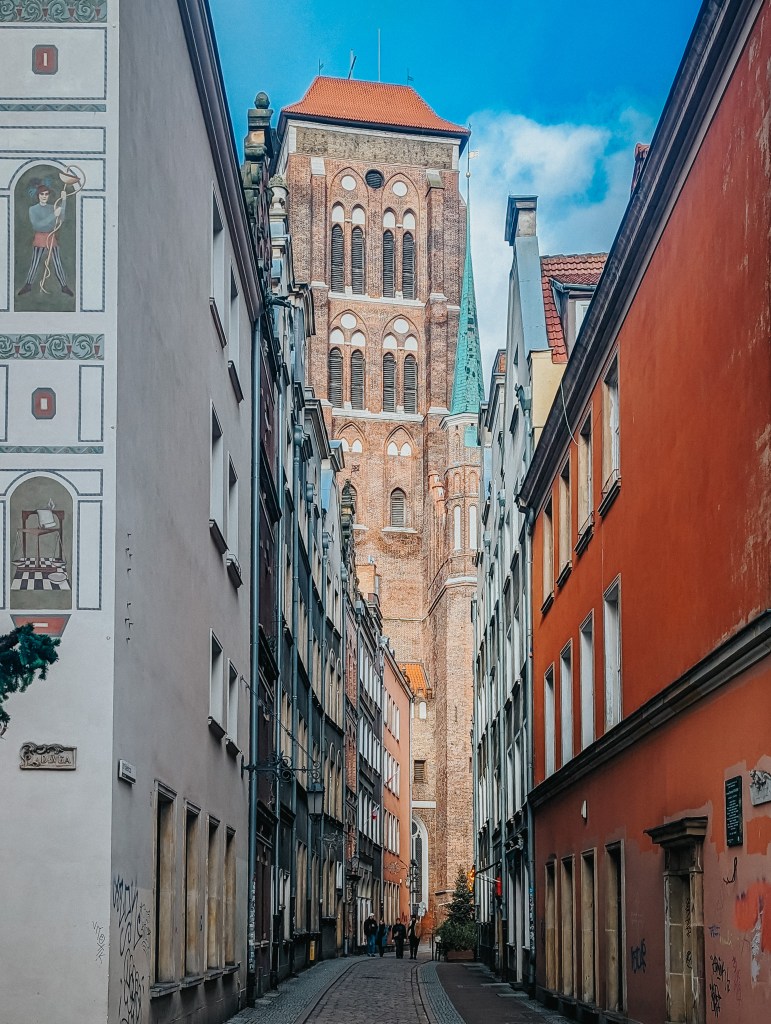
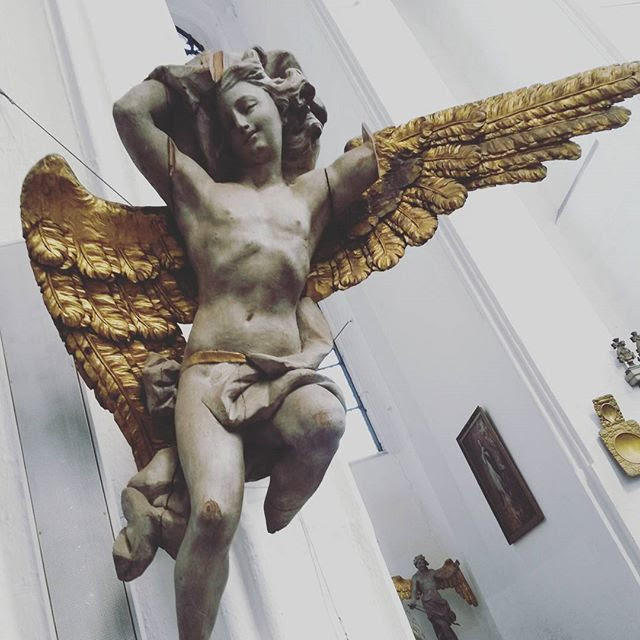
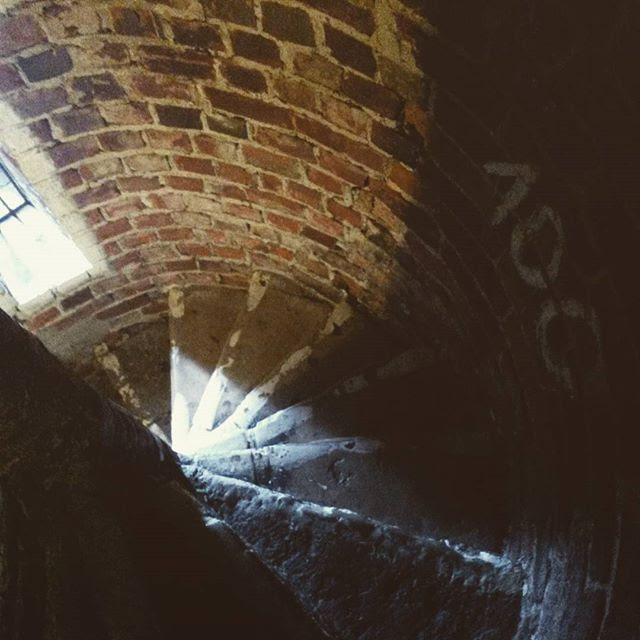
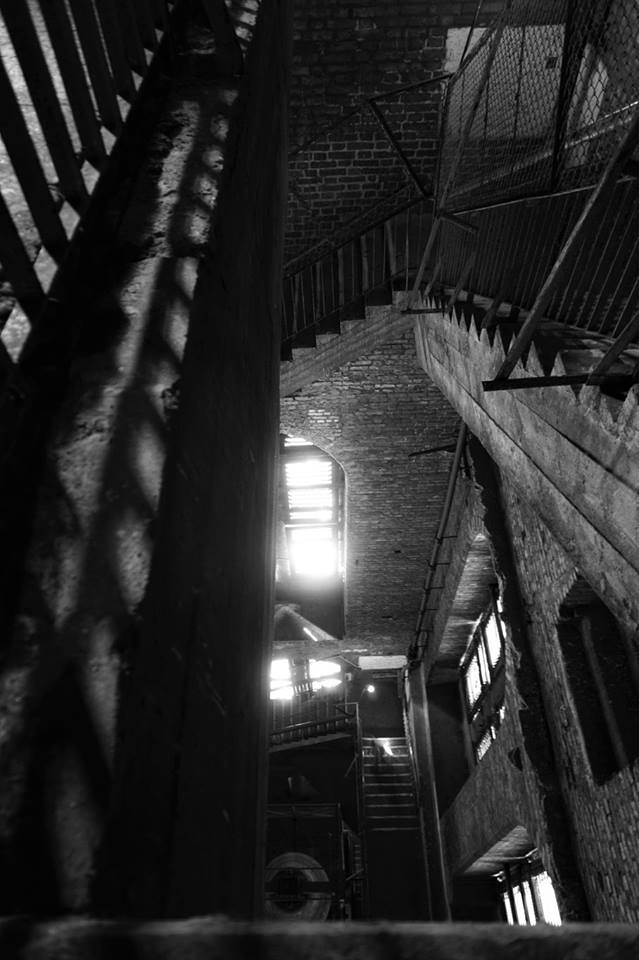
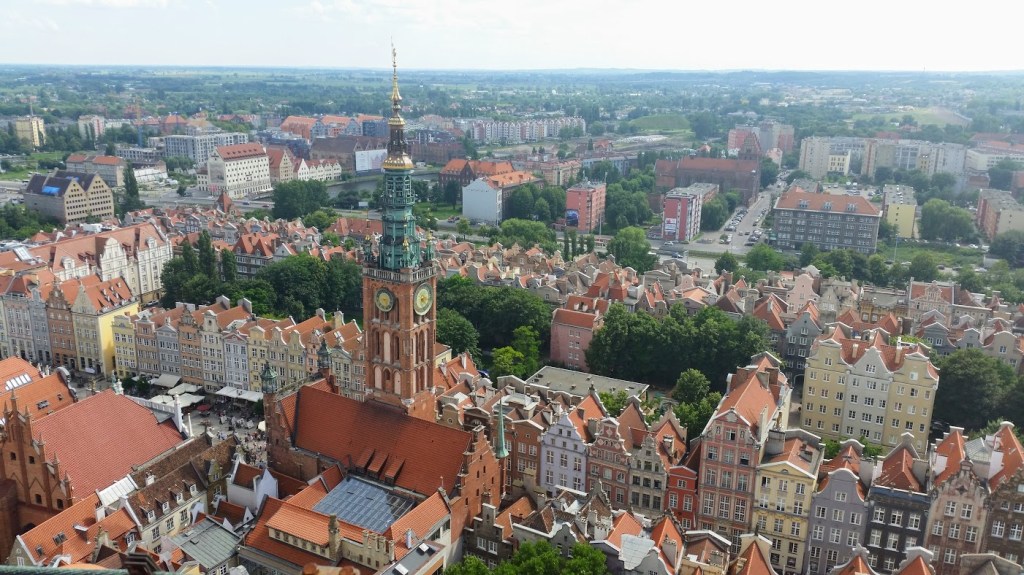
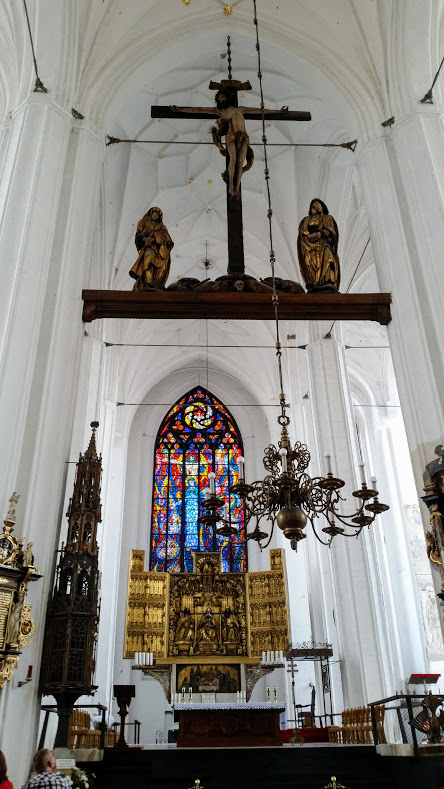
Here, one can wander from the Crane, an emblem of Gdansk’s maritime legacy, to St. Mary’s Church, officially known as the Basilica of the Assumption of the Blessed Virgin Mary, a monumental brick basilica. Constructed over several centuries, starting in the 14th century and completed in the 16th, it is one of the largest brick churches in the world. Upon entering, visitors are struck by the sheer scale of the interior. The church can accommodate up to 25,000 people, and its vast nave is supported by massive pillars, above which stretch the intricately vaulted ceilings. The interior houses an impressive collection of medieval and Renaissance artworks, including a large astronomical clock from the 15th century, beautiful stained glass windows, and numerous sculptures and altarpieces. Climbing the tower of St. Mary’s Church is a highlight for many visitors. The journey up the 405 steps is rewarded with panoramic views of Gdansk and the surrounding area, offering a unique perspective on the city and its historical layout.
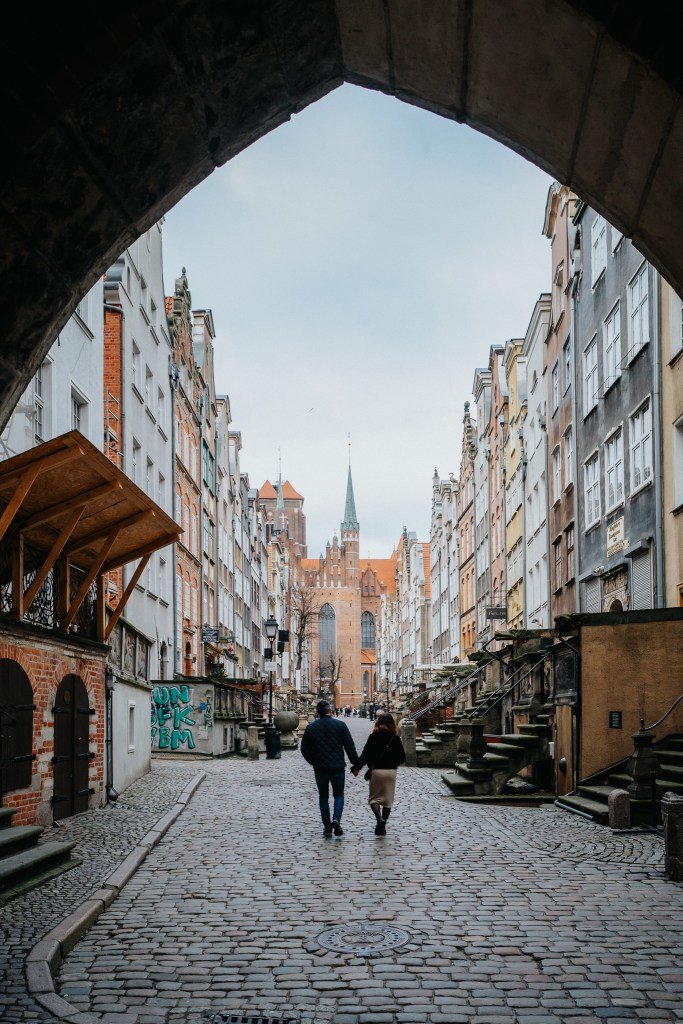
Mariacka Street is often regarded as one of the most picturesque and charming streets in Gdansk. Known for its distinctive and beautifully restored terraced buildings, the street is adorned with ornate facades and gargoyle-topped drainpipes that extend from the roofs almost to the ground, a unique architectural feature that adds to its fairy-tale ambiance. This cobblestone street, with its intimate atmosphere, feels like stepping back in time.
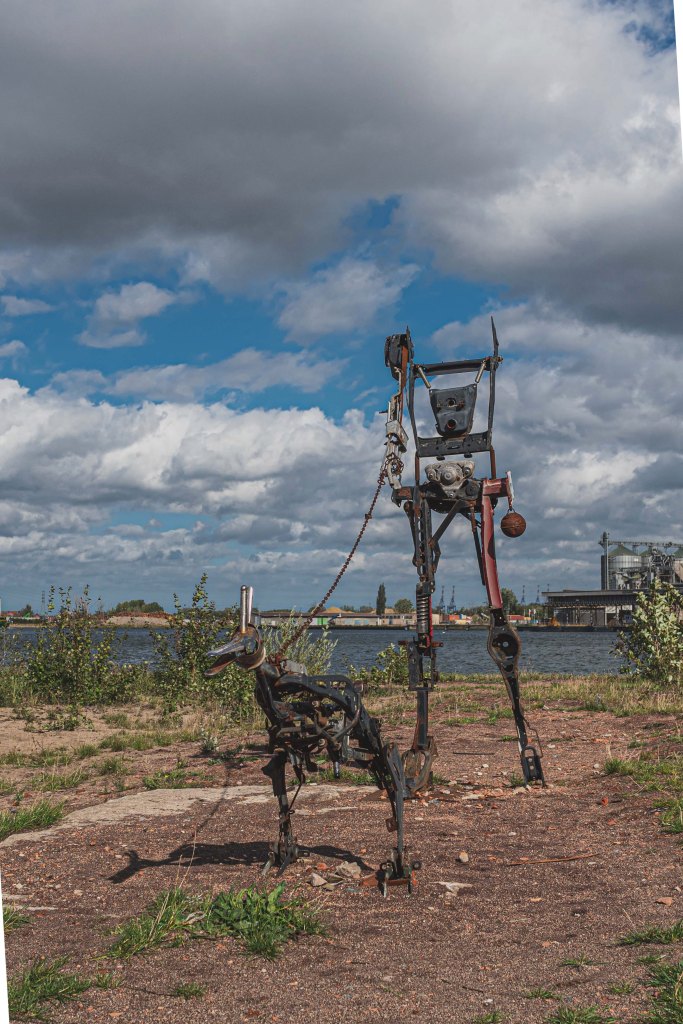
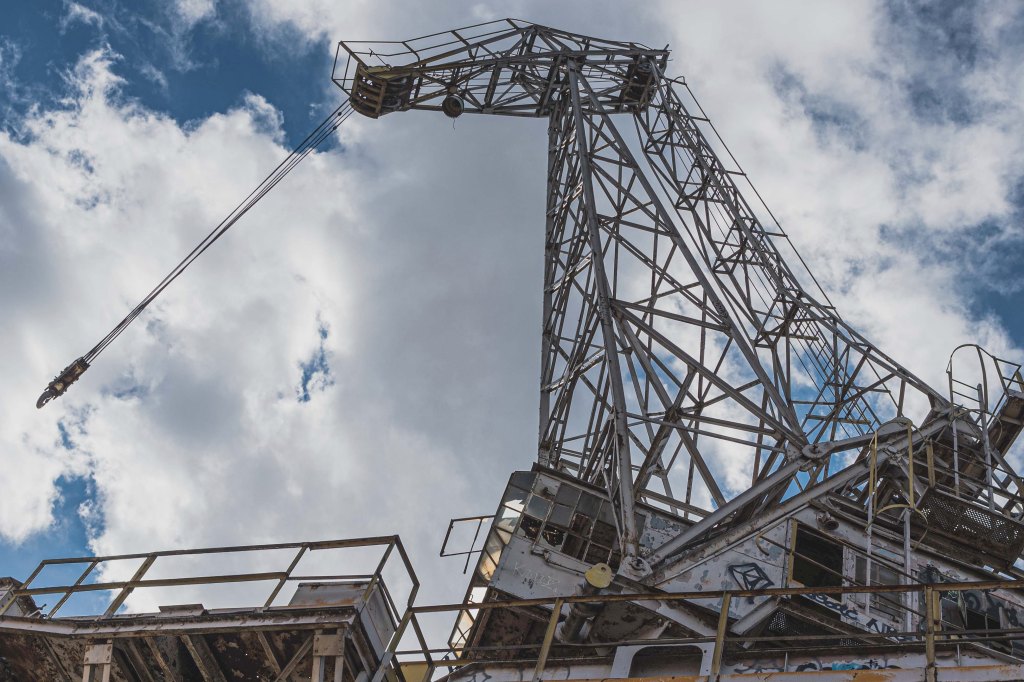
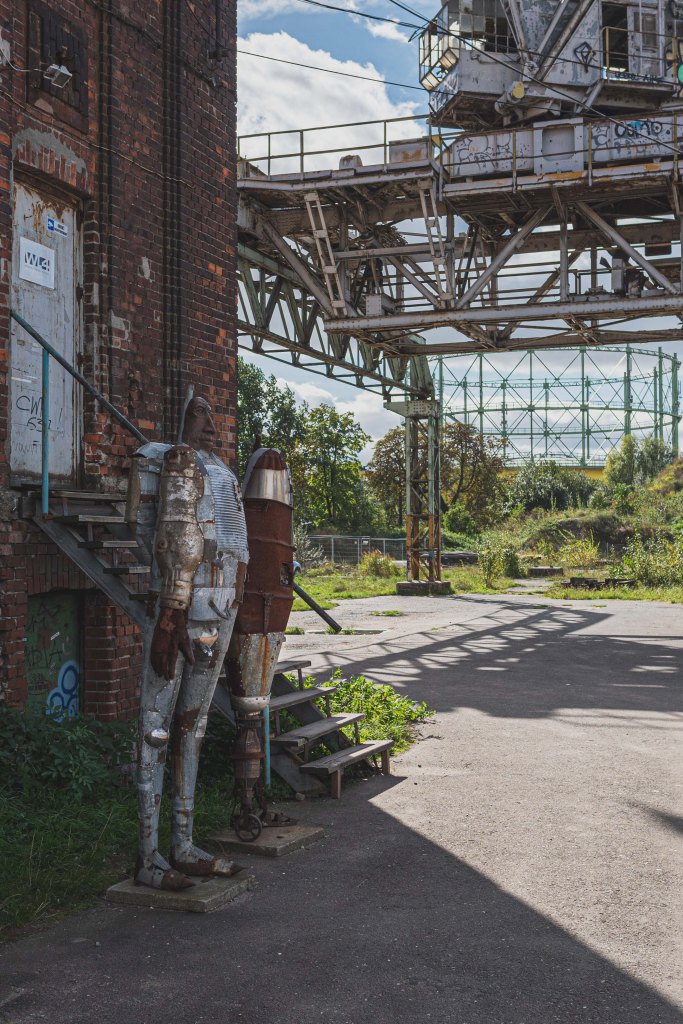

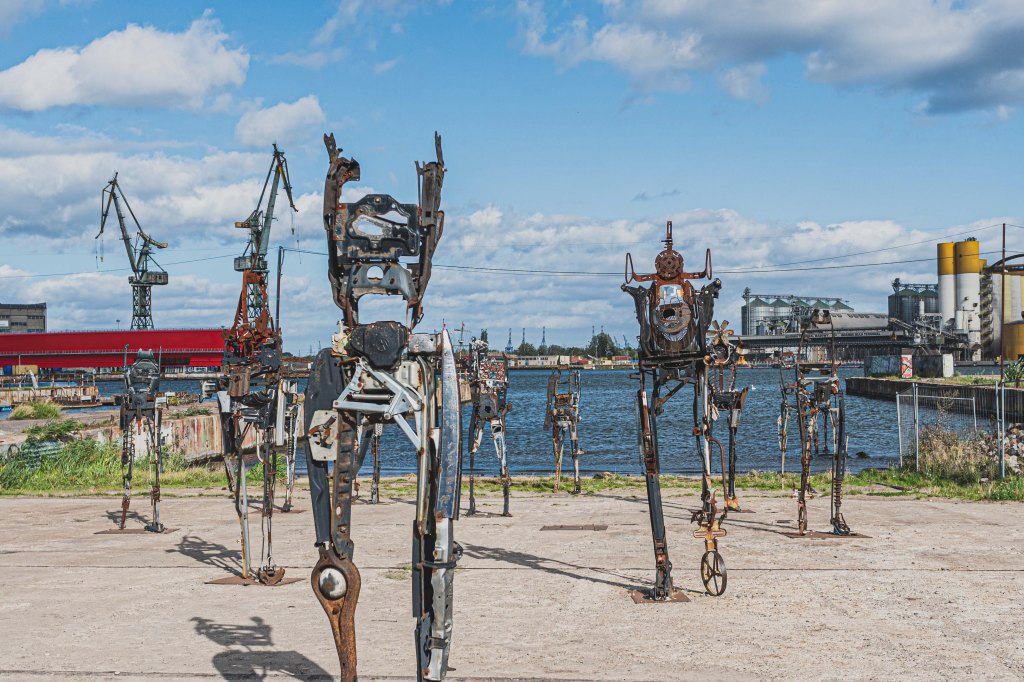
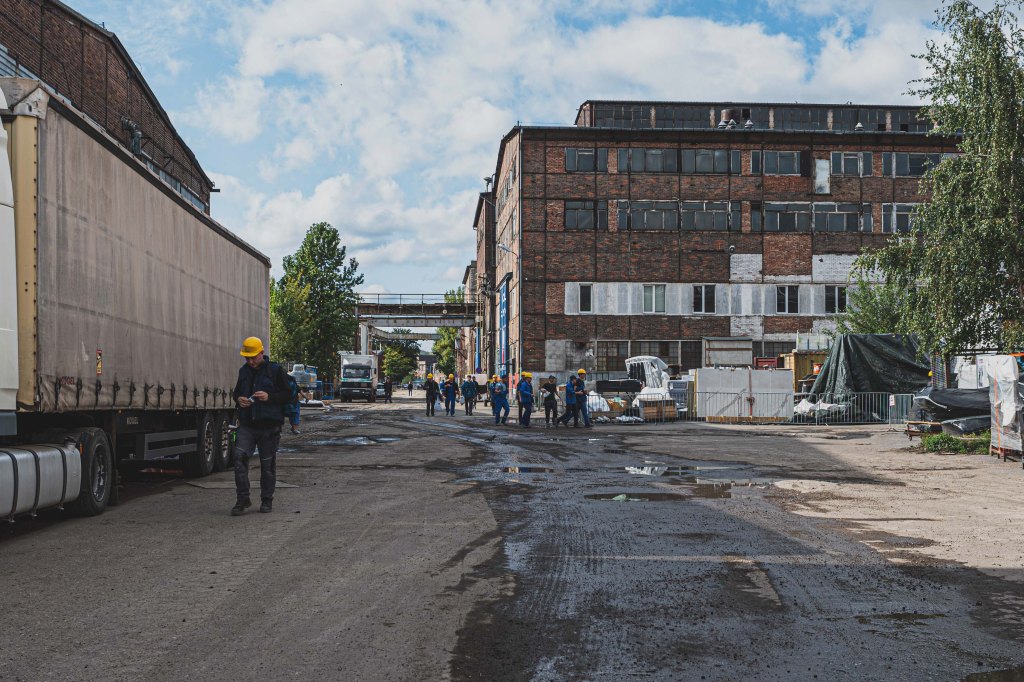
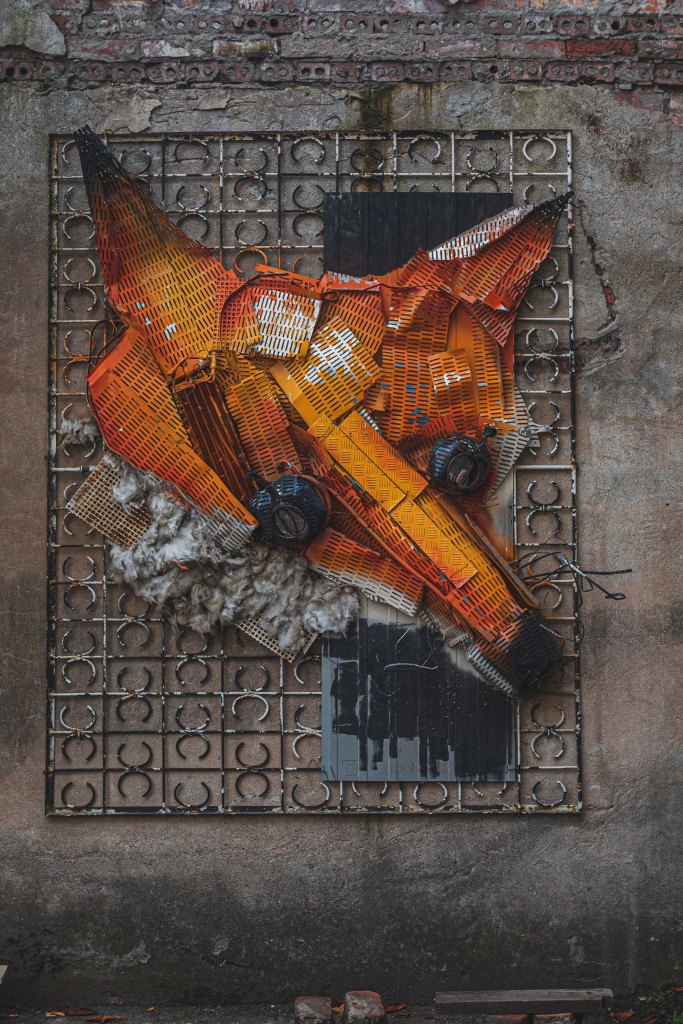
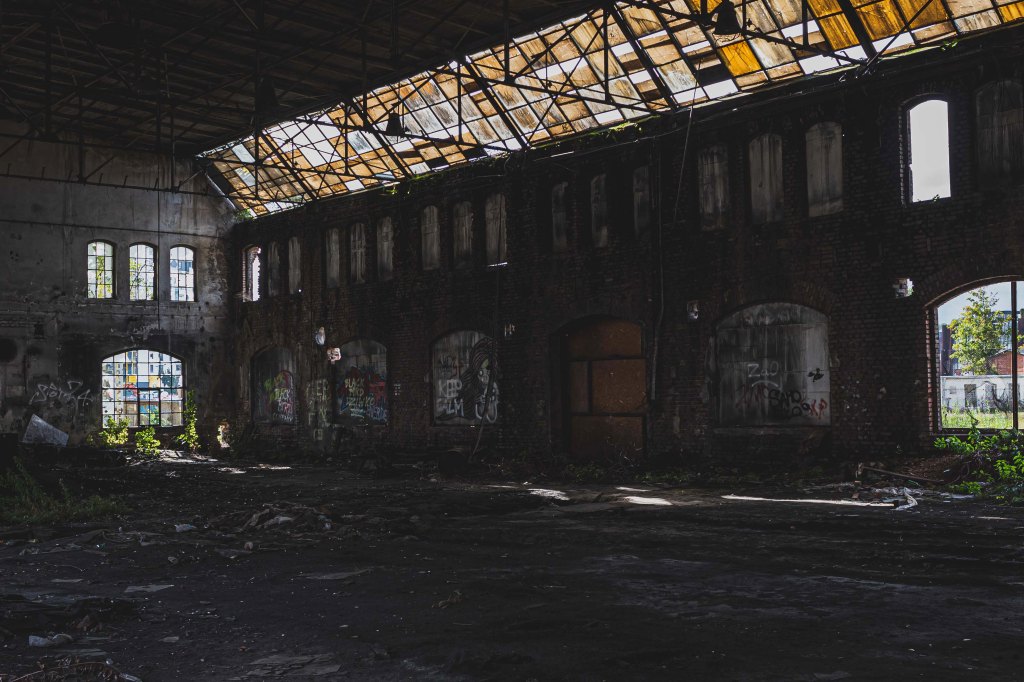
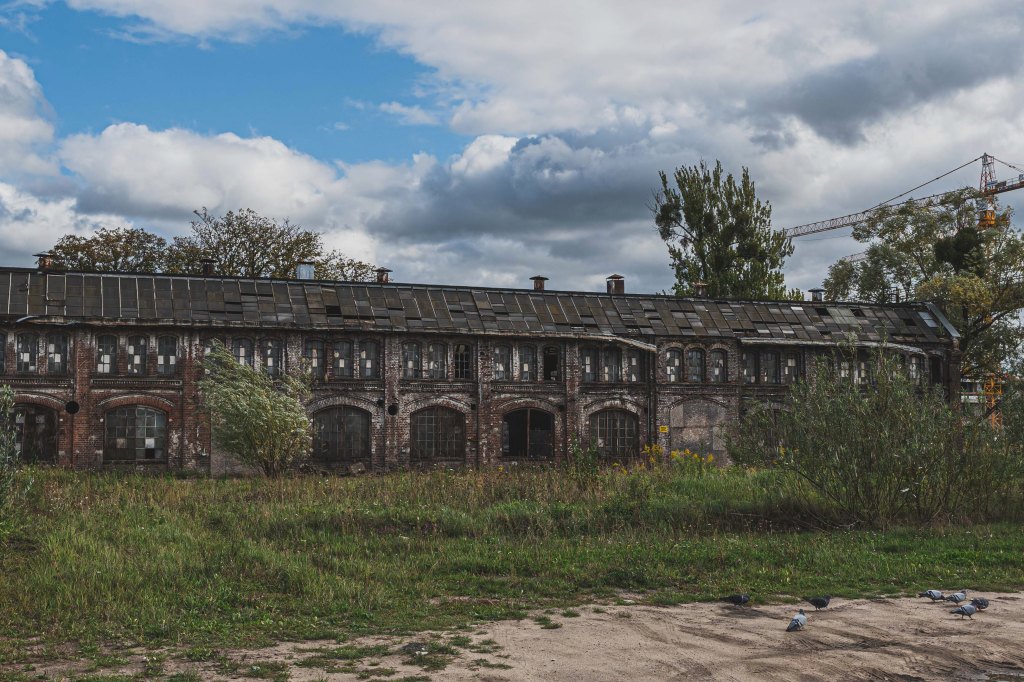
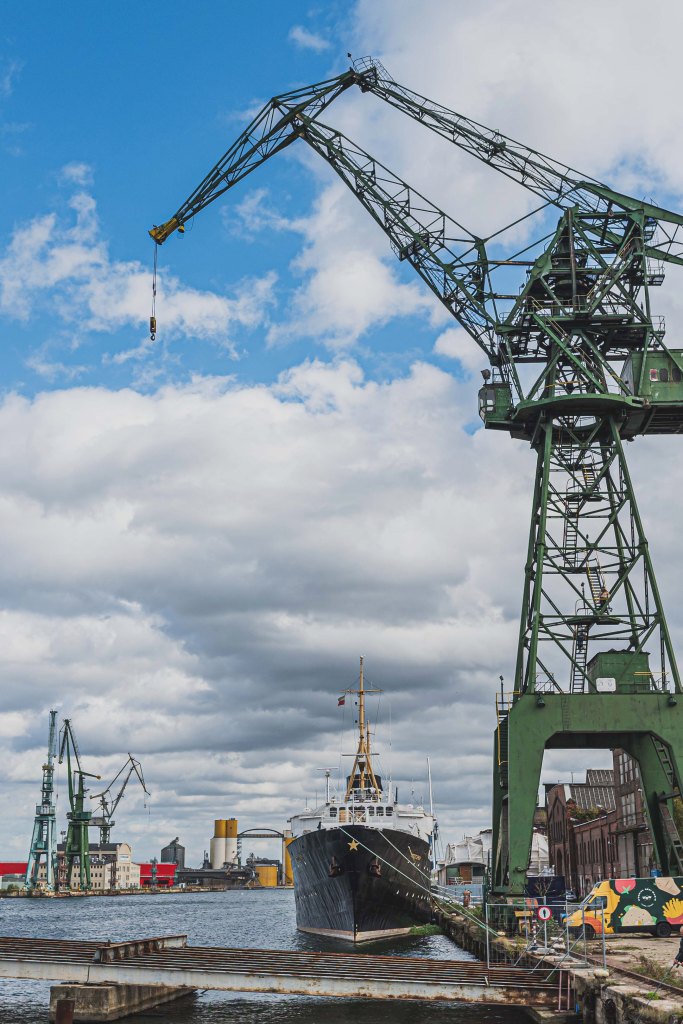
A stroll through the city reveals more than just its past; it showcases a vibrant, living community. The Imperial Shipyard, associated with Lech Walesa and the solidarity movement, and the modern attractions like the M3 Crane observation deck, blend history with contemporary culture.
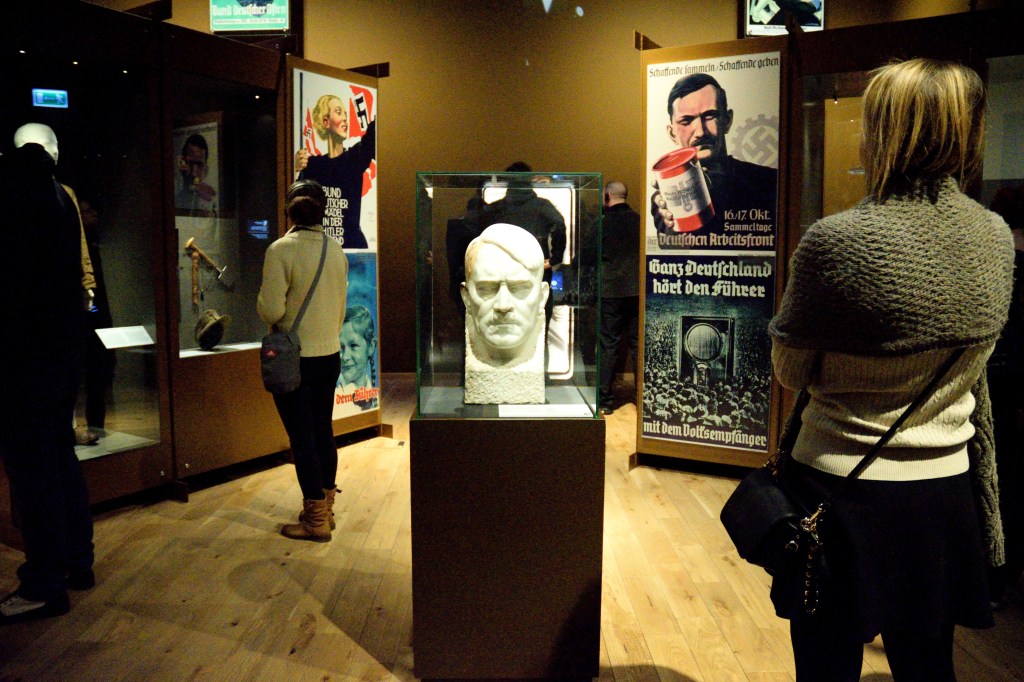

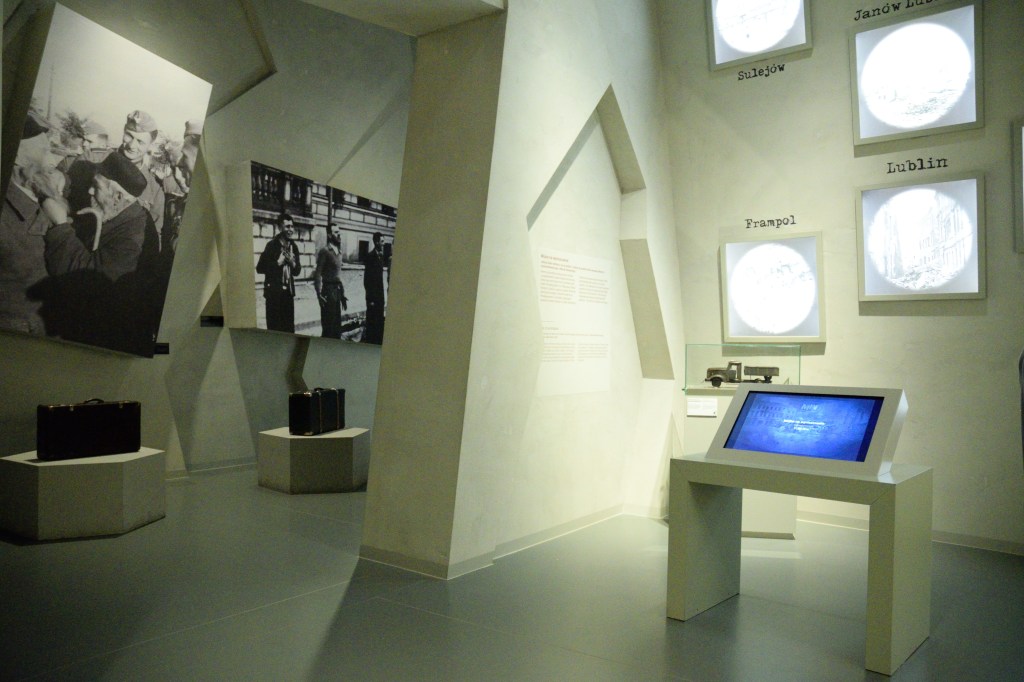
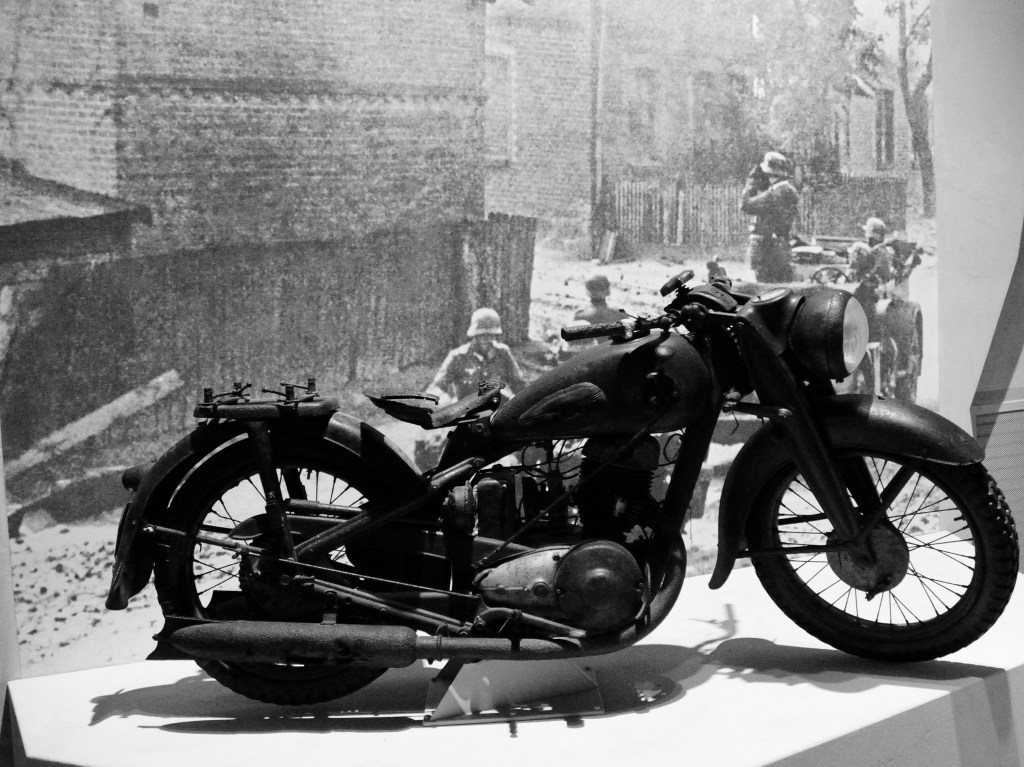
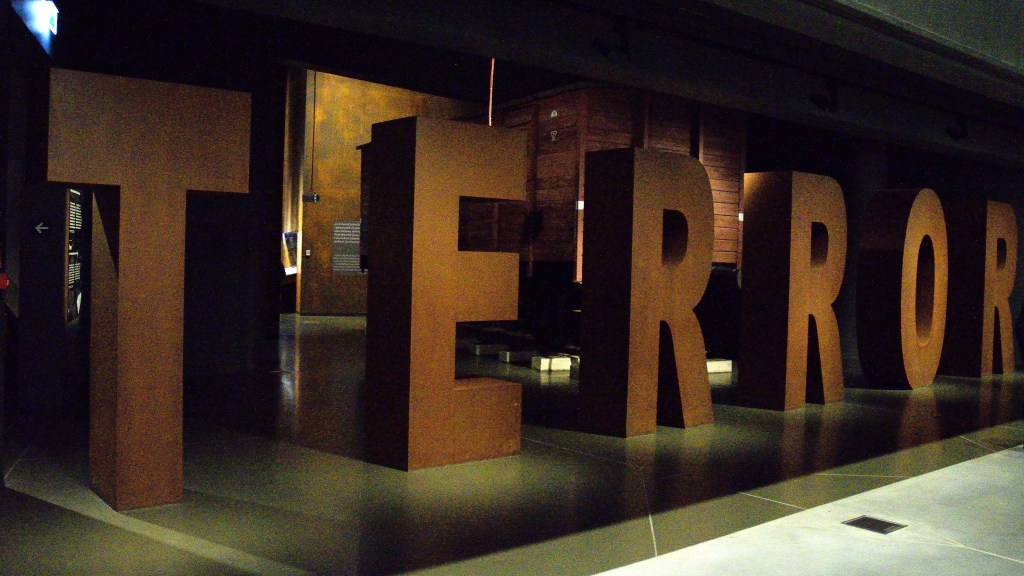

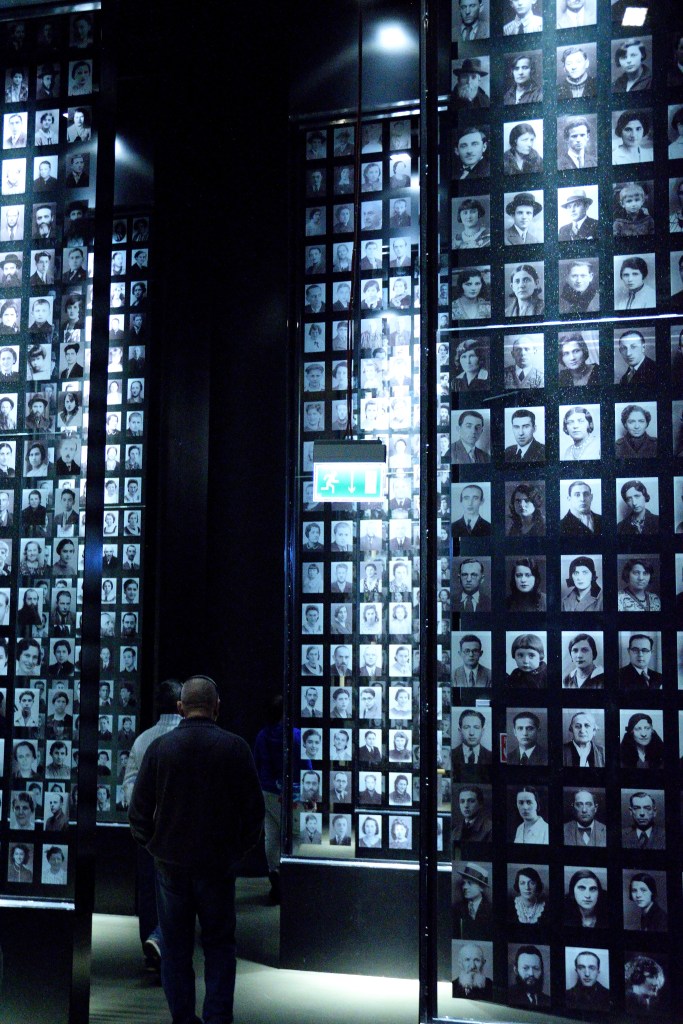


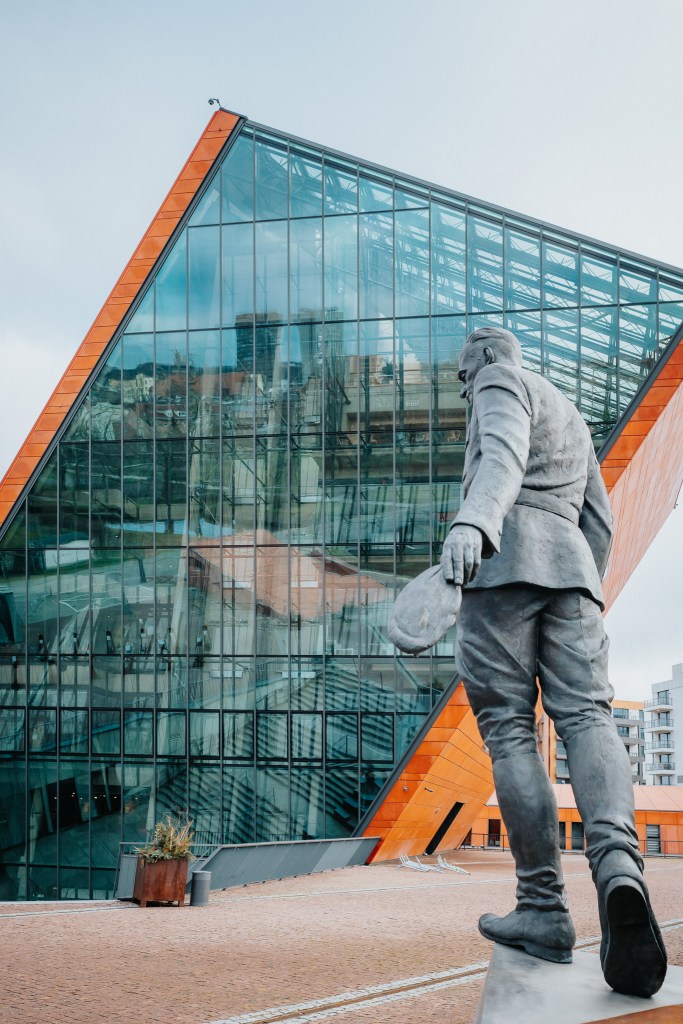
The Museum of the Second World War in Gdansk is another pivotal attraction that profoundly enriches the visitor experience. This museum, unlike any other, delves deep into the harrowing and complex history of the Second World War, with a special focus on Poland’s experience and the broader impact of the war on global history. Opened in 2017, the museum has rapidly become one of the most important and emotive places to visit in Gdansk. Its striking architecture, with a bold design featuring an inclined tower, sets the tone for the immersive and thought-provoking journey within. The museum’s location in Gdansk is symbolically significant as the city, then known as Danzig, was where the first shots of World War II were fired. Visitors should be prepared for an emotional experience; the museum’s realistic depictions and poignant stories are both moving and enlightening. It’s a place that not only commemorates the past but also encourages reflection on the present and future.
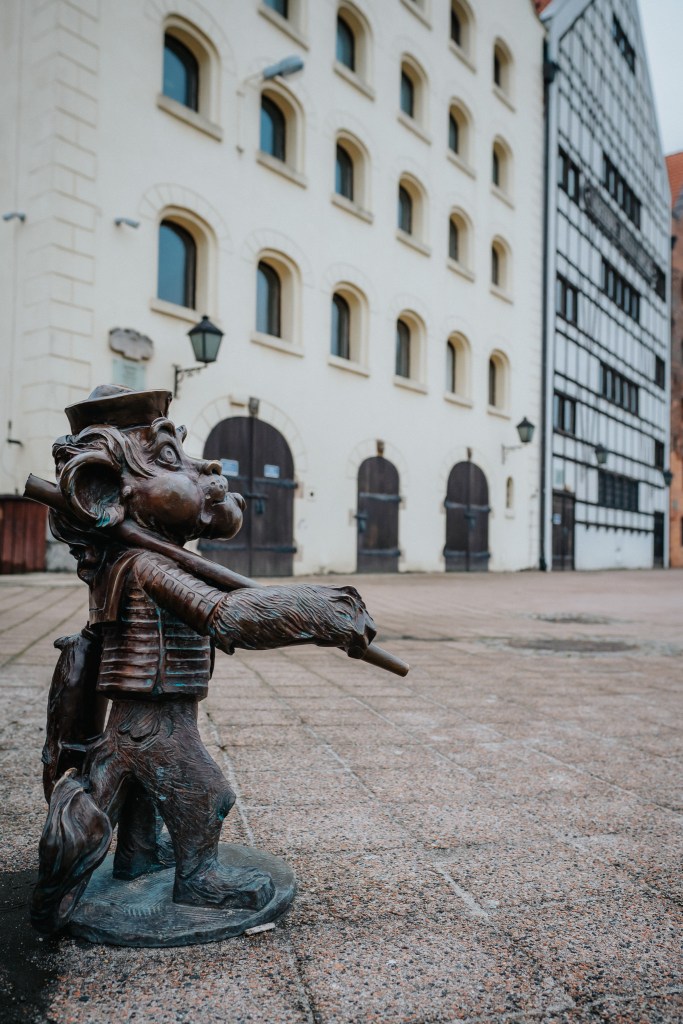
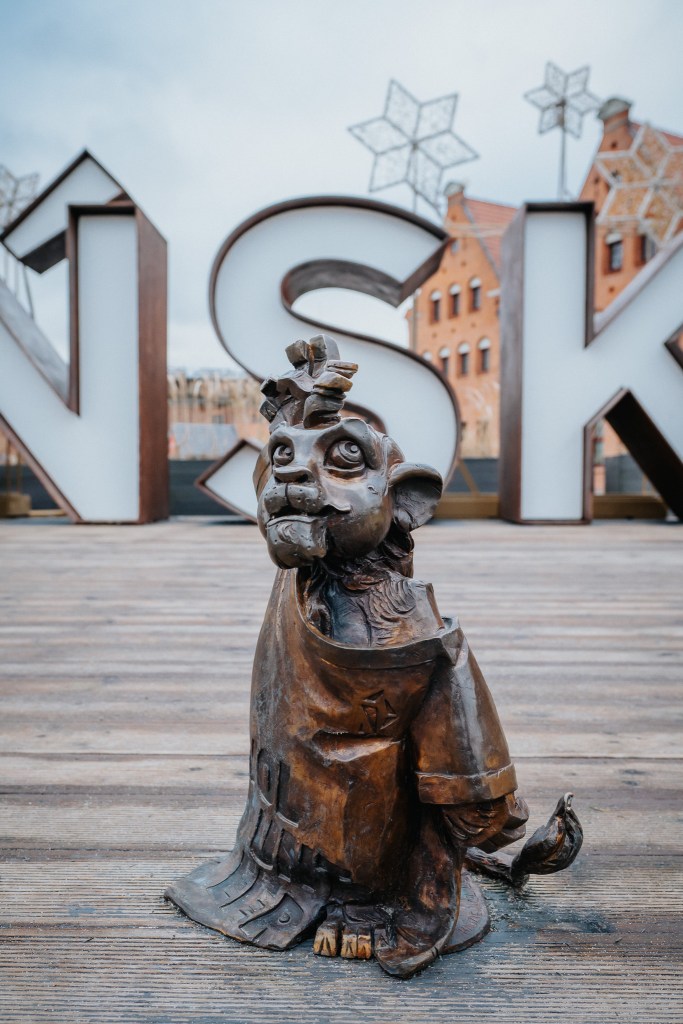
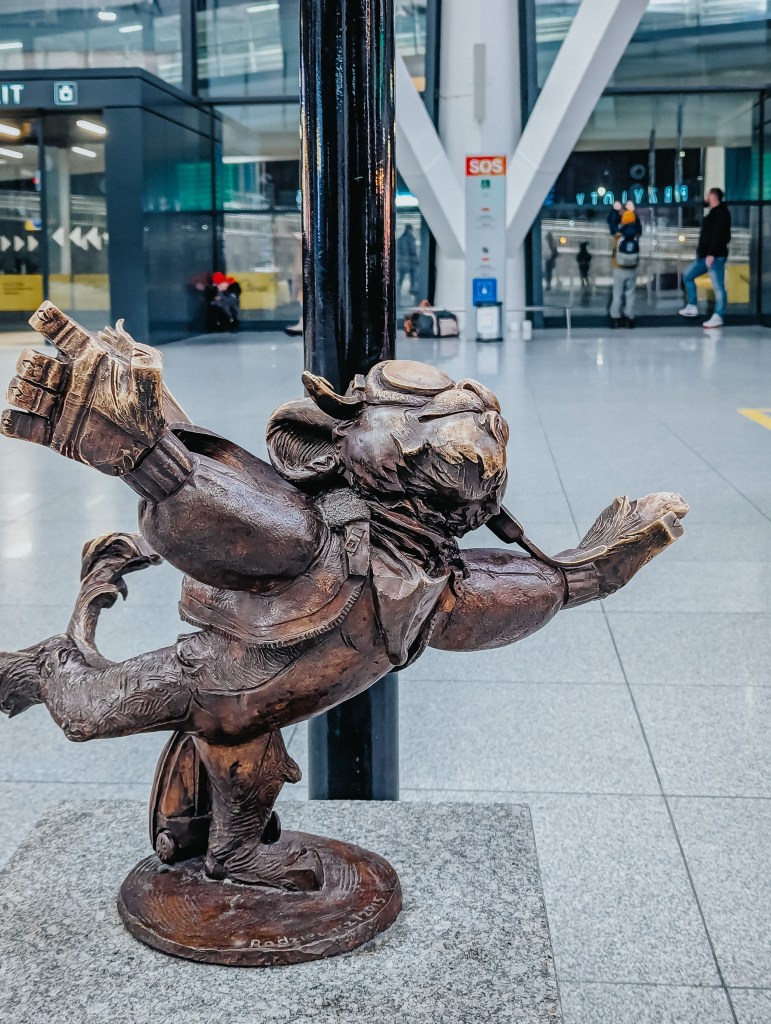
In addition to Gdansk’s rich tapestry of history, architecture, and cultural events, the city offers a unique and engaging tourist adventure that captivates visitors of all ages: the quest to find the mini-statues of lions, known as “Hevelions.” The lion, a potent symbol of Gdansk since medieval times, is omnipresent, its majestic form adorning the city’s architecture and heraldry, a testament to the city’s storied past and its membership in the Hanseatic League. Each lion figurine is crafted to represent historical figures of Gdansk or to highlight significant parts of the city, including the Old City, the airport, and the stadium, among others. So, when in Gdansk, keep your eyes peeled for these majestic lions, and let the hunt begin. It’s an enchanting way to connect with the city’s past and present, adding an extra layer of excitement to your Gdansk adventure.


Our celebration of my dad’s birthday at Swojski Smak, a testament to the delicious, hearty Polish cuisine, was the perfect end to a day filled with discoveries. Participating in the WOSP charity event added a layer of communal spirit to our visit, reminding us of Gdansk’s resilience and warmth.
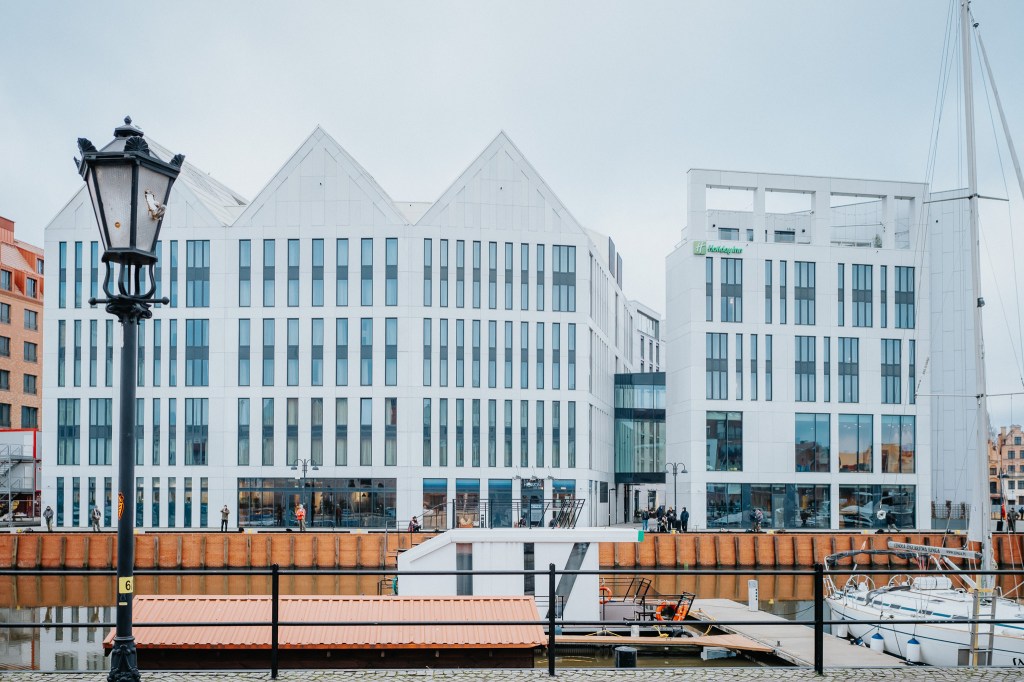
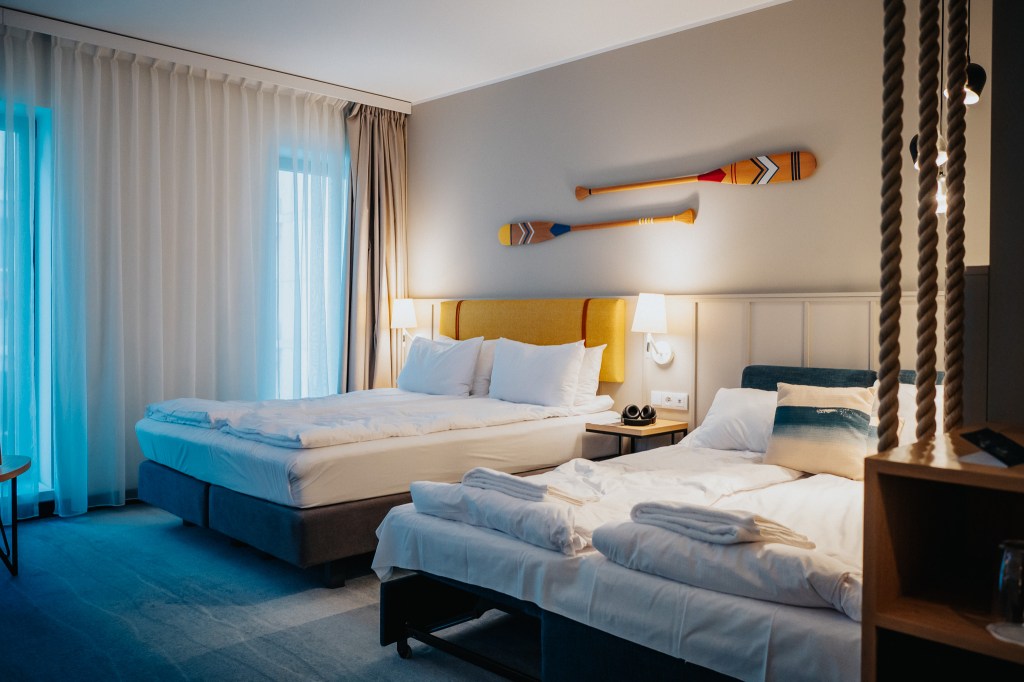
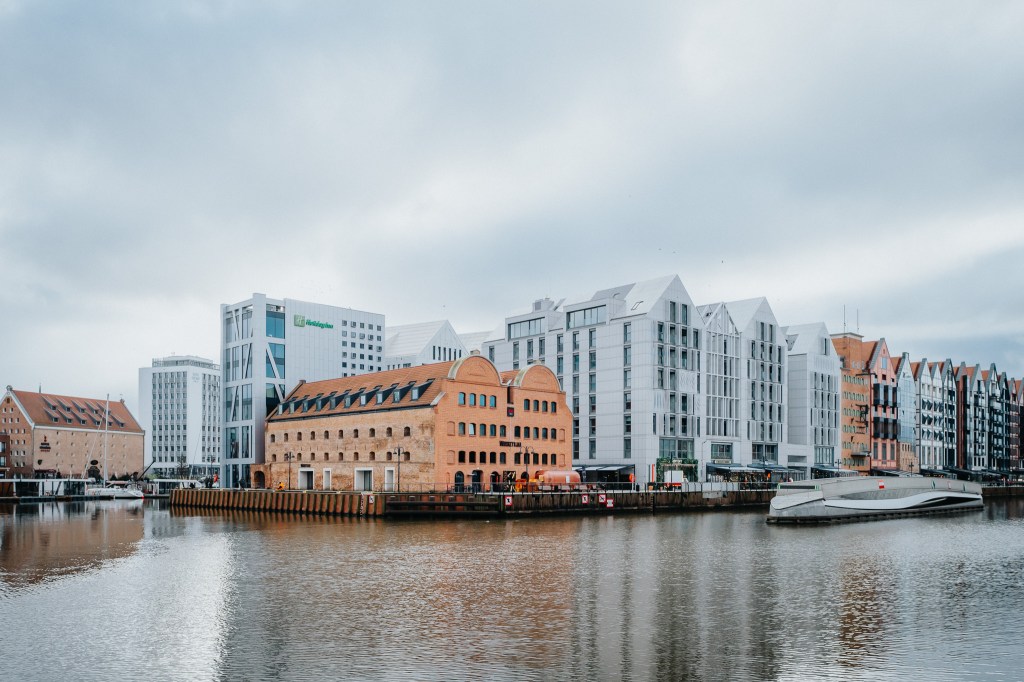
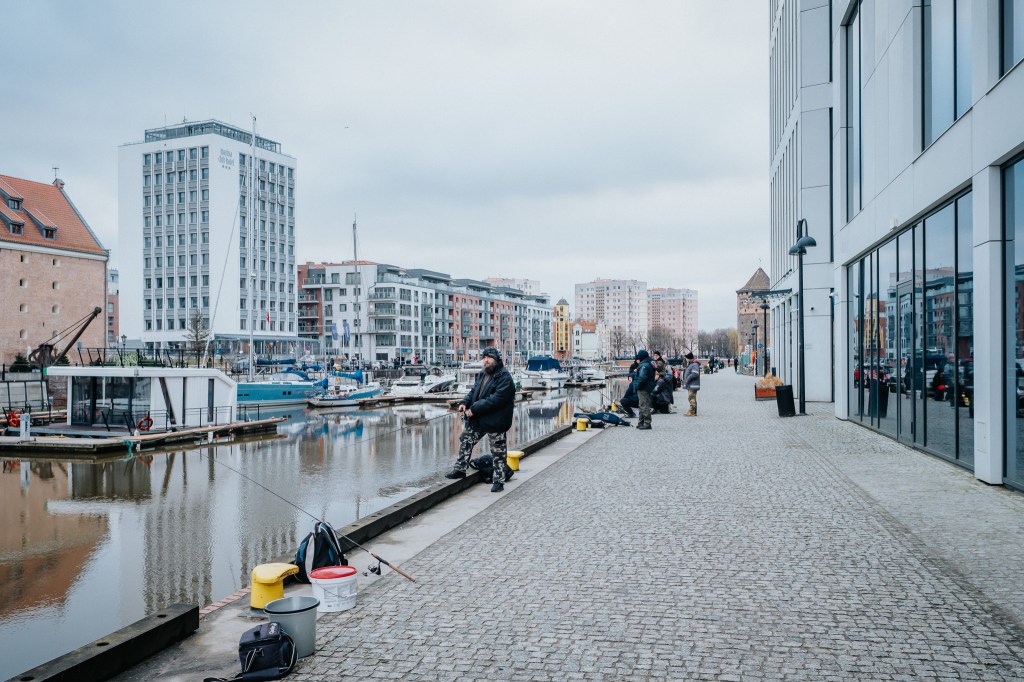

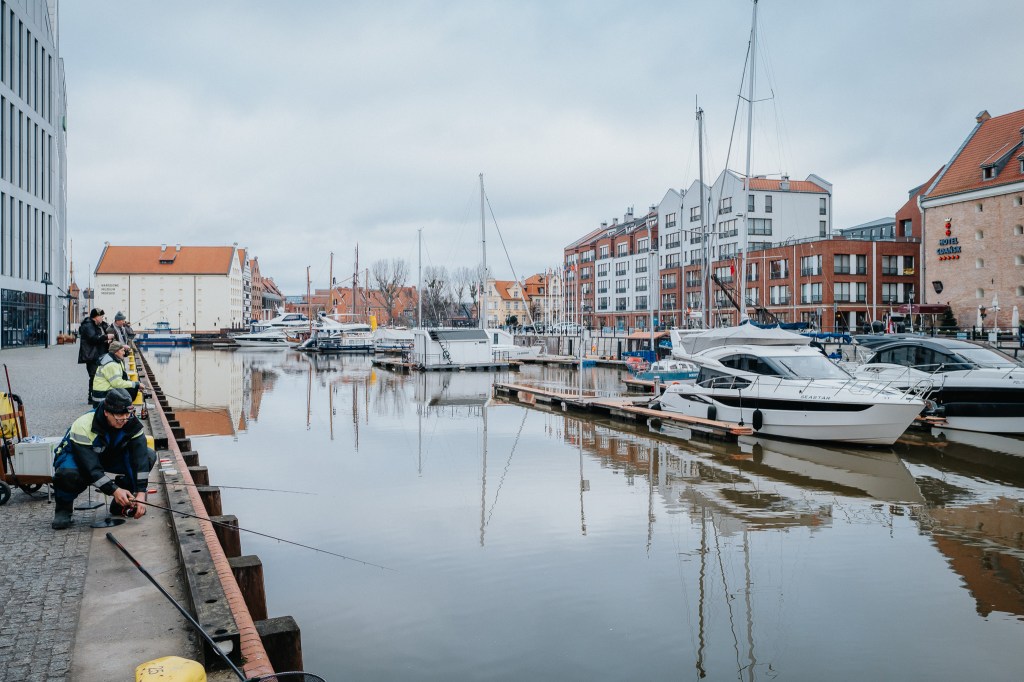
Staying at the Holiday Inn offered us a comfortable base from which to explore more of the city, including the Forum Shopping Center and the serene scenes of locals fishing, a snapshot of daily life in Gdansk. It is a good idea to register with IHG Hotels & Resorts to collect the points for every night stay.
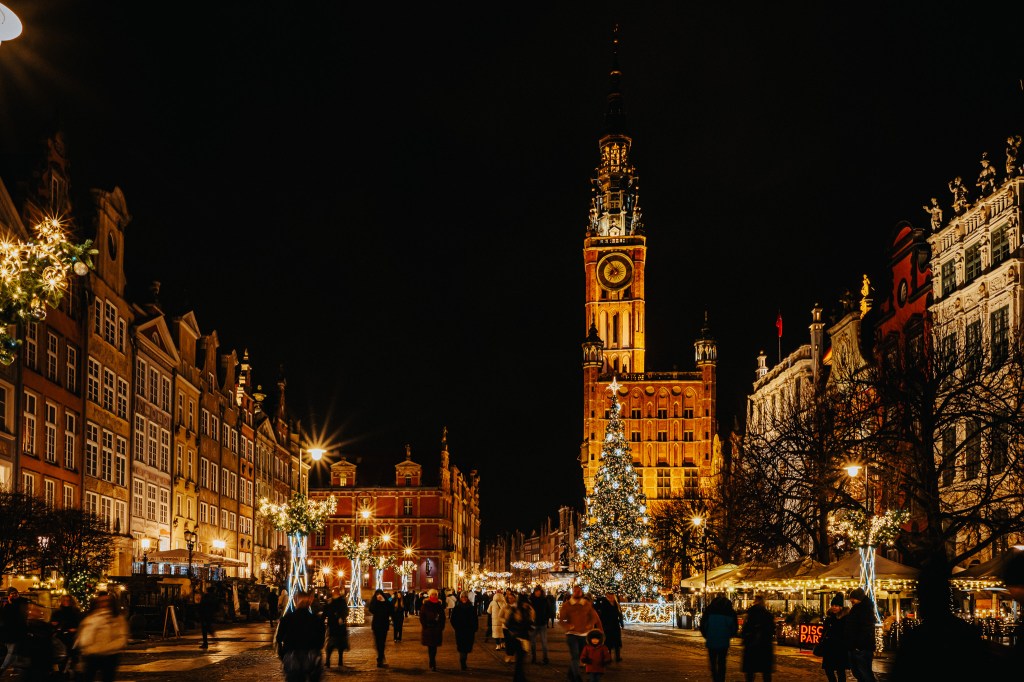
In reflecting on this weekend, I’m reminded of why Gdansk holds a special place in my heart. It’s a city of history, of beauty, and of community. Whether you’re tracing the steps of history, savouring the local cuisine, or simply taking in the vibrant street life, Gdansk offers an experience that’s as enriching as it is heart-warming. This visit wasn’t just about celebrating a milestone birthday; it was a journey through time, a celebration of family, and a rediscovery of my roots.
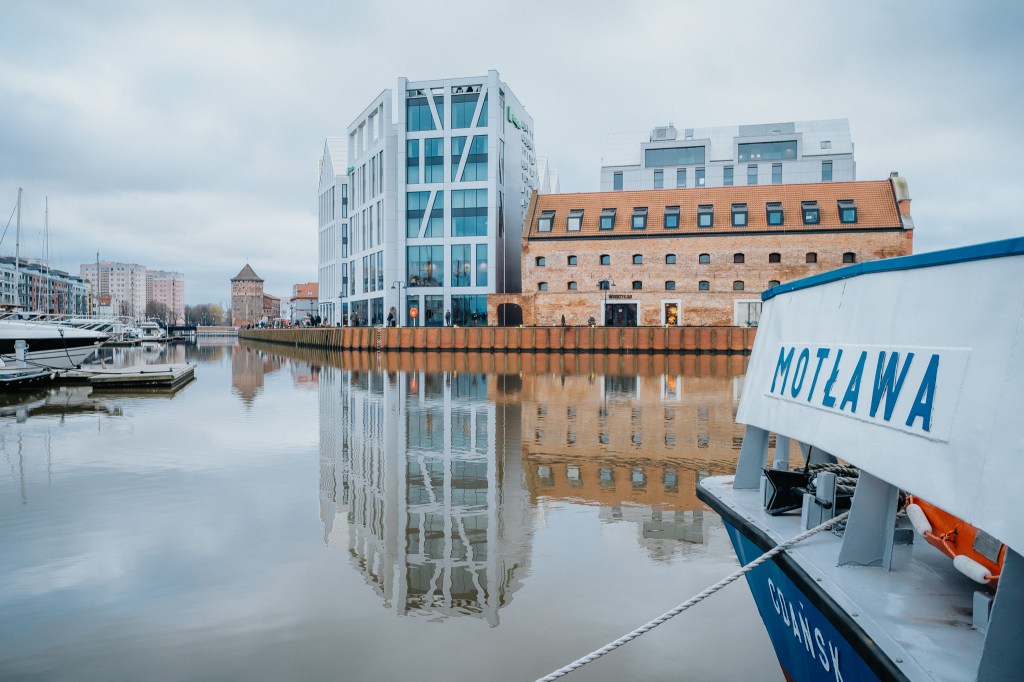
Gdansk, with its amalgamation of historical landmarks, culinary delights, and the warmth of its people, is a city that deserves a spot on everyone’s travel list. It’s a place where every corner tells a story, every street echoes with history, and every visit feels like a homecoming. From the architectural marvels of the Old Town to the serene beauty of the Motlawa River, Gdansk is a city that captivates the heart and stimulates the mind.
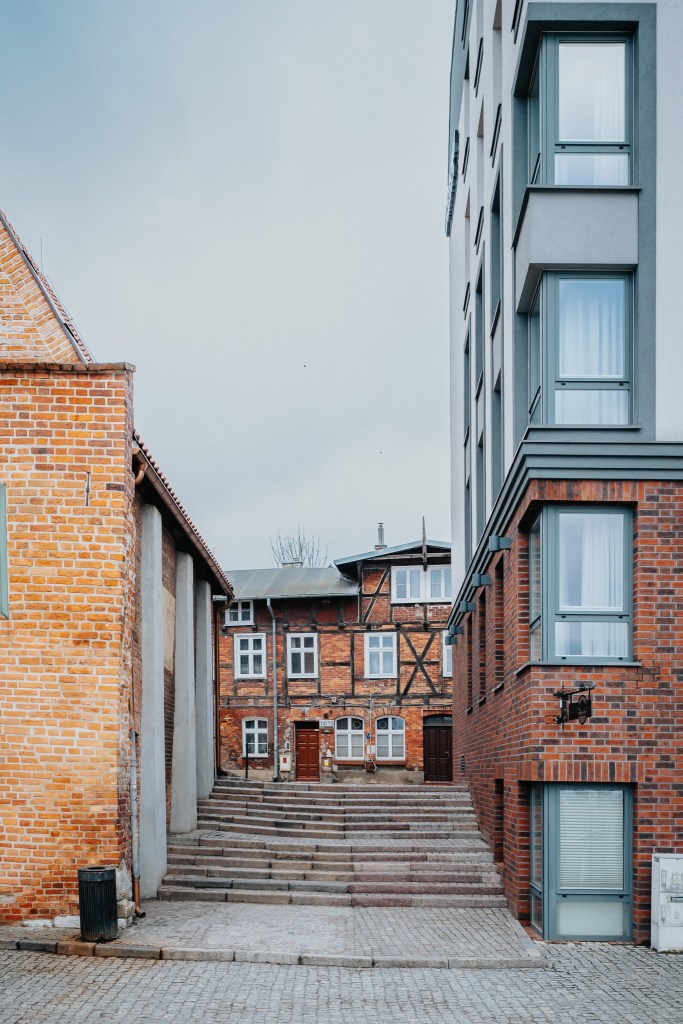
The vibrancy of Gdansk, coupled with the joy of family reunions and the solemnity of remembering those who shaped its history, creates a tapestry of experiences that are both deeply personal and universally appealing. My weekend in Gdansk was a reminder of the city’s resilience, its beauty, and its place in my heart. It’s a city that bridges the past with the present, tradition with modernity, and always, always welcomes you home with open arms.
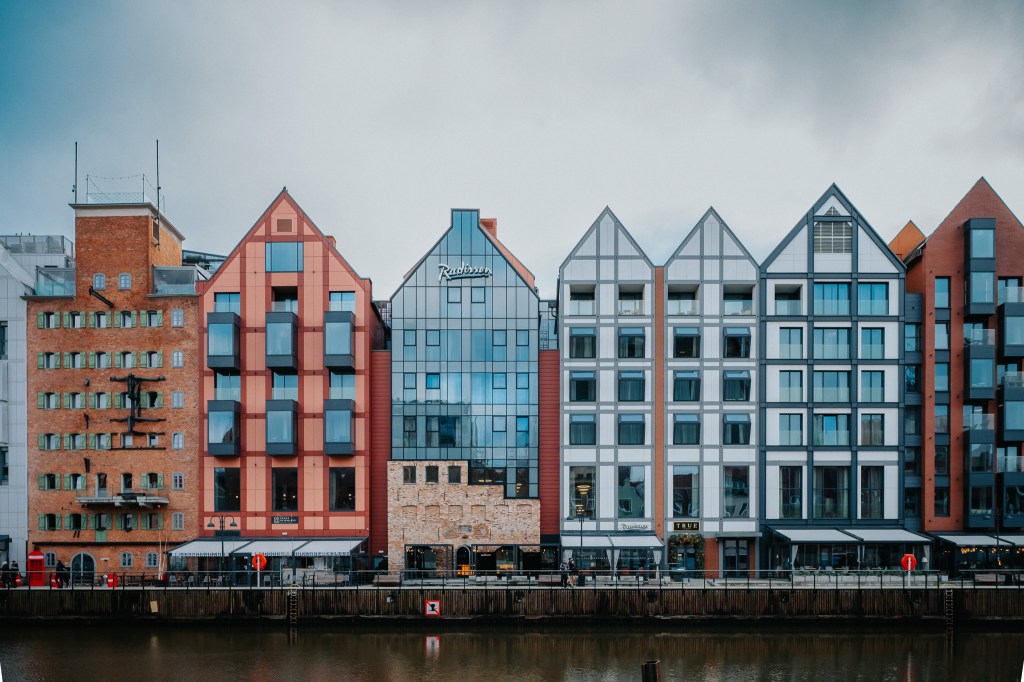
As I boarded the flight back to London, I carried with me not just memories of a wonderful birthday celebration, but a renewed connection to my hometown. Gdansk, with its enduring charm and vibrant spirit, had once again shown me the beauty of returning to one’s roots. It’s a city that continues to inspire, to welcome, and to celebrate life in all its facets. And for that, Gdansk will always be more than just a destination; it will be a part of who I am.
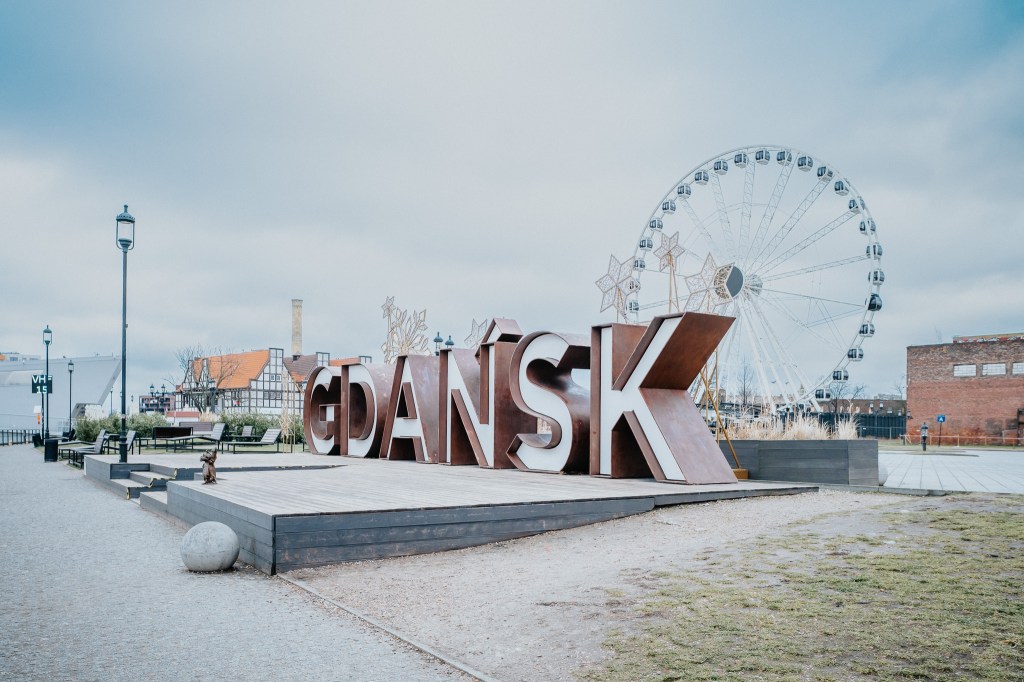
So, to those who’ve never had the pleasure of visiting Gdansk, I say: make the trip. Whether it’s the allure of history, the charm of its streets, or the warmth of its people, Gdansk offers an experience that is truly unforgettable. And who knows? Perhaps you’ll find a piece of home in its cobblestone streets, just as I always do.


Leave a Reply